
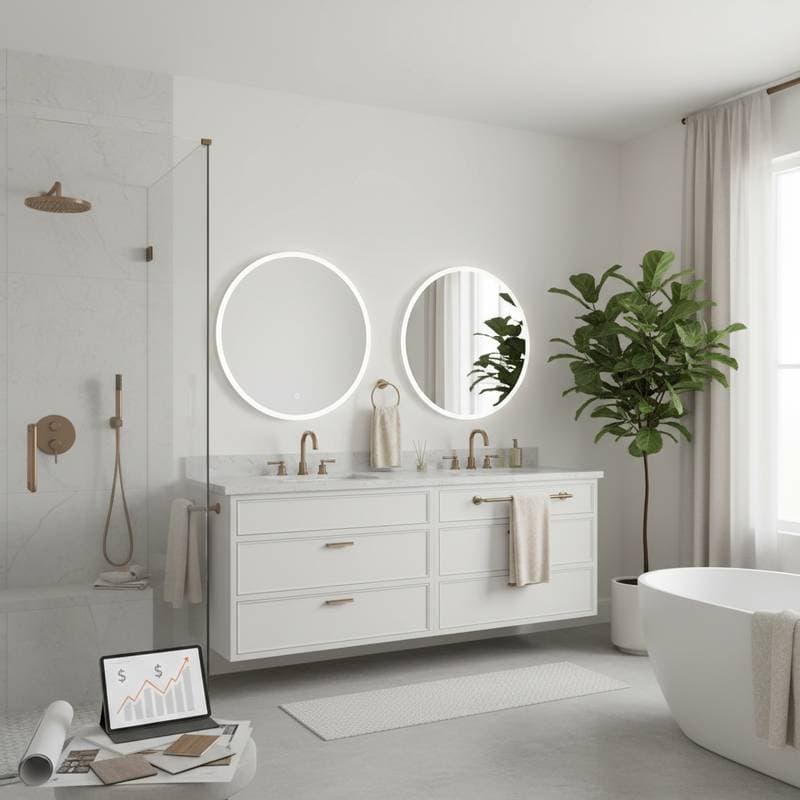
2026 Bathroom Remodel Costs: Realistic Budget Breakdown
Many homeowners enter their bathroom and recognize the need for renewal. Bathroom renovations rank among the most frequent home enhancement initiatives, as they provide enhanced comfort, aesthetic appeal, and substantial investment returns. Before selecting tiles or examining faucet options, establish a practical budget. This knowledge equips you to proceed assuredly, whether pursuing a serene escape or a simple upgrade, and helps evade unforeseen financial challenges.
Essential Cost Ranges to Consider
Bathroom renovation expenses differ significantly based on dimensions, project extent, and material standards. Typical ranges include:
- Basic refresh: $6,000 to $12,000 for compact areas
- Moderate renovation: $13,000 to $28,000 for typical bathrooms
- Premium transformation: $30,000 to $55,000 or more for upscale configurations
For a half-bathroom or powder room, expenses may start at $4,000 by retaining existing plumbing and selecting economical materials. A spacious primary suite featuring bespoke cabinetry, natural stone counters, and a standalone bathtub often exceeds $50,000, including labor and superior fixtures.
Factors Influencing Bathroom Renovation Expenses
Each modification in a bathroom impacts the overall allocation. Identifying primary expenditure areas enables informed decisions on priorities.
1. Labor Expenses (40 to 60 Percent of Total)
Labor constitutes the largest outlay in most cases. These projects demand skilled trades such as plumbers, electricians, tile specialists, and occasionally structural experts. In regions with elevated living costs or homes with dated systems, labor rates approach the upper limit.
2. Materials and Fixtures (25 to 40 Percent)
Selections for faucets, flooring, and other elements substantially affect the sum. Porcelain tiles offer a cost-effective alternative to marble, potentially saving several thousand dollars. Standard vanities reduce expenses compared to custom designs. Achieve equilibrium by investing in focal points, such as a distinctive mirror or accent wall, alongside affordable essentials.
3. Permits and Design Services (5 to 10 Percent)
Projects altering plumbing or electrical setups require official approvals. Engaging a designer incurs fees yet frequently yields savings through error avoidance and unified aesthetics.
Allocating Budgets by Bathroom Category
The scale and purpose of a bathroom determine its renovation price. Consider these categories:
- Powder Room: $4,000 to $8,000
Emphasize surface-level changes like updated flooring, a new sink, and fresh paint. Limited plumbing adjustments maintain affordability. - Guest or Hallway Bathroom: $10,000 to $20,000
Implement balanced enhancements, including tub replacement, modern lighting, and fresh tiling, to revitalize the area economically. - Primary Bathroom: $20,000 to $45,000
Expansive layouts typically incorporate dual vanities, tailored storage, and refined surfaces. Relocating elements or adding features like radiant heating elevates costs.
Effective Strategies to Reduce Costs While Upholding Design
Limited funds do not preclude a thoughtful renovation. Implement these approaches for efficiency.
Maintain the existing layout. Relocating pipes or wiring incurs substantial fees; preserving fixture positions conserves thousands.
Select semi-custom options. Ready-made vanities, standard cabinetry, and laminate surfaces mimic luxury when paired with suitable accents.
Restore rather than replace. Refinishing a bathtub through glazing or repainting cabinets extends usability and refreshes appearance at minimal cost.
Time purchases for promotions. Major retailers and digital platforms frequently offer reductions on fixtures and tiles during peak sales periods. Aligning the project with these opportunities extends resources.
Undertake select DIY tasks. Homeowners often handle wall painting, hardware installation, or lighting swaps. Delegate plumbing and electrical modifications to certified experts to ensure safety and regulatory adherence.
Project Timeline and Preparation Advice
A conventional bathroom renovation spans two to five weeks after initiation, though preparatory phases extend the duration. Delays arise from material procurement, permit processing, and specialist schedules.
To proceed smoothly:
- Complete design and selections prior to demolition.
- Secure materials in advance to circumvent interruptions.
- Allocate an additional 10 to 15 percent for contingencies, such as concealed moisture issues or irregular subfloors.
For homes with one bathroom, arrange temporary facilities like a portable unit or plan accommodations away from the site during peak disruption.
Prioritizing Safety and Expert Guidance
Bathrooms integrate moisture, power sources, and construction features, making safety paramount. Install GFCI-protected outlets adjacent to water areas, provide sufficient airflow, and choose non-slip flooring materials.
Engage qualified professionals for pipe and circuit alterations. Request documentation of licensing, coverage, and prior work samples before agreements. Dependable specialists obtain necessary approvals, comply with codes, and offer guarantees on their services.
Enhancing Long-Term Worth and Returns
A strategic bathroom update extends beyond immediate enjoyment to tangible property appreciation. Industry assessments indicate that moderate renovations recover 50 to 65 percent of expenses upon sale. Even modest changes, such as modernizing lights and hardware, appeal strongly to prospective purchasers.
Incorporate efficient components like water-conserving toilets and energy-saving illumination to lower ongoing operational costs, amplifying benefits post-completion.
Sustaining Your Renovation
Post-renovation, routine upkeep preserves the space's appeal over time.
- Apply sealant to grout and stone yearly to guard against moisture intrusion.
- Employ mild cleaners on surfaces and tiles to avoid damage.
- Inspect and renew caulk around bathing areas as required.
- Maintain exhaust fans free of debris to control humidity.
These practices safeguard the upgrade and sustain its pristine condition well into the future.
Steps to Launch Your Project
Embarking on a bathroom renovation involves organization, yet structured progression fosters assurance. Identify key goals, determine feasible funding, and evaluate local specialists. From modest updates to elaborate designs, this endeavor elevates daily living, property equity, and personal satisfaction.