
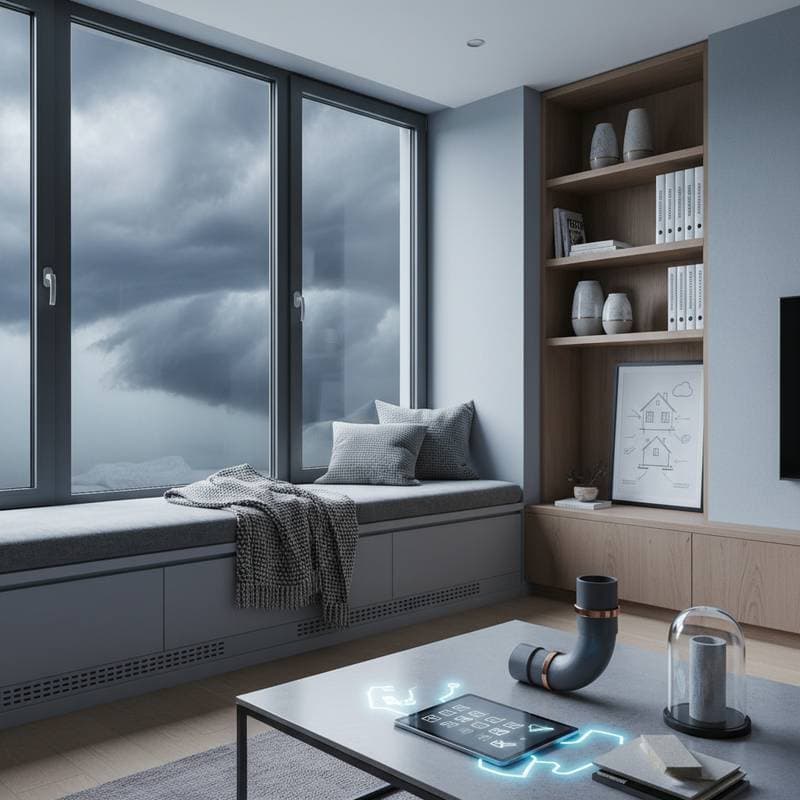
Essential Weatherization Checklist for Home Resilience
Unpredictable storms and abrupt temperature shifts expose vulnerabilities in even the sturdiest homes. Weatherization addresses these issues proactively, safeguarding your property, stabilizing energy costs, and minimizing disruptions during severe conditions. This process extends beyond mere comfort to preserve your investment and promote long-term durability.
The following guide presents a structured checklist to fortify your home against extreme heat, cold, wind, and moisture. These measures suit various budgets, from simple do-it-yourself fixes to comprehensive professional interventions, ensuring preparedness for diverse climates.
Step 1: Inspect and Seal the Building Envelope
The building envelope forms the primary barrier between your interior space and the outdoors, encompassing walls, windows, doors, and roof edges. Identifying and closing minor gaps prevents significant energy loss and moisture intrusion.
Checklist:
- Conduct a thorough visual examination and employ a smoke test to detect drafts near window frames, door edges, and baseboards.
- Seal gaps narrower than a quarter inch using silicone or latex caulk for a durable, flexible barrier.
- For wider openings, insert foam backer rods followed by expanding spray foam to create an airtight seal.
- Attach weatherstripping to doors and windows that permit air infiltration.
- Arrange for a professional blower door test if persistent drafts suggest extensive leakage.
Cost range: DIY sealing materials typically cost $50 to $150. Professional air sealing with testing may range from $400 to $900, scaled to your home's dimensions.
Why it matters: Unsealed leaks contribute to up to 30 percent of heating and cooling inefficiencies. Targeted repairs often recover costs through reduced utility bills in one season.
Step 2: Boost Insulation Throughout the Home
Adequate insulation maintains consistent indoor temperatures and reduces reliance on heating and cooling systems. Focus on attics, walls, floors, and hard-to-reach areas to maximize effectiveness.
Checklist:
- Measure current insulation levels in the attic and add blown-in cellulose or fiberglass if below recommended depths for your climate zone.
- Install rigid foam boards or batts in exterior walls during any renovation, ensuring full coverage without compression.
- Insulate floors over unheated spaces, such as crawl spaces, using foam board or spray foam for comprehensive protection.
- Seal gaps around recessed lights and wiring penetrations to prevent heat escape.
- Consult local building codes for R-value requirements tailored to regional weather patterns.
Cost range: DIY attic insulation kits cost $200 to $500 for average homes. Professional whole-home upgrades range from $1,500 to $3,000, often qualifying for energy rebates.
Why it matters: Proper insulation can cut energy use by 15 to 20 percent, enhancing comfort while lowering environmental impact and operational expenses.
Step 3: Reinforce Windows and Doors
Windows and doors serve as critical access points that demand both airtight seals and structural integrity. Upgrades here yield immediate improvements in security and efficiency.
Checklist:
- Repair or replace cracked panes and deteriorated seals in double-pane windows to restore insulation properties.
- Install exterior storm windows or interior storm panels for added wind resistance and thermal performance.
- Apply clear insulating window film or hang thermal curtains to minimize heat transfer during extreme temperatures.
- Inspect and replace door thresholds, sweeps, and hinges that show wear or allow air passage.
- For high-wind areas, secure windows with impact-resistant film or shutters.
If existing units feature single-pane glass, transitioning to double-pane options with low-emissivity coatings reduces energy consumption by up to 25 percent.
Cost range: Energy-efficient window installations average $350 to $750 per unit. Door enhancements or replacements fall between $500 and $1,200.
Why it matters: Fortified openings prevent water damage and drafts, contributing to a more secure and efficient living environment.
Step 4: Safeguard the Roof and Exterior Surfaces
The roof endures direct exposure to weather elements, making it essential to inspect and reinforce against wind uplift, debris, and leaks. Exterior siding and flashing also require attention to maintain the overall envelope.
Checklist:
- Examine shingles or tiles for missing pieces, curling edges, or granule loss, and replace as needed.
- Secure loose flashing around chimneys, vents, and skylights with roofing cement.
- Trim overhanging branches that could damage the structure during storms.
- Apply sealant to seams in metal roofs or repair cracks in flat roofing materials.
- Consider professional roof coatings for enhanced UV and water resistance in sunny climates.
Cost range: Basic roof repairs cost $300 to $800. Full re-roofing projects range from $5,000 to $12,000, depending on materials and roof size.
Why it matters: A resilient roof averts costly interior damage from leaks and extends the lifespan of your home's uppermost layer.
Step 5: Protect Plumbing and HVAC Systems
Extreme temperatures challenge plumbing and heating, ventilation, and air conditioning systems, potentially leading to bursts or breakdowns. Routine safeguards mitigate these risks effectively.
**Checklist:**n- Wrap exposed pipes in basements, garages, and attics with foam sleeves or heat tape to guard against freezing.
- Equip outdoor faucets with frost-proof models or isolate exterior lines during winter inactivity.
- Perform annual HVAC servicing to replace filters, calibrate thermostats, and verify refrigerant integrity.
- Inspect and seal duct joints using foil tape or mastic sealant to curb conditioned air loss.
- Install carbon monoxide detectors near fuel-burning appliances for added safety.
Cost range: Insulation supplies for pipes total under $100 for typical setups. HVAC maintenance sessions cost $150 to $300.
Professional criteria: Engage certified experts for HVAC and plumbing tasks to comply with safety standards and preserve warranties.
Why it matters: Protected systems operate reliably, avoiding emergency repairs and ensuring consistent indoor air quality.
Step 6: Enhance Electrical and Appliance Resilience
Power fluctuations from storms can compromise electrical systems and appliances. Grounding and surge protection form key defenses in this area.
Checklist:
- Install whole-home surge protectors at the electrical panel to shield against voltage spikes.
- Secure outdoor electrical boxes and outlets with weatherproof covers.
- Test ground fault circuit interrupters monthly and replace faulty units.
- Elevate appliances in flood-prone areas and connect to backup power sources.
- Update outdated wiring during renovations to meet current codes.
Cost range: Surge protectors cost $200 to $500 installed. Electrical panel upgrades range from $1,000 to $2,500.
Why it matters: Reliable electrical infrastructure prevents fires and equipment failures, supporting seamless daily operations.
Step 7: Optimize Foundation and Drainage
Effective drainage directs water away from structural foundations, averting erosion and flooding. This foundational step underpins overall home stability.
Checklist:
- Verify soil grading slopes at least six inches over the first ten feet from the foundation wall.
- Extend gutter downspouts a minimum of five feet from the house, directing flow to safe outlets.
- Test sump pumps regularly and ensure battery backups function properly.
- Seal minor cracks in concrete foundations with hydraulic cement or epoxy injectors.
- Install French drains if persistent water accumulation occurs near the base.
Cost range: Grading corrections average $300 to $800. Comprehensive drainage systems may exceed $2,000, yet they forestall repairs costing tens of thousands.
Why it matters: Sound drainage preserves structural integrity, reducing risks of mold, cracks, and subsidence over time.
Sustain Weatherization Benefits Long-Term
Weatherization demands ongoing vigilance to retain its advantages. Review the checklist seasonally, particularly following storms or structural changes. Document all modifications and service records to leverage potential insurance incentives for fortified features. This disciplined approach ensures your home remains a reliable sanctuary amid evolving weather challenges.