
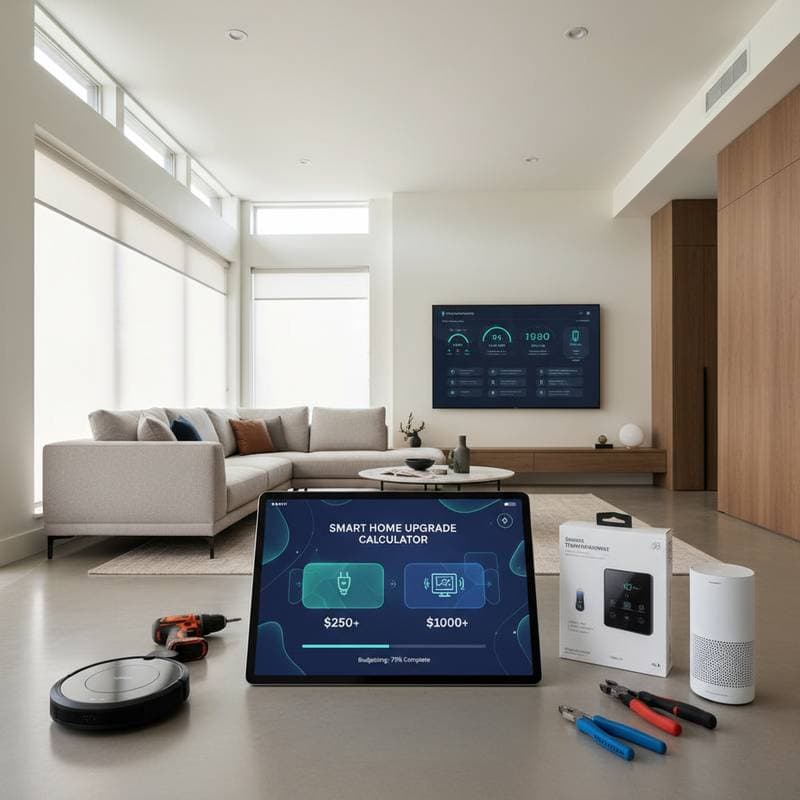
Introduction to Smart Home Upgrades in 2026
Smart home technology continues to evolve, offering homeowners unprecedented control over security, energy use, and daily routines. In 2026, advancements in connectivity and affordability make it possible to integrate these features without requiring a complete overhaul. This guide examines cost-effective entry points, higher-end options, and strategies to maximize returns on investment while minimizing expenses.
Whether you seek basic enhancements for peace of mind or a fully automated residence, understanding pricing tiers and implementation steps ensures informed decisions. Costs vary based on device types, installation complexity, and ecosystem compatibility, but opportunities for savings abound through smart planning.
Entry-Level Investments: Building a Foundation
For beginners, smart home upgrades focus on essential security and control features that deliver immediate benefits. These options require minimal infrastructure changes and integrate easily with existing setups. Investments in this category range from modest amounts, allowing gradual expansion.
Consider starting with core components that enhance entry points and central management:
- Smart locks and doorbell cameras: Prices fall between $250 and $500 for robust entry security. These devices provide remote access monitoring, motion detection, and integration with mobile alerts, reducing the need for physical keys and deterring unauthorized entry.
- Central hub or control panel: Expect costs of $100 to $300. This serves as the brain of your system, connecting devices via Wi-Fi or Zigbee protocols for unified operation.
Such investments create a cohesive connected network without extensive renovations. Automation features, such as predefined routines for evening shutdowns or departure sequences, coordinate multiple elements simultaneously, streamlining daily life and promoting energy conservation.
Advanced Tier: Comprehensive Home Automation
Homeowners desiring an integrated, effortless experience across all areas should anticipate expenditures of $10,000 to $25,000 or more. This level demands professional consultation, custom wiring, and precise setup to ensure seamless functionality. Key elements include:
- Built-in control panels and wall-mounted displays: These provide intuitive interfaces for managing systems from any room, often featuring touchscreens for voice or gesture commands.
- Integrated lighting and climate control: Automated adjustments based on occupancy, time, or weather optimize comfort while lowering energy consumption by up to 20 percent.
- Security monitoring with professional support: Round-the-clock surveillance links to emergency services, offering rapid response capabilities.
- Custom programming for rooms or activities: Tailored scenarios, like movie mode dimming lights and closing blinds, enhance personalization.
Although the initial outlay proves substantial, this configuration yields superior usability and boosts property marketability. During new construction or major renovations, embedding these systems early offsets future labor expenses and simplifies scalability.
Strategies for Cost Efficiency
Implementing smart home features need not strain finances when approached methodically. Several proven tactics enable sustainable progress without sacrificing quality.
- Bundle purchases: Manufacturers frequently package starter kits with complementary devices at discounted rates, simplifying initial setups.
- Select energy-efficient models: Prioritize ENERGY STAR-rated products, which qualify for incentives and yield ongoing reductions in electricity costs through intelligent power management.
- Implement phased upgrades: Introduce one or two items quarterly, allowing time to assess performance and adjust plans accordingly.
- Leverage manufacturer rebates: Utility providers often subsidize purchases of thermostats and lighting solutions, potentially covering 10 to 30 percent of expenses.
- Commit to compatible ecosystems: Devices from unified platforms, such as those supporting Matter standards, avoid interoperability challenges and eliminate the need for premature replacements.
This incremental method fosters consistent advancement toward comprehensive automation, distributing financial impact over time and enabling informed refinements.
Pitfalls to Sidestep in Implementation
Even seasoned users encounter hurdles in smart home projects. Awareness of frequent errors equips you to navigate challenges effectively.
- Overlooking compatibility: Assembling products from disparate brands without verification leads to synchronization failures and diminished performance.
- Bypassing network enhancements: Modern devices demand reliable broadband; an obsolete router results in delays or disconnections, undermining reliability.
- Excessive automation layers: An overload of rules and sequences complicates navigation; commence with essential functions to build familiarity.
- Compromising on security protocols: Retaining factory settings exposes vulnerabilities; promptly update passwords and activate multi-step verification to fortify defenses.
Thorough preparation mitigates these issues, ensuring a reliable and user-friendly outcome from the outset.
Optimal Timing for Installations
Aligning upgrades with environmental and market conditions optimizes both safety and savings. Strategic scheduling enhances effectiveness and reduces disruptions.
For energy-focused additions like smart thermostats and usage trackers, complete installations prior to peak seasonal demands, such as summer heat or winter cold, to capture immediate efficiency gains. Exterior elements, including cameras and pathway illuminators, suit temperate periods when accessibility improves and weather-related risks decrease. Versatile indoor options, such as outlets and audio systems, accommodate any schedule, particularly during promotional periods like Black Friday or back-to-school sales, where reductions can reach 40 percent.
Coordinating efforts with these cycles not only preserves budgets but also accelerates the realization of benefits, from lower bills to heightened security.
Essential Recommendations from Experts
Professional insights streamline the adoption process and prevent common oversights. Adopt these practices for optimal results.
- Introduce devices sequentially: Evaluate each addition individually to master controls and identify any integration hurdles early.
- Assign descriptive labels: In management applications, designate items clearly, such as "Kitchen Overhead Light" rather than generic identifiers, for intuitive oversight.
- Maintain firmware currency: Routine updates address vulnerabilities and introduce enhancements, sustaining peak operation.
- Incorporate manual overrides: Retain physical switches for vital functions like illumination or access, providing resilience against network interruptions.
- Record configuration details: Capture images and specifications of placements and models to facilitate expansions or repairs.
These routines cultivate proficiency, transforming potential complexities into straightforward management.
Sustaining Performance Over Time
A smart home thrives on consistent upkeep, preserving initial investments and adapting to emerging needs. Dedicate time monthly to routine inspections.
Examine power sources for low-charge indicators, remove dust from detection components, and refine programmed behaviors to align with evolving habits. As innovations emerge, selectively upgrade outdated units to capitalize on superior efficiency, expanded compatibility, and refined user interfaces. This proactive stance not only extends device longevity but also amplifies overall system intelligence.
Realizing Enduring Benefits
By selecting upgrades that match your priorities and following disciplined implementation, a smart home delivers sustained advantages in convenience, security, and fiscal prudence. From modest beginnings to sophisticated networks, each step contributes to a more responsive living environment. Embrace this technology thoughtfully to enjoy a residence that anticipates your needs, conserves resources, and appreciates in utility for years ahead.