
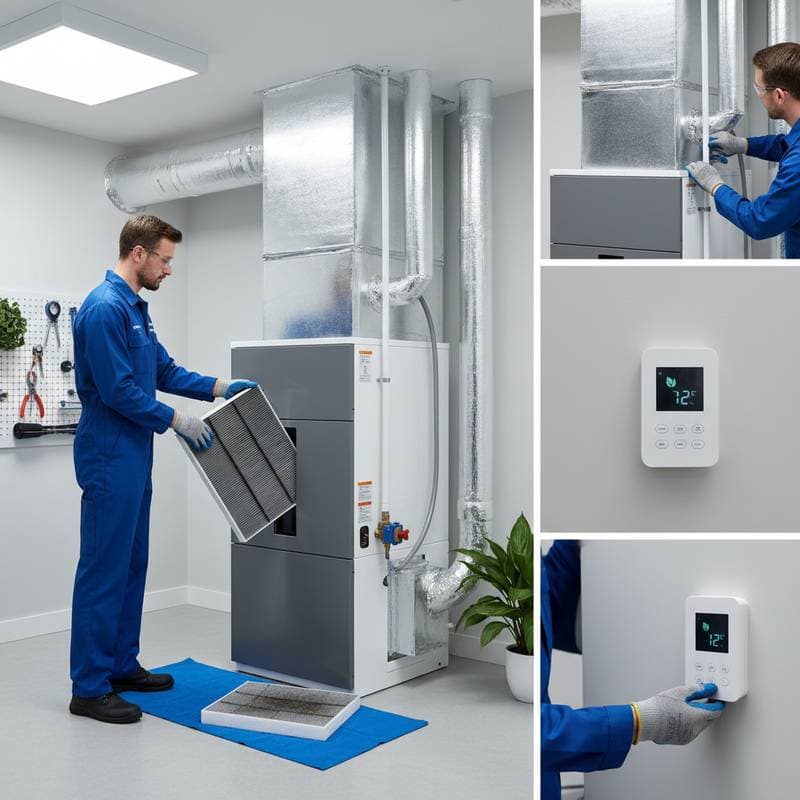
Spring Refresh: Boost HVAC Efficiency and Air Quality
The first warm breeze through an open window signals more than a change in season. It marks the moment when homeowners realize their home's air system will work harder once again. Dust may swirl in a beam of sunlight, or a faint musty scent might linger after months of closed windows. These signs serve as an ideal cue to provide the HVAC system and indoor air quality with the same attention given to a garden or patio furniture.
Spring offers the perfect opportunity to restore balance. A clean, efficient HVAC system saves money and ensures every breath inside the home feels fresher. Through a few targeted steps, homeowners can prepare the system for months of comfort while enhancing the health and energy performance of their living space.
Creating Your Spring HVAC Checklist
A comprehensive seasonal tune-up addresses both efficiency and air quality. Begin with these essential steps to maintain optimal performance.
1. Replace or Upgrade Air Filters
Dirty filters restrict airflow and trap pollutants. Homeowners should replace disposable filters every one to three months, or wash reusable ones with mild soap and water. For households with allergies, select a filter with a higher MERV rating to capture finer particles such as pollen and smoke. High-efficiency pleated models typically cost between fifteen and forty dollars.
2. Clean Supply and Return Vents
Dust and pet hair build up around vent covers, which reduces circulation. Use a vacuum with a brush attachment to remove debris, followed by a wipe with a damp microfiber cloth. Black streaks or a burnt smell may indicate issues like poor insulation or duct leaks, requiring professional inspection.
3. Inspect Ductwork
Ducts can loosen or develop gaps over time, leading to leaks in conditioned air. Examine visible sections with a flashlight, particularly in attics or crawl spaces. Seal minor leaks using mastic sealant or foil-backed tape; avoid standard duct tape, which degrades under heat. Uneven airflow across rooms warrants a duct pressure test by a certified technician.
4. Clean the Outdoor Unit
The outdoor condenser accumulates leaves, dirt, and debris. Disconnect power at the box, then rinse the coil fins gently with a hose on a low setting. Maintain at least two feet of clearance around the unit for ventilation. Such cleaning can enhance system efficiency by approximately ten percent.
5. Check Thermostat Settings
Spring temperatures fluctuate widely. Program the thermostat for energy-saving adjustments during sleep or absence from home. Smart thermostats, priced between one hundred and two hundred fifty dollars, learn usage patterns and allow remote control, potentially reducing annual heating and cooling costs by up to ten percent.
When to Call a Professional
Many maintenance tasks suit do-it-yourself efforts, yet certain situations demand a trained technician. Schedule professional service for these indicators:
- Uneven cooling or heating in different rooms
- Unusual noises, such as rattles or vibrations from the unit
- Persistent odors despite filter replacements
- Rising energy bills with unchanged usage patterns
A professional inspection, costing between one hundred and two hundred dollars, covers refrigerant levels, coil cleaning, and airflow evaluation. This investment helps prevent costly breakdowns later in the season.
Safety and Environmental Considerations
Disconnect power before working on HVAC components. Refrain from using chemical cleaners on coils or vents, as residues may circulate through the air system. Opt for biodegradable or vinegar-based solutions to minimize environmental impact. Dispose of old filters and electronic parts responsibly to reduce landfill contributions.
For systems with older refrigerants, consult a technician about upgrades to eco-friendly options. Newer refrigerants provide greater efficiency and lower atmospheric harm, yielding long-term ecological and financial advantages.
Building on Your Skills
After completing the spring HVAC refresh, sustain the effort. Record filter replacement dates on a household calendar and inspect outdoor units monthly for debris. Integrate smart monitoring tools to track energy use and alert for upcoming maintenance.
Treat HVAC care as an ongoing practice rather than a single task. This approach fosters familiarity with system behavior across conditions. Such awareness enables early detection of minor issues, avoiding escalation into expensive repairs.
Enjoying Sustained Comfort and Efficiency
A well-maintained HVAC system delivers consistent comfort and fresher air throughout the year. Homeowners who follow these steps experience lower energy bills, reduced allergens, and fewer unexpected issues. Invest time in spring preparation to ensure reliable performance and a healthier home environment for seasons to come.