
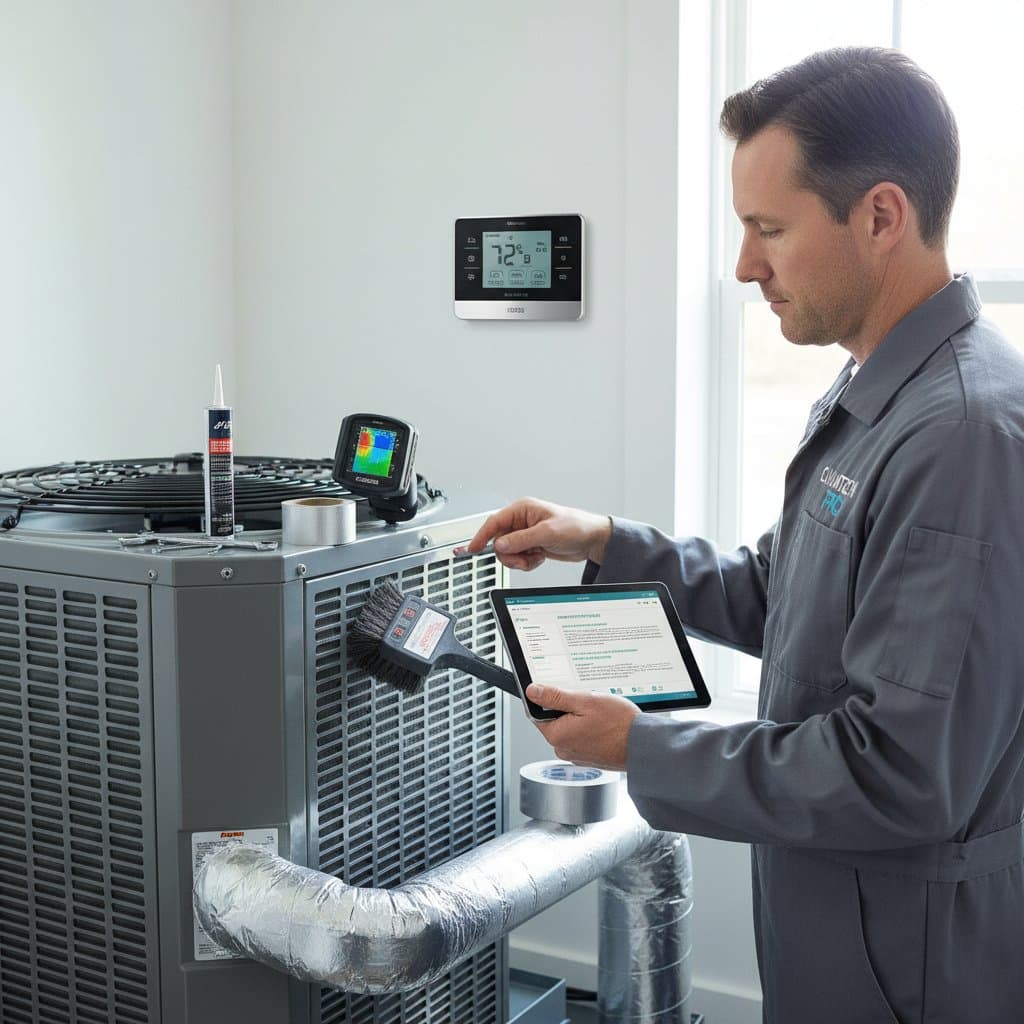
Prepare Your HVAC System for Spring and Lower Energy Costs
As warmer weather approaches, preparing your heating, ventilation, and air conditioning system ensures optimal performance and reduces energy consumption. This guide outlines eight practical steps to tune your HVAC setup, seal inefficiencies, and implement energy-saving habits. Follow these actions to maintain comfort while minimizing utility expenses throughout the season.
Step 1: Replace or Clean Air Filters
Air filters trap dust and debris, but dirty ones restrict airflow and force your system to work harder. Inspect filters monthly and replace them every one to three months, depending on usage and filter type. Clean reusable filters by vacuuming or washing according to manufacturer instructions.
Cost and Time: Filters cost $5 to $20 each; the task takes 10 to 15 minutes.
Step 2: Clear Debris Around the Outdoor Unit
Leaves, dirt, and vegetation can block your condenser unit, reducing efficiency and risking overheating. Trim bushes at least two feet away from the unit and remove any accumulated debris with a hose or soft brush. Ensure the area remains clear to allow proper airflow.
Cost and Time: No cost beyond basic tools; 20 to 30 minutes of effort.
Step 3: Inspect and Calibrate Your Thermostat
A malfunctioning thermostat leads to uneven temperatures and higher energy use. Test settings by adjusting to different levels and verifying system response. Consider upgrading to a programmable model that adjusts temperatures automatically when you are away.
Cost and Time: Programmable thermostats range from $30 to $150; calibration takes 15 minutes, installation up to an hour.
Step 4: Seal Ductwork Leaks
Leaky ducts waste up to 30 percent of conditioned air, driving up bills. Locate accessible joints in attics or basements and apply mastic sealant or metal tape to close gaps. For hard-to-reach areas, consult a professional to avoid compromising system integrity.
Cost and Time: Sealant materials cost $10 to $25; expect 30 to 60 minutes for visible sections.
Step 5: Clean Vents and Registers
Dust buildup in vents reduces airflow and strains the blower motor. Remove covers, vacuum interiors, and wipe surfaces with a damp cloth. Reattach securely to prevent rattling or further dust entry.
Cost and Time: Supplies like a vacuum and cloth cost under $10; 30 to 45 minutes per room.
Step 6: Schedule a Professional Tune-Up
Annual inspections by certified technicians identify issues like refrigerant leaks or worn components before they escalate. Request checks on coils, electrical connections, and overall system balance. This service extends equipment life and improves efficiency ratings.
Cost and Time: Professional fees average $75 to $200; the visit lasts one to two hours.
Step 7: Enhance Attic Insulation
Inadequate insulation allows cool air to escape in summer, overworking your AC. Measure current levels and add blown-in or batt insulation if below recommended R-values for your climate zone, typically R-30 to R-49. Focus on sealing gaps around wiring and pipes first.
Cost and Time: DIY insulation kits cost $50 to $100; installation requires a half-day.
Step 8: Perform a Mini Home Energy Audit
Spot inefficiencies through a systematic home inspection to complement HVAC efforts.
Checklist:
- Unplug unused electronics to eliminate phantom power consumption.
- Swap incandescent bulbs for LEDs, which consume approximately 75 percent less energy.
- Verify ceiling fans rotate counterclockwise during warm months to circulate air downward.
- Examine weatherstripping on garage doors and entry points for wear and replace as needed.
Estimated Cost: About $50 for an energy meter and LED bulbs.
Time Commitment: Dedicate one afternoon for immediate improvements.
Sustain Efficiency Through the Season
Completing these steps establishes a foundation for reliable performance and cost savings. Monitor monthly utility statements for trends and address anomalies promptly to prevent larger repairs. Consistent maintenance translates to stable indoor conditions, reduced strain on your system, and appreciable financial benefits over time.