
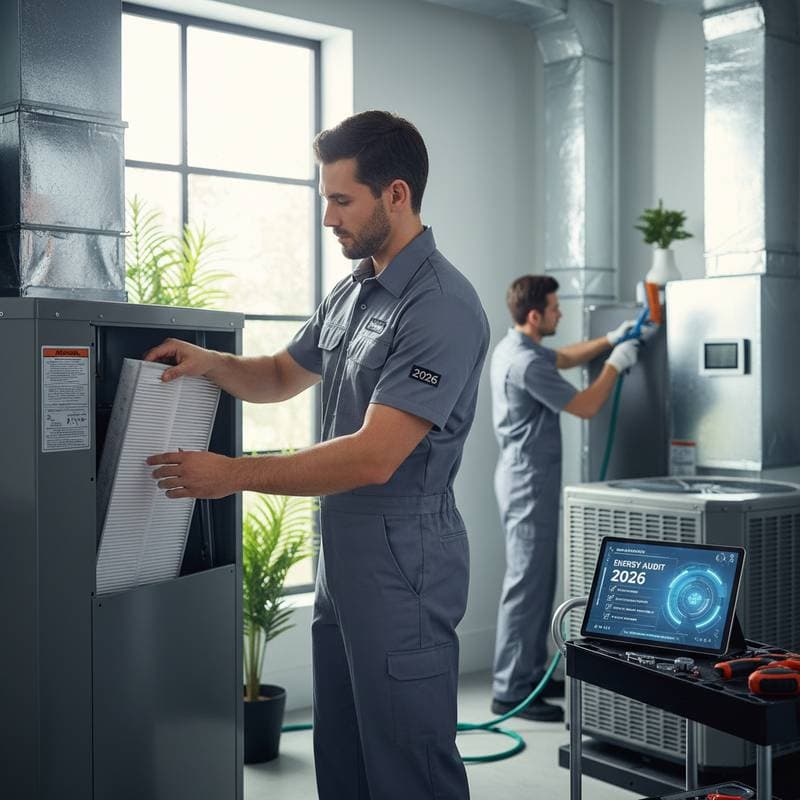
Spring HVAC Tasks That Slash Energy Bills
As warmer weather arrives, the HVAC system transitions from heating duties to cooling responsibilities. This shift presents an opportunity to optimize performance and reduce energy expenses. Homeowners who perform targeted maintenance during spring can achieve significant savings, often up to 20 percent on cooling costs, while enhancing system longevity and indoor comfort.
This article outlines essential tasks for spring HVAC preparation. The steps progress from basic inspections to more involved maintenance, providing a clear path to efficiency. Completing these actions ensures the system operates smoothly through the summer months.
Essential Preparation Steps
Spring maintenance begins with evaluating the system's current condition. Addressing issues early prevents inefficiencies that accumulate over time. The following tasks form a comprehensive approach to boosting performance.
Replace or Clean Air Filters
Dirty air filters restrict airflow and compel the blower motor to consume more energy. Systems with clogged filters may increase electricity usage by 15 percent or more. Homeowners should inspect filters monthly and replace disposable types or clean reusable ones every one to three months, depending on household activity levels.
Select filters with a MERV rating of 8 to 11, which capture common pollutants without overly impeding air movement. These filters cost between 10 and 25 dollars each, and installation requires only a few minutes. Regular changes maintain optimal air quality and support the system's overall efficiency.
Inspect and Seal Ductwork
Leaky ducts allow up to 30 percent of cooled air to escape before reaching living spaces. This waste directly translates to higher energy bills and uneven temperatures throughout the home. To detect leaks, use a smoke pencil or lit incense near duct joints; wisps of smoke indicate gaps.
Seal minor leaks with mastic sealant or aluminum foil tape, avoiding cloth-backed duct tape which deteriorates quickly. For widespread issues, professional sealing services, priced from 400 to 700 dollars, employ advanced techniques like aeroseal to fill leaks from within. Such investments typically recover costs within one year through reduced energy loss.
Clean Outdoor Condenser Units
Outdoor condenser units accumulate debris such as leaves, pollen, and grass clippings during winter. Blocked coils reduce heat exchange efficiency, forcing the compressor to run longer and harder. A dirty condenser can diminish system performance by 10 percent or greater.
Before cleaning, disconnect power at the breaker to ensure safety. Clear vegetation and remove loose debris by hand, then rinse the coils gently with a garden hose using low pressure to avoid bending fins. Maintain a clearance of at least two feet around the unit for unrestricted airflow, which supports consistent operation.
Check Thermostat Calibration
Inaccurate thermostats lead to overcooling or undercooling, wasting energy on unnecessary cycles. A discrepancy of even two degrees can add hundreds of dollars to annual bills. Compare the thermostat reading to a separate indoor thermometer placed nearby.
If differences exceed two degrees, recalibrate according to the manufacturer's instructions, often involving simple button adjustments. Upgrading to a programmable or smart thermostat allows automated scheduling, such as raising temperatures during absences, potentially saving 10 percent on cooling costs. Quality models range from 100 to 250 dollars and integrate easily with existing systems.
Test System Airflow and Temperature
Proper airflow ensures even cooling and prevents strain on components. Weak or warm air from vents suggests underlying problems like obstructions or refrigerant shortages. Activate the cooling mode and assess output from multiple vents.
Measure the temperature drop across the system by placing thermometers at a supply vent and the return air intake. A healthy difference falls between 15 and 20 degrees Fahrenheit. Deviations warrant a professional evaluation to address issues such as dirty evaporator coils or fan motor problems before summer heat intensifies.
Spring HVAC Energy Audit Checklist
Use this checklist to track progress and estimate impacts. Each item includes time, cost, and benefits for straightforward planning.
| Task | Time Required | Estimated Cost | Primary Benefit |
|---|---|---|---|
| Replace air filters | 10 minutes | 10 to 25 dollars | Immediate efficiency gain |
| Seal duct leaks | 1 to 3 hours | 20 dollars DIY or 400 to 700 dollars professional | Reduces air loss by up to 30 percent |
| Clean condenser | 30 minutes | Free to 15 dollars | Improves airflow and efficiency by 10 percent |
| Calibrate thermostat | 15 minutes | 0 to 250 dollars | Ensures precise temperature control |
| Inspect airflow | 20 minutes | Free | Detects issues early to avoid repairs |
Indicators for Professional Assistance
While many tasks suit DIY efforts, certain signs demand expert intervention. Unusual noises, such as rattling or hissing, may point to loose parts or refrigerant leaks. Inconsistent cooling or persistent high humidity also signal deeper concerns.
Certified technicians perform thorough diagnostics, including refrigerant level checks, electrical inspections, and coil cleaning. A full tune-up service costs 100 to 200 dollars and often uncovers efficiencies that lower bills by 15 percent. Engaging professionals early minimizes emergency calls during peak season.
Strategies for Long-Term Efficiency
Timing matters in maintenance routines. Perform tasks in early spring to avoid delays from high demand on service providers. Year-round habits, like trimming shrubs away from outdoor units, sustain airflow benefits.
Incorporate ceiling fans to distribute cool air effectively, allowing a thermostat increase of two to four degrees without discomfort. Track maintenance activities in a dedicated log, noting filter changes and energy usage patterns. These records reveal trends and guide future adjustments.
Realizing Savings Through Proactive Care
Investing time in spring HVAC maintenance yields tangible returns in reduced utility expenses and enhanced home comfort. Systems that receive regular attention operate more reliably, decreasing the likelihood of costly breakdowns. Homeowners who follow this plan enjoy cooler summers with bills that reflect true efficiency.