
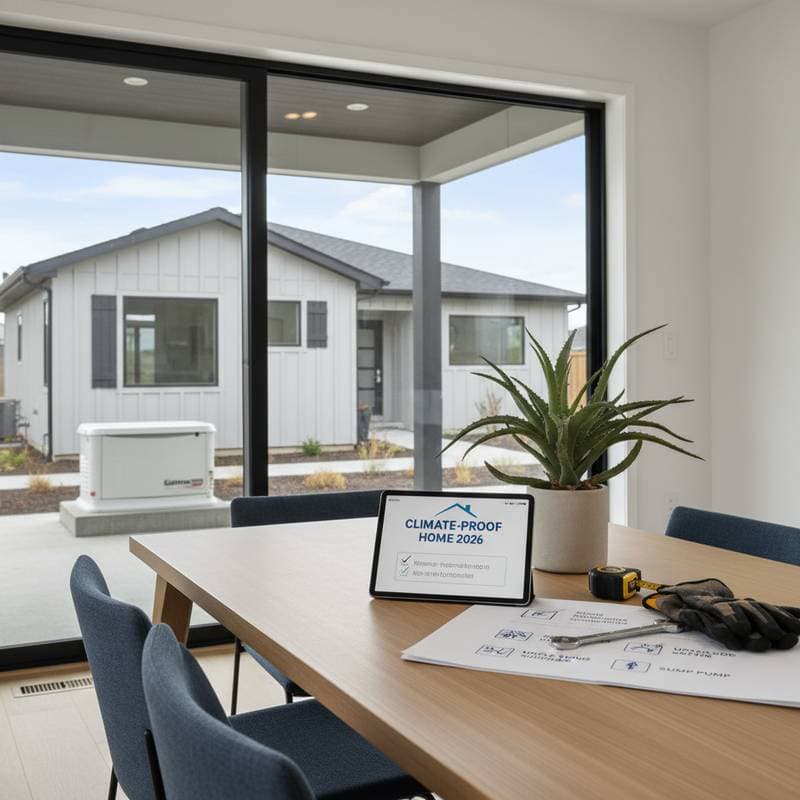
The Checklist That Shields Homes from 2026 Storms
Homeowners often experience a blend of anticipation and concern as winds intensify and skies darken. In such moments, individuals assess their surroundings, noting potential hazards like loose objects, vulnerable entry points, and structural weaknesses. Preparation transforms these worries into confidence, as a resilient home emerges from steady, intentional efforts rather than last-minute reactions.
This guide serves as a seasonal plan to fortify your property against storms. It integrates routine upkeep with strategic enhancements to foster long-term durability. Applicable to coastal or inland locations prone to intense weather, these recommendations safeguard both assets and well-being.
Securing the Perimeter
Windows, Doors, and Exterior Walls
Examine all seals around openings. Degraded caulking or fractured weatherstripping permits water infiltration and wind force. Apply durable silicone sealant to window perimeters and door bases. Materials for refreshed weatherstripping range from $50 to $100 for a typical residence, averting substantial losses from drafts or moisture during gales.
Evaluate exterior cladding for distortions or separations. Secure any detached sections using rust-resistant fasteners. For masonry structures, repair deteriorated mortar in joints exhibiting fissures. Coat or seal bare wooden elements to halt decay. These targeted interventions preserve the building's outer barrier against elemental intrusion.
Landscaping and Drainage
Landscaping influences home vulnerability significantly. Prune overhanging limbs near the roof and eliminate weakened trees susceptible to collapse. Arborists charge $200 to $500 for trimming substantial branches, varying by scale and reach.
Verify site grading ensures soil inclines away from the foundation at one inch per foot. Address pooling water at the base by incorporating fill dirt or a French drain system for diversion. Such modifications avert foundational shifts and inundation in below-grade spaces.
Fortifying the Core Systems
Electrical and Backup Power
Power disruptions during storms often extend beyond initial expectations. Select a portable generator with 5,000 to 7,000 watts capacity to sustain vital operations, priced at $700 to $1,200. For comprehensive coverage, opt for a stationary whole-home unit at $3,000 to $6,000, including setup. Mandate professional installation of a transfer switch by a qualified electrician to avoid hazardous feedback into public grids.
Position surge protection devices at key outlets and the primary electrical panel. Transient spikes from lightning or network instability threaten electronics, climate controls, and automated features. A comprehensive surge safeguard, installed for under $400, prevents costly appliance failures.
Plumbing and Sump Pumps
Test the sump pump by introducing water to the basin until activation occurs. Replace units that falter or operate erratically prior to seasonal peaks. Expect to invest $150 to $300 in a replacement, with an auxiliary battery setup adding $200 to $400. In susceptible lower levels, deploy water sensors to notify of accumulating levels and enable timely intervention.
Reinforcing Comfort and Safety
HVAC and Insulation
Extreme weather induces humidity variations that tax thermal regulation equipment. Replace air filters, clear ductwork of dust, and clear obstructions from outdoor components. Arrange a specialist service to verify coolant charges, drive mechanisms, and wiring integrity, typically at $120 to $200. This procedure prolongs equipment longevity and optimizes performance.
Bolster insulation in draft-prone zones. Achieve R-38 minimum in attics and install moisture retarders in subfloor areas. Adequate thermal barriers maintain interior stability amid erratic external conditions.
Emergency Supplies and Documentation
A fortified home extends to household readiness. Stock essentials including illumination tools, power cells, hydration sources, and medical kits in readily accessible spots. Secure vital records in impervious storage or digital backups. Capture pre-season images of the property to streamline post-event reimbursement processes with insurers.
Pro Tips for Success
- Verify functionality in advance. Activate generators, sump mechanisms, and auxiliary lights during non-urgent periods.
- Maintain reserves. Stockpile surplus shingles, sealants, and barriers for rapid deployment when resources dwindle.
- Record enhancements. Providers frequently adjust rates favorably for documented fortifications like fortified coverings or impact-resistant barriers.
- Book services promptly. Demand surges near weather events, so secure professional visits in off-peak intervals.
- Adopt a progressive approach. Incremental commitments to superior hydrology, bracing, and optimized infrastructure cultivate enduring fortitude.
Sustaining Home Resilience
Establish a dedicated log for tracking upkeep schedules, service provider information, and expenditure records. This chronicle demonstrates diligent oversight, enhancing market appeal upon sale and streamlining coverage dealings.
Seasonal adversities demand ongoing vigilance, yet durability arises from regular application. As tempests loom, your residence endures through deliberate foresight and meticulous stewardship.