
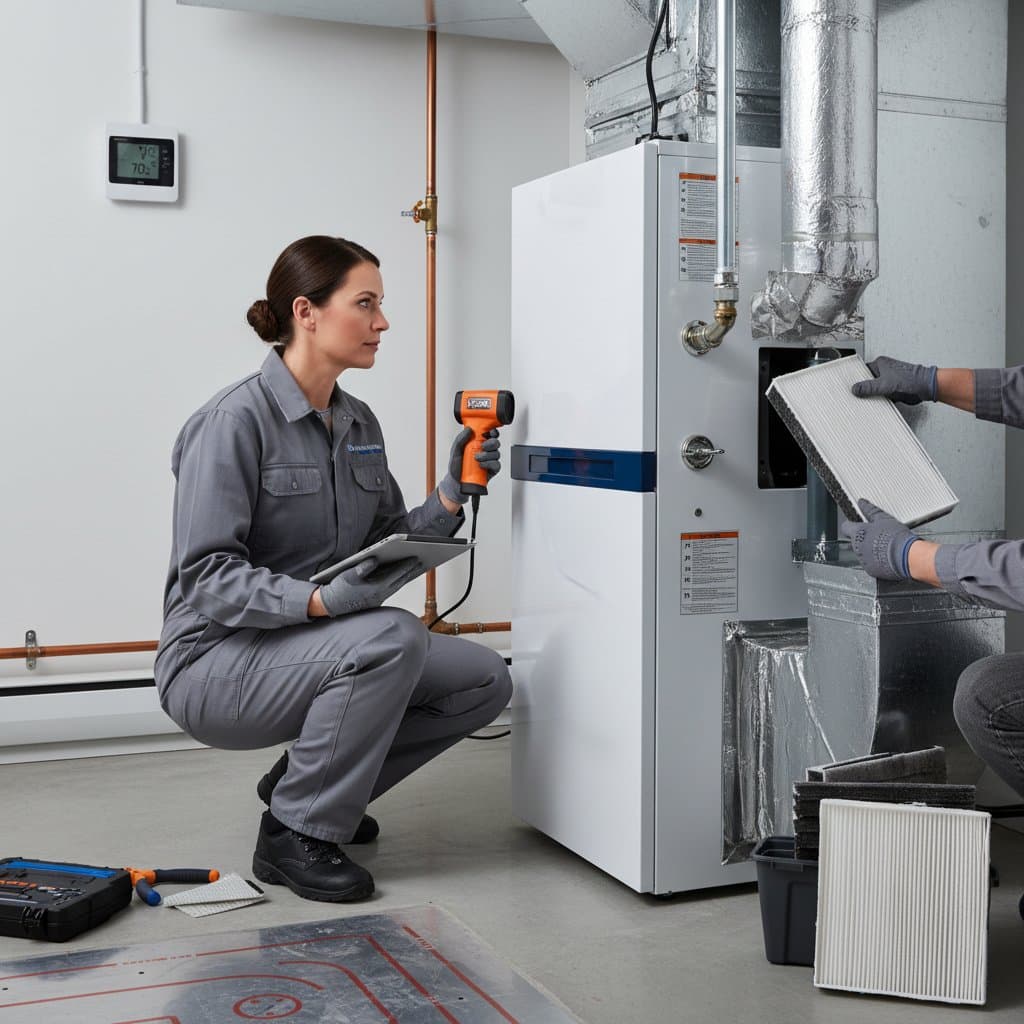
Winter HVAC Preparation: Prevent Costly Breakdowns During Cold Snaps
Winter brings challenges for heating systems, and preparation ensures reliability when temperatures drop sharply. Homeowners benefit from avoiding emergency service calls, which often occur during peak demand and carry premium prices. This guide outlines essential steps to maintain your HVAC system, enhance efficiency, and safeguard your home throughout the season.
Early action identifies potential issues before they escalate. Technicians face overwhelming schedules in harsh weather, leading to extended wait times. By following a structured maintenance plan, you secure consistent warmth and control energy expenses.
Benefits of Proactive Winter HVAC Maintenance
A properly maintained heating system operates with greater efficiency, potentially reducing heating costs by up to 15 percent. The furnace or heat pump requires less effort to achieve and hold the set temperature, which conserves fuel or electricity. Preventive care also minimizes the risk of sudden failures, where repair expenses range from $300 to $1,200, depending on the problem.
Beyond immediate savings, regular maintenance prolongs equipment life, postponing the substantial investment of a full replacement, typically costing $5,000 to $12,000 for an average household. For those considering property sale, documented maintenance history reassures potential buyers and supports smoother inspections. Overall, these practices foster a safer, more comfortable living environment.
Essential Maintenance Steps
Follow these numbered actions to prepare your system thoroughly. Each step contributes to overall performance and longevity.
1. Schedule a Professional Inspection
Begin with a comprehensive check by a certified technician, ideally before the heating season starts. This service uncovers hidden issues such as worn belts, electrical faults, or combustion problems that could lead to inefficiency or hazards. Technicians clean the burner assembly, verify gas pressure, and test safety controls to ensure safe operation.
Expect the visit to last one to two hours, with costs ranging from $75 to $200. Annual inspections align with manufacturer recommendations and often qualify for warranty extensions. Address any findings promptly to avoid compounded problems later.
2. Replace or Clean Air Filters
Clogged filters impede airflow, compelling the system to strain and increase energy use. Homeowners should replace disposable filters or clean reusable models every 30 to 60 days, adjusting frequency based on household activity and pet presence.
Select filters with a MERV rating of 8 to 11, which balances particle capture and system compatibility. Higher ratings improve air quality but may overload older units if airflow becomes too restricted. Mark the installation date on the filter frame for simple tracking.
3. Seal Ducts and Inspect Insulation
Leaky ducts waste up to 30 percent of heated air, driving up bills and causing uneven temperatures. Inspect accessible joints for gaps and apply mastic sealant or foil tape to secure connections. Professional duct sealing, if needed, costs $200 to $500 but yields quick returns through efficiency gains.
Examine attic and wall insulation for adequacy; add R-38 batts or blown-in material if levels fall below local codes. Proper insulation minimizes heat loss, eases system workload, and enhances comfort in peripheral rooms.
4. Test Your Thermostat
An inaccurate thermostat leads to inconsistent heating or excessive cycling, which shortens equipment life. Raise the setting by a few degrees and confirm warm air delivery within minutes. If response lags, calibrate the device per manufacturer instructions or consider replacement.
Smart thermostats offer programmable schedules and remote access, saving an average of 10 percent on annual heating expenses. Utility providers frequently provide rebates of $50 to $150, offsetting installation costs. Integration with home automation systems adds further convenience.
5. Lubricate Moving Parts
Friction in motors, fans, and blowers accelerates wear and reduces efficiency. Locate oil ports on accessible components and apply manufacturer-recommended lubricant, such as SAE 20 non-detergent oil, sparingly. Perform this task quarterly for systems in dusty environments.
If your unit features sealed bearings, lubrication may not apply; consult the owner's manual. This simple procedure prevents squeaks, overheating, and premature failures, extending operational reliability.
6. Inspect Vents and Registers
Obstructions force the system to overwork, diminishing airflow and comfort. Survey every room to ensure registers remain open and free from furniture, carpets, or drapes. Vacuum accumulated dust from grilles and gently brush vent covers to restore full capacity.
Persistent temperature variations across rooms suggest duct imbalances or leaks requiring expert assessment. Adjust dampers in the ductwork to equalize distribution, promoting even heating without strain.
7. Clear the Outdoor Unit
Debris around the outdoor condenser or heat pump restricts airflow and invites damage. Remove leaves, dirt, and overgrowth within a two-foot radius, using a garden hose for gentle rinsing. Straighten any bent fins with a fin comb to maintain optimal heat exchange.
For heat pump systems, verify the defrost cycle functions correctly during mild cold tests. Clear paths ensure technicians can access the unit if service arises, avoiding delays in emergencies.
8. Review Safety Devices
Carbon monoxide detectors provide vital protection against incomplete combustion. Test units monthly and replace batteries annually, positioning devices on each level and near bedrooms. Integrate alarms with home safety systems for alerts via smartphone.
For gas or oil furnaces, confirm fresh air intakes remain unobstructed and combustion vents clear of blockages. Adequate ventilation supports clean burning, reduces pollutant risks, and maintains efficiency. Install or service these elements before first use.
Planning Costs and Budgeting Effectively
Anticipate expenses to maintain financial stability. Establish a dedicated fund for seasonal upkeep, allocating $15 to $30 monthly for inspections and supplies. Maintain a $300 to $500 buffer for unforeseen repairs, preventing reliance on high-interest loans.
Track expenditures with a simple spreadsheet, noting service dates and costs. If your furnace nears 15 to 20 years of age, research replacement options during summer for competitive pricing and prompt scheduling. Energy-efficient models qualify for tax credits up to $500, enhancing long-term value.
Key Strategies for Optimal Results
- Activate the heating system ahead of the initial freeze to detect problems early.
- Document all maintenance activities, including receipts, to support warranties and resale appeal.
- Evaluate home insulation levels; upgrades in attics or walls lessen heating demands.
- Maintain clearance around outdoor components by trimming nearby plants regularly.
- Establish monthly reminders for filter checks and vent cleaning to build consistent routines.
Sustaining System Performance Year-Round
After preparation, monitor for indicators of trouble, such as unusual sounds, fluctuating temperatures, or rising utility bills. Address anomalies swiftly through routine self-checks or professional follow-ups. This vigilance preserves the investment in your home's comfort infrastructure.
Integrate HVAC care into your household calendar, treating it as essential as other seasonal tasks. Such diligence delivers dependable heat, fiscal savings, and enhanced safety, allowing focus on winter enjoyment rather than disruptions.