
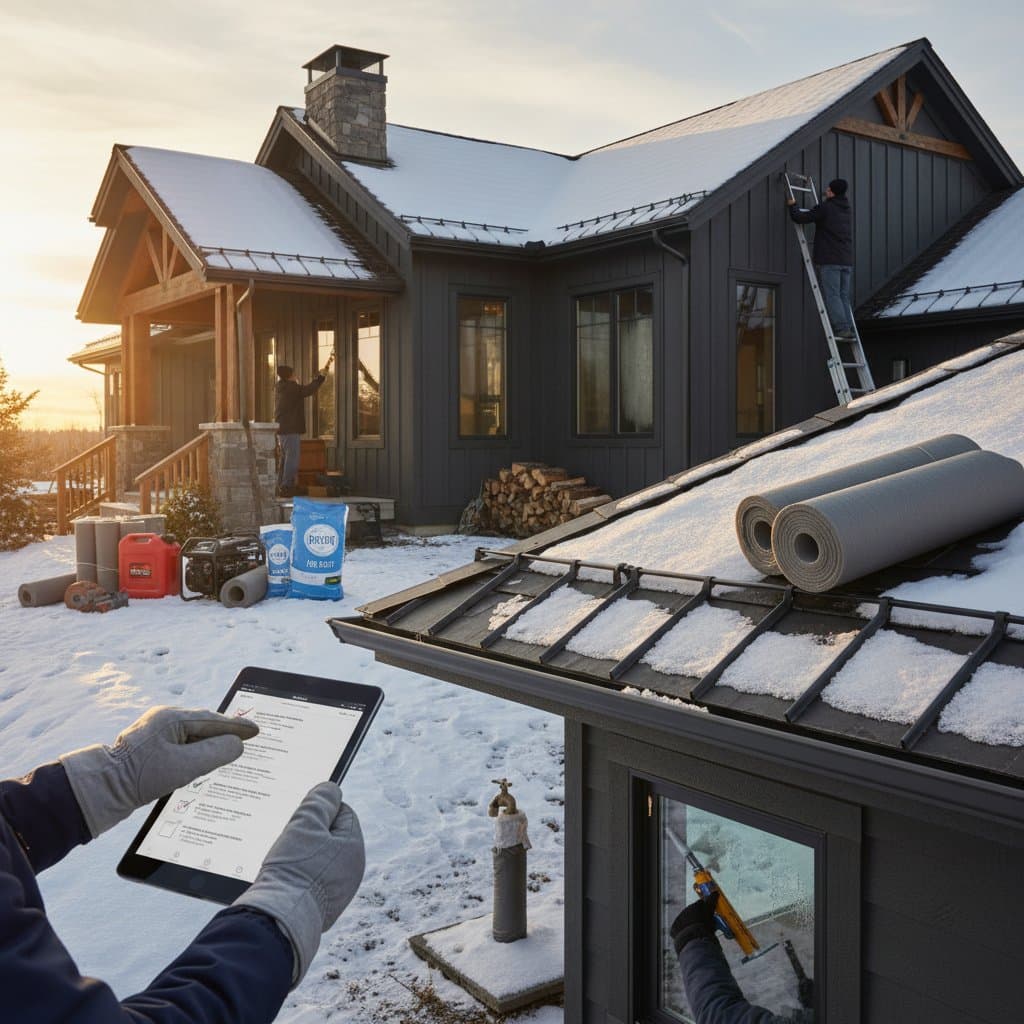
Safeguard Your Home: A Comprehensive Winter Preparation Guide
Winter arrives subtly, often revealing vulnerabilities in your home through small signs like dripping water or persistent drafts. These issues, if ignored, escalate into expensive repairs affecting roofs, plumbing, and overall structural integrity. Proactive preparation transforms potential disasters into manageable routines, ensuring your home remains a reliable sanctuary throughout the cold months.
Effective winter readiness involves systematic checks and maintenance. Begin with exterior assessments to identify risks from snow, ice, and wind. Follow through with interior fortifications to optimize energy use and prevent system failures. This guide provides detailed steps to fortify your property against seasonal threats.
Essential Inspection Checklist
Start your preparation with a thorough evaluation of key areas. Address these priorities to minimize risks and costs.
- Examine the roof for missing shingles, cracked flashing, or loose tiles; hire a professional if access proves difficult.
- Clean gutters and downspouts to ensure proper drainage and prevent ice dams.
- Test insulation levels in attics and walls, adding material where gaps exist to maintain warmth.
- Inspect plumbing pipes in unheated spaces, such as crawlspaces or exterior walls, for exposure to cold.
- Verify the functionality of heating systems through a professional service call.
- Seal all potential entry points for cold air around doors, windows, and outlets.
- Remove or secure outdoor elements like loose branches, furniture, and decorations that could become hazards in storms.
These actions form the foundation of a resilient home. Completing them early allows time for any necessary repairs before severe weather sets in.
Fortify the Exterior: Roofs, Gutters, and Drainage
Roofs bear the brunt of winter's fury, from heavy snow loads to ice buildup. Begin by walking around your property to spot visible damage. Look for curled shingles or areas where the roof meets the chimney or vents, as these junctions often weaken first.
Clear gutters meticulously, removing leaves, twigs, and debris that obstruct flow. Clogged systems lead to overflowing water, which freezes and forms ice dams. These dams force moisture under shingles, causing leaks and structural harm. Install gutter guards if recurring clogs persist; they cost between 50 and 150 dollars per section and reduce future maintenance.
For sloped roofs, consider adding heat cables along edges to melt ice before it accumulates. Professional installation runs 200 to 500 dollars but prevents thousands in water damage. If your roof shows signs of age, such as granule loss on asphalt shingles, plan for replacement within the next few years. Temporary patches with roofing cement offer immediate protection while you budget for upgrades.
Attic insulation plays a crucial role here as well. Measure current depth; aim for at least 12 inches of fiberglass or cellulose in most climates. Blown-in insulation kits, available for under 100 dollars, provide an accessible way to boost coverage without major disruption.
Protect Plumbing Systems from Freezes
Frozen pipes rank among the most common winter emergencies, often resulting in bursts and flooding. Identify vulnerable lines by tracing pipes exposed to unheated areas. Insulate them using foam sleeves, which slip over pipes and cost less than 20 dollars for a basic kit.
For exterior faucets, shut off indoor valves and drain the lines completely. Install insulating covers over spigots to add an extra layer of defense. In colder regions, consider pipe heating cables that activate automatically when temperatures drop below freezing; these devices range from 30 to 100 dollars and connect to standard outlets.
Inside, open cabinet doors under sinks to allow warm air circulation around pipes. If your home includes a sump pump, test it monthly and ensure a backup battery powers it during outages. Regular flushing of water heaters removes sediment buildup, extending efficiency and preventing cold spots in the system.
Monitor for early signs of trouble, such as frost on pipes or reduced water pressure. Thaw minor freezes with warm towels or a space heater kept at a safe distance. Avoid using open flames, which pose fire risks.
Enhance Energy Efficiency: Sealing Drafts and Insulation
Drafts erode comfort and inflate heating bills, sometimes by 20 percent or more. Detect them using the incense method: hold a lit stick near suspected areas and watch for smoke disturbance. Common culprits include door bottoms, window sills, and electrical outlets.
Apply weatherstripping to doors by measuring gaps and cutting adhesive-backed foam or vinyl strips to fit. Secure them firmly for a tight seal. For windows, silicone caulk fills larger cracks effectively; apply in a thin bead, smooth with a wet finger, and allow 24 hours to cure.
Plastic window films offer a budget-friendly insulation boost. Stretch the film over frames, shrink it taut with a hair dryer, and secure edges with double-sided tape. This barrier can cut heat loss significantly, especially in older single-pane windows.
Outlet seals, simple foam gaskets placed behind cover plates, prevent cold infiltration at a cost of just a few dollars per pack. Combine these with door sweeps that brush the floor threshold to create a comprehensive barrier against invading chill.
Optimize Heating Systems for Reliability
Heating units demand peak performance during winter, making pre-season maintenance essential. Arrange for a technician to inspect your furnace, boiler, or heat pump. They will clean components, test safety controls, and ensure even distribution of warm air.
Change air filters quarterly, or more often in dusty environments. Select filters with a MERV rating of 8 to 13 for balanced filtration without straining the blower. A clean filter maintains airflow, reduces strain, and improves indoor air quality.
For hydronic systems, bleed radiators to release trapped air, enhancing circulation. Vacuum baseboard heaters gently to remove dust that hampers heat output. If your setup includes a thermostat, upgrade to a programmable model to automate temperature adjustments and save up to 10 percent on energy.
Fireplace users must prioritize chimney care. Hire a certified sweep to remove creosote, a flammable residue from wood burning. Annual cleanings, priced at 150 to 300 dollars, also check for blockages or structural issues.
Build Emergency Preparedness
Storms can isolate homes for days, underscoring the need for a robust kit. Assemble items in a waterproof container stored in an accessible location. Include multiple light sources like LED flashlights with long-life batteries.
Power solutions extend to solar chargers for devices, ensuring communication remains possible. Stock three days' worth of canned goods, energy bars, and water, rotating stock to keep it fresh. A comprehensive first aid kit covers injuries from slips on ice or minor burns.
Layered wool clothing and mylar emergency blankets provide warmth without electricity. Tune into weather updates via a hand-crank radio that also charges small electronics. For heating alternatives, select vented propane heaters with carbon monoxide detectors mandatory nearby.
Generators require outdoor operation on level ground, connected via heavy-duty cords to essential appliances. Practice starting yours and review fuel storage guidelines to avoid hazards.
Implement Lasting Maintenance Strategies
Sustain your efforts with scheduled routines. Use calendar alerts for recurring tasks like filter swaps or gutter clears. Photographic records of inspections aid in tracking changes and support insurance processes.
Distinguish between simple fixes and expert interventions. Tackle sealing and basic cleaning yourself, but engage licensed pros for roof work or electrical tweaks. Long-term choices, such as LED lighting or efficient appliances, yield ongoing savings and environmental benefits.
Winter preparation embodies foresight and care. By investing time now, you secure peace of mind, lower expenses, and a home that withstands the season's challenges effectively.