
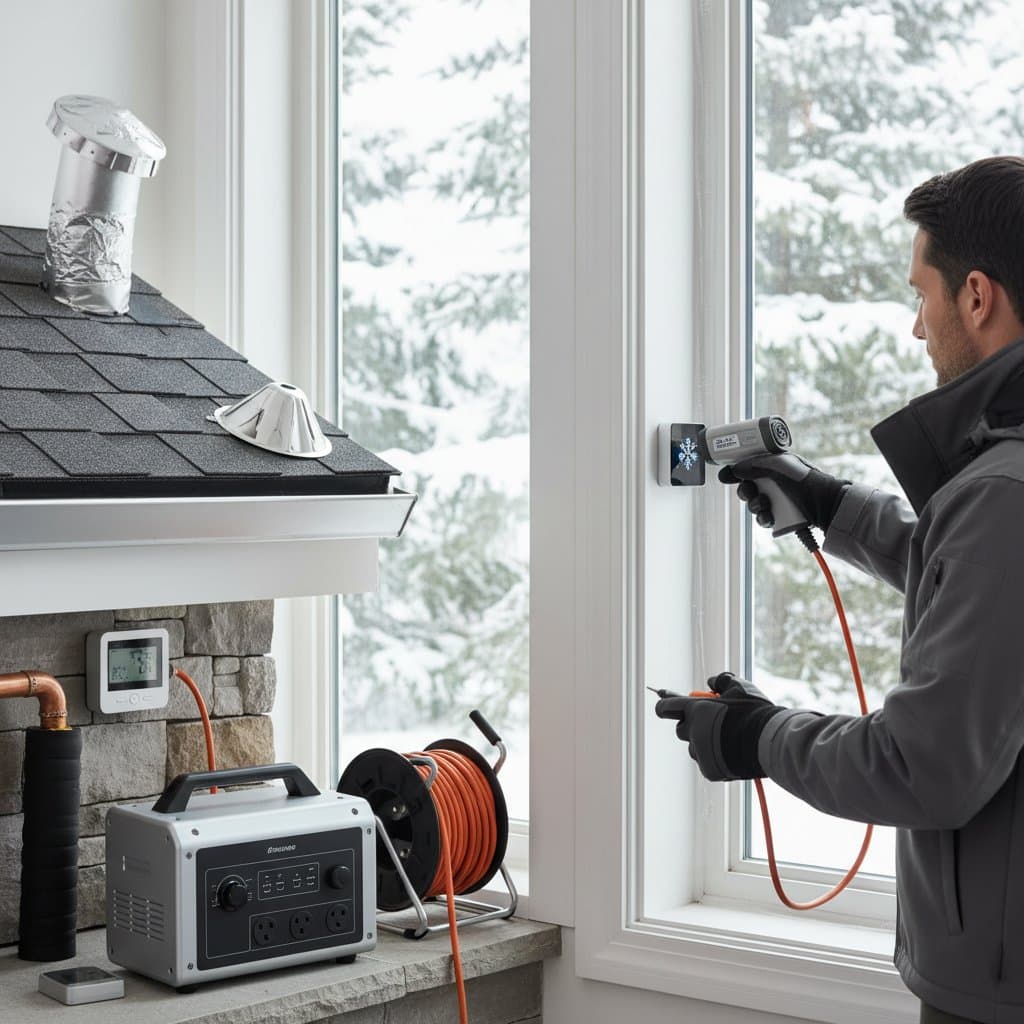
Safeguard Your Home Against Winter Storms: Prepare Today
The initial signs of frost evoke anticipation for relaxed evenings and hot beverages. For property owners, however, this cooling air heralds the onset of a challenging period for their residences. Ice formations, strong winds, and subzero temperatures transform minor upkeep oversights into expensive repairs. Proactive measures enable you to maintain a comfortable, energy-efficient, and resilient home.
Conduct a Comprehensive Home Inspection for Weather Vulnerabilities
Prior to the arrival of sustained cold, inspect the exterior and interior of your property for potential weak points. Focus on locations susceptible to water infiltration and air movement. Examine caulking around window frames for cracks, assess weather stripping on doors for deterioration, and identify openings near vents or plumbing penetrations. Such breaches contribute to significant heat escape and foster ice accumulation that harms exterior siding or structural elements.
Acquire a tube of high-quality exterior caulk, which typically costs approximately ten dollars and suffices for sealing several windows. A roll of durable weather stripping for doors expenses between fifteen and twenty dollars. These straightforward enhancements can reduce heating expenses by up to fifteen percent and exclude excess humidity.
To enhance this process, use a flashlight to illuminate hidden areas like soffits and foundation cracks. Document findings with photographs to track progress and support any insurance claims. Professionals recommend performing this inspection annually in early fall to address issues before they escalate.
Maintain Your Roof and Gutters for Optimal Performance
The roof endures substantial stress from winter precipitation and temperature fluctuations. Remove accumulated leaves, twigs, and other debris from gutters and downspouts to facilitate proper drainage of melting snow. Obstructed channels lead to ice dams, which redirect water beneath shingles and into attic spaces or interior ceilings.
For roofs exceeding ten years in age or exhibiting absent shingles, arrange a professional evaluation prior to substantial snowfall. Repair costs generally fall between two and five dollars per square foot, whereas complete replacements demand considerably higher investments. Allocating a few hundred dollars for preemptive maintenance averts expenditures in the thousands.
Consider installing gutter guards if debris buildup recurs frequently; these mesh screens, priced at one to three dollars per linear foot, minimize cleaning frequency. Additionally, inspect flashing around chimneys and vents for corrosion, as compromised seals invite leaks during freeze-thaw cycles.
Insulate and Protect Plumbing Systems
Pipe freezing represents one of the most disruptive winter incidents for residents. Insulate all exposed piping in attics, basements, and crawl spaces with foam pipe sleeves or fiberglass wraps. A ten-foot section of such material costs under five dollars and thwarts ruptures that could incur repair bills exceeding one thousand dollars.
Within living areas, position cabinet doors beneath sinks ajar to permit ambient heat circulation during frigid periods. When vacating the premises for extended durations, adjust the thermostat to maintain at least fifty-five degrees Fahrenheit, ensuring continuous water flow. In regions prone to extreme lows, install heat tape on vulnerable exterior faucets; this electrical solution activates automatically and costs around twenty dollars per outlet.
For added security, locate and shut off the main water valve before prolonged absences, then drain the system to eliminate residual moisture. Regular checks on indoor faucets for drips prevent gradual freezing from the inside out.
Enhance Insulation at Windows and Doors
Even properly fitted windows permit heat loss in severe cold. Install thermal-lined curtains or honeycomb cellular shades to augment insulating properties. As a budget option, apply clear plastic shrink film kits over dated windowpanes; these create an air barrier and cost less than twenty dollars per standard room, delivering noticeable warmth retention.
Examine door thresholds for gaps and install new door sweeps if existing ones show wear. A secure perimeter seal blocks drafts and inhibits entry of slush from snowmelt. Opt for magnetic or brush-style sweeps, which adapt to uneven floors and last multiple seasons.
To maximize effectiveness, layer window treatments: combine shrink film with curtains for dual insulation. Measure window sizes precisely before purchasing to avoid ill-fitting applications that reduce efficiency.
Secure and Winterize Outdoor Areas
Severe weather transforms loose outdoor elements into projectiles or structural risks. Relocate or anchor patio furniture, potted plants, and landscaping tools in sheltered locations. Protect grills by cleaning thoroughly and covering with weatherproof tarps; disconnect and store hoses after draining to avert splitting from ice expansion.
If mature trees overhang your roofline, hire an arborist to prune limbs that could snap under snow weight. This service, often two hundred to five hundred dollars depending on scope, prevents branch impacts that damage roofing or siding. Secure fences and gates with additional latches to withstand wind gusts exceeding fifty miles per hour.
For decks or patios, apply a sealant to wooden surfaces in late fall; this moisture barrier, applied with a brush for under fifty dollars per gallon, resists cracking and rot over winter.
Equip for Potential Power Interruptions
Assemble a comprehensive emergency kit including flashlights with extra batteries, several gallons of bottled water, canned goods or dried foods, wool blankets, and a solar-powered device charger. For homes dependent on sump pumps, invest in a battery-operated backup unit, which retails for about two hundred dollars and averts water intrusion during blackouts.
Residents in outage-prone zones may benefit from standby generators. Portable units begin at five hundred dollars for basic power needs, while integrated whole-house models range from several thousand dollars. Engage a certified electrician for installation and annual testing to comply with safety codes and ensure reliability.
Stock additional essentials like a manual can opener, first-aid supplies, and cash for emergencies. Practice using your kit quarterly to familiarize household members with procedures.
Implement Seasonal Maintenance Routines
Preparation extends beyond initial efforts; monitor conditions throughout winter. Reexamine caulking and insulation after the first freeze, remove snow accumulations from gutters following intense storms, and survey basement foundations for dampness indicators. These habits preserve your investments and detect emerging problems early.
Schedule a mid-winter walkthrough, focusing on attic ventilation to prevent excess moisture buildup. Use a hygrometer, available for ten dollars, to measure humidity levels and adjust dehumidifiers as needed.
Expert Recommendations for Effective Preparation
- Organize winter essentials in a clearly marked container for swift access during urgent situations.
- Arrange for heating, ventilation, and air conditioning system tune-ups in early autumn to optimize performance.
- Position bags of sand or salt-based de-icers adjacent to entryways to mitigate fall risks.
- Capture before-and-after images of your property to facilitate insurance documentation if damage occurs.
Embrace Winter with Confidence in Your Protected Home
With these preparations complete, winter transforms from a source of anxiety into an opportunity for seasonal enjoyment. The assurance of a fortified residence allows focus on festivities rather than weather alerts. Your proactive steps not only lower energy bills but also extend the lifespan of your home's components, yielding long-term savings and serenity.