
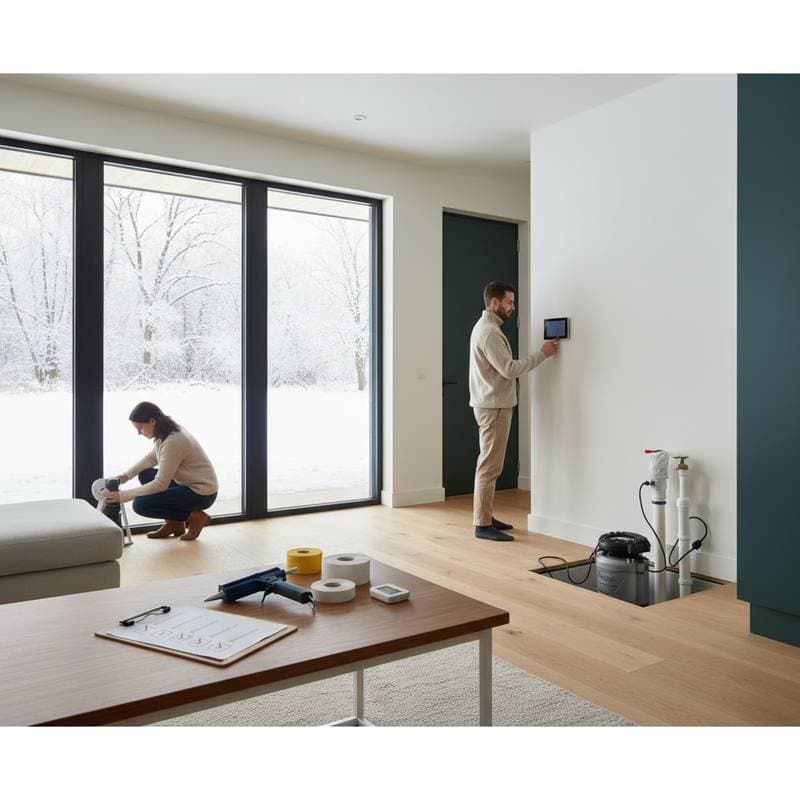
Preparing Your Home for Winter Storms: Essential Protection Measures
Winter weather poses significant risks to homes, testing roofs, foundations, and plumbing systems alike. Proactive preparation addresses these vulnerabilities before cold snaps arrive. A comprehensive plan ensures your property remains secure, efficient, and free from damage throughout the season.
Essential Preparation Checklist
- Conduct thorough inspections of roofs, gutters, windows, and doors to identify and seal potential entry points for water and cold air.
- Insulate exposed pipes and maintain consistent indoor temperatures to prevent freezing and bursting.
- Trim overhanging branches, secure outdoor fixtures, and clear drainage paths to mitigate wind and ice hazards.
- Test sump pumps, generators, and heating systems for reliable performance during power outages or heavy precipitation.
- Review insurance policies and document your home's condition to facilitate smooth claims processes if needed.
- Invest in quality materials and professional services early to avoid peak-season delays and higher costs.
Inspecting Roofs and Gutters
The roof serves as the primary barrier against snow, ice, and wind. Examine shingles for looseness or cracks, and inspect flashing around chimneys and vents for deterioration. Professional inspections, typically costing $150 to $400, reveal issues that could lead to leaks and structural compromise.
Gutters and downspouts require equal attention to prevent ice dams, which form when melting snow refreezes and pushes water under roofing materials. Remove debris thoroughly and extend downspouts to direct water at least five feet from the foundation. Install additional supports if gutters show signs of sagging to maintain proper flow.
Sealing Windows, Doors, and Vents
Drafts around windows and doors allow cold air infiltration, increasing heating costs and moisture risks. On a breezy day, slide your hand along frames to detect air movement. Apply weatherstripping or silicone caulk to gaps, and install door sweeps, available for under $20, to block ground-level drafts effectively.
Vents, including those for dryers and bathrooms, often attract pests seeking warmth. Screen openings to deter nesting, which could obstruct airflow and elevate carbon monoxide dangers. Regular checks maintain ventilation integrity and indoor air quality.
Safeguarding Plumbing and Heating Systems
Freezing pipes account for numerous winter claims, with bursts causing extensive water damage. Wrap exposed lines in basements, attics, and crawl spaces using foam sleeves, priced at about $2 per six-foot length. These simple installations provide critical thermal protection.
Maintain thermostat settings at a minimum of 55 degrees Fahrenheit, particularly during absences. In extreme cold, open under-sink cabinets to circulate warm air around pipes. For water heaters in unconditioned spaces, add insulating blankets to conserve energy and prevent failures.
Furnace maintenance enhances system reliability. Replace clogged filters to optimize airflow and reduce operational stress. Schedule tune-ups, averaging $80 to $150, to catch potential problems before storms strain the equipment.
Securing the Exterior and Landscape
High winds transform loose branches into hazards for siding, windows, and roofs. Prune limbs extending within ten feet of the house, prioritizing those near power lines. Professional arborists handle complex tasks safely.
Examine fences, decks, and outbuildings for weakened fasteners or rot. Reinforce joints with brackets and store seasonal items like furniture and grills in sheltered areas or secure them with ties. This preparation minimizes debris-related impacts.
Prepare walkways and driveways by sealing cracks in concrete or asphalt, which expand under freeze-thaw cycles. Stock pet-safe de-icers and shovels for safe access, reducing slip risks during snow events.
Enhancing Drainage and Power Reliability
Effective drainage prevents basement flooding from meltwater or rain. Verify sump pump functionality by simulating activation with water in the sump pit. Test battery backups to ensure operation during outages.
Power interruptions during storms disrupt heating and essentials. A portable generator, ranging from $500 to $1,000 for mid-sized models, supports critical loads like furnaces and refrigerators. Position units outdoors, at least 20 feet from openings, following safety guidelines to avoid exhaust hazards.
Reviewing Insurance and Documentation
Standard policies may exclude specific winter perils, such as ice dam leaks or wind-driven debris. Contact your agent to confirm coverage details and consider riders for comprehensive protection. Photograph interiors and exteriors pre-winter for claim substantiation.
Organize emergency contacts, policy numbers, and shut-off valve locations in an accessible spot. This preparation streamlines responses to incidents, reducing stress and financial impacts.
Practical Strategies for Effective Preparation
Schedule inspections in early fall when professionals have availability. Select durable sealants rated for subzero temperatures to ensure longevity. Label main water valves and circuit breakers for rapid access in crises.
Prioritize safety by avoiding ladder work on slick surfaces or electrical tasks without expertise. Hire certified technicians for complex repairs to uphold warranties and standards.
Preserving Your Home's Longevity
Thorough winterization upholds property value by averting moisture intrusion, mold growth, and material degradation. Post-storm assessments detect subtle issues like shingle displacement or vent obstructions promptly.
Typical full-home winterization costs $350 to $1,200, varying by size and existing condition. These investments yield peace of mind, allowing you to embrace winter without constant worry over weather threats.