
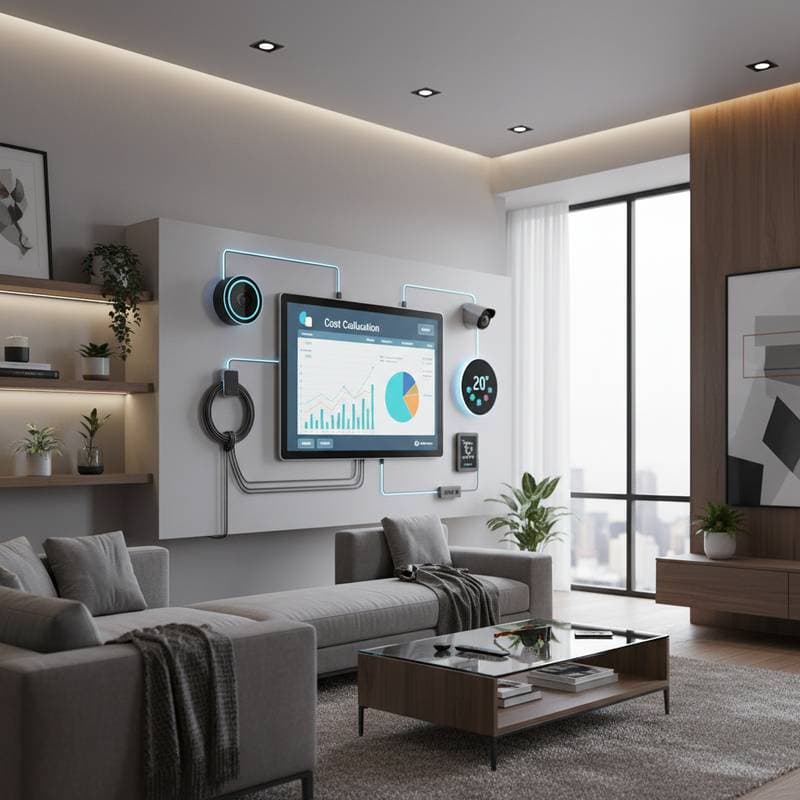
The Real Cost of Smart Home Upgrades in 2026
The Hidden Costs of 2026 Smart Home Upgrades
Homeowners who interact with voice assistants to control lights or appliances appreciate the convenience of smart homes. These systems offer energy efficiency and potential increases in property value. However, expenses often emerge after initial purchases, turning modest upgrades into significant financial commitments.
This guide examines those concealed costs, explains their importance, and provides a practical planning framework for smart home investments in 2026. By understanding these elements, individuals can avoid unexpected outlays and achieve sustainable automation.
Hardware: Beyond the Sticker Price
Devices such as smart thermostats, lighting hubs, and security cameras appear affordable at first glance. Yet the listed price seldom accounts for essential supporting elements required for full functionality.
Common Hidden Hardware Costs
- Bridges and Hubs: Numerous devices demand a central hub for seamless integration. Prices for these units range from 70 to 250 dollars, varying by manufacturer and features.
- Accessory Components: Items like sensors, smart plugs, and mounting hardware contribute an additional 100 to 300 dollars to basic installations.
- Compatibility Upgrades: Outdated routers or electrical systems may prove inadequate, necessitating further expenditures on replacements or modifications.
Real-World Example
For a typical three-bedroom residence, installing smart lighting, door locks, and cameras might begin at an anticipated 800 dollars. Including necessary hubs, switches, and wiring, the total often reaches 1,800 dollars. This escalation highlights the need to assess complete system requirements upfront.
Network and Power Infrastructure: The Backbone of Automation
Effective smart homes depend on stable internet access and uninterrupted power supplies. Weak networks undermine device performance, leading to unreliable operation.
Connectivity Upgrades
- Routers and Mesh Systems: Standard routers frequently struggle with the demands of multiple smart devices. Transitioning to a mesh network involves costs of 300 to 900 dollars.
- Signal Boosters or Extenders: In expansive homes, extra access points become essential, with each unit priced at 100 to 200 dollars.
- Power Supply Improvements: Investments in battery backups and surge protectors safeguard electronics, adding 150 to 400 dollars to initial setups.
Hidden Long-Term Costs
Connected devices draw on bandwidth and electricity continuously. Consequently, monthly internet and utility bills may rise by 5 to 15 percent, influenced by usage habits and local pricing structures.
Maintenance and Replacement: The Longevity Challenge
Unlike conventional appliances, smart devices exhibit reduced durability due to battery wear, obsolete software, and frequent electronic stress.
Expected Replacement Timelines
| Device Type | Typical Lifespan | Replacement Cost Range |
|---|---|---|
| Smart Door Lock | 3–5 years | 150–300 dollars |
| Smart Thermostat | 5–7 years | 200–400 dollars |
| Smart Bulbs | 2–4 years | 20–70 dollars each |
| Smart Speaker | 3–6 years | 100–250 dollars |
Ongoing tasks, including battery swaps, software updates, and device resets, demand regular attention. Incorporating these into planning strategies mitigates future disruptions.
Evaluating Return on Investment
While smart upgrades enhance home appeal, their financial returns vary widely. Systems that promote energy conservation or prevent damage typically provide tangible benefits, whereas decorative features deliver limited practical gains.
High-ROI Upgrades
- Smart Thermostat: Achieves 10 to 20 percent reductions in heating and cooling expenses through optimized scheduling.
- Smart Lighting: Lowers energy consumption by as much as 30 percent via motion detection and remote controls.
- Water Leak Sensors: Averts water damage incidents that average thousands of dollars in repairs.
Low-ROI Upgrades
Voice-activated appliances yield negligible energy savings and introduce unnecessary complexity. Premium entertainment systems attract hobbyists but contribute little to property resale values.
Assessing upgrades based on projected returns aligns spending with enduring advantages over fleeting trends.
Pro Tips for Success
- Start Small: Introduce one or two devices to evaluate performance before expanding to comprehensive automation.
- Prioritize Compatibility: Select components from a unified ecosystem to minimize integration challenges.
- Plan for Upgrades: Anticipate replacements for select devices every few years to maintain reliability.
- Budget Realistically: Allocate an extra 20 to 30 percent above initial projections to accommodate unforeseen expenses.
- Protect Your Data: Implement robust passwords, encrypted Wi-Fi networks, and automated security patches.
Sustaining Your Smart Home System
With a well-implemented smart home, upkeep integrates into daily routines. Conduct quarterly inspections to verify connections, swap batteries promptly, and evaluate subscriptions each year. Maintain documentation of warranties and support options for efficient issue resolution.
Automation serves to streamline existence when approached thoughtfully. Allocating resources for concealed costs and ongoing care enables a system that boosts efficiency, conserves resources, and supports personalized living.