
Spring HVAC Checks That Stop Expensive Breakdowns
The first warm breeze of spring often carries a sense of renewal. Windows open and sunlight spills into rooms that felt closed off for months. The hum of outdoor life returns. Yet while many homeowners focus on tidying gardens or swapping out winter decor, the most overlooked ritual of the season often hides behind a simple metal grate.
Your HVAC system kept the chill away through winter. It now needs its own spring refresh to run efficiently through the months ahead.
Why a Spring HVAC Check Matters
Skipping seasonal maintenance can quietly shorten system lifespan. Dust buildup, clogged filters, and unnoticed leaks force the system to work harder. This raises energy costs and the risk of sudden breakdowns. A basic inspection now can reveal small issues before they evolve into expensive compressor failures or motor replacements.
Homeowners who schedule or perform a spring check often save hundreds in repair costs. They also enjoy better air quality and comfort all season long.
Step by Step Seasonal Inspection
A complete spring HVAC check does not need to be complicated. It requires attention to detail and a willingness to get slightly hands on.
-
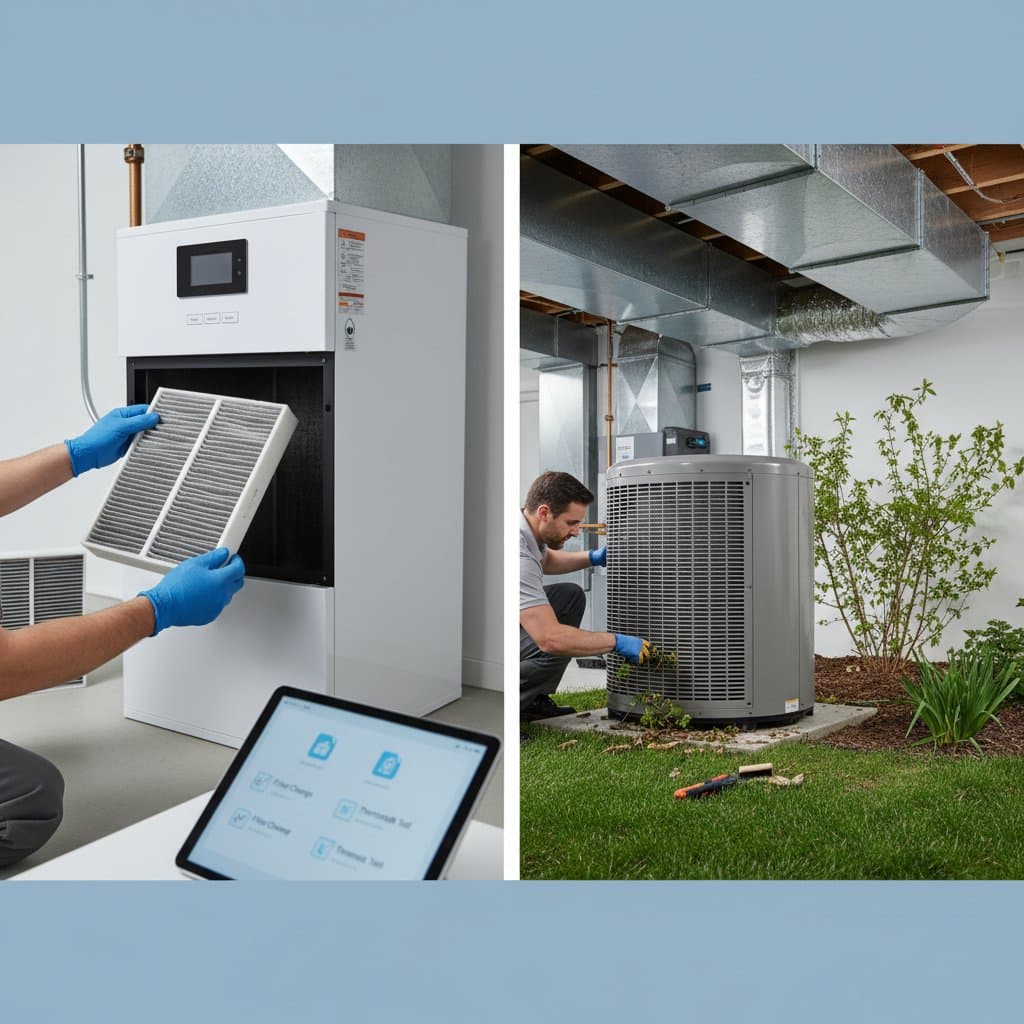
Replace or clean filters. Dirty filters restrict airflow, reduce efficiency, and strain the system. Replace disposable filters or wash reusable ones every one to two months during high use periods. A new filter typically costs between 10 and 30 dollars.
-
Inspect outdoor units. Remove leaves, branches, and winter debris from around the condenser. Keep at least two feet of clearance for proper airflow. While cleaning, check the fins for bending and use a fin comb to straighten them if needed.
-
Check thermostat settings. Switch the system from heating to cooling and test the temperature response. Smart thermostats sometimes require recalibration after a long winter. This quick test prevents surprises on the first hot day.
-
Examine ductwork and vents. Look for visible dust, moisture, or loose connections. Seal any small gaps with foil backed tape, not cloth duct tape. If airflow feels weak, professional duct cleaning may be worth the cost, usually between 300 and 500 dollars for an average home.
-
Test electrical connections. Turn off power before inspecting. Look for corrosion or frayed wiring. Loose connections cause voltage drops that can damage motors. If electrical issues appear, call a licensed technician rather than attempting repairs.
When to Call in a Professional
DIY maintenance covers the basics. Systems more than a few years old benefit from professional service at least once a year. A technician can check refrigerant levels, test system pressure, and clean coils with specialized equipment. Expect to pay between 100 and 250 dollars depending on location and system size. The cost is minor compared to replacing a failed compressor, which can exceed 1,200 dollars.
Building Consistent Maintenance Habits
The most reliable HVAC systems receive treatment as long term investments rather than forgotten appliances. Keep a simple log of each filter change and inspection date. Schedule maintenance before peak cooling season when technicians have more availability and often lower rates.
Pair this schedule with small habits such as keeping blinds closed during midday heat and vacuuming vents regularly. These steps maintain efficiency over time. A short afternoon of preventive care each spring extends HVAC system lifespan, lowers monthly bills, and keeps the home comfortable without interruption.