
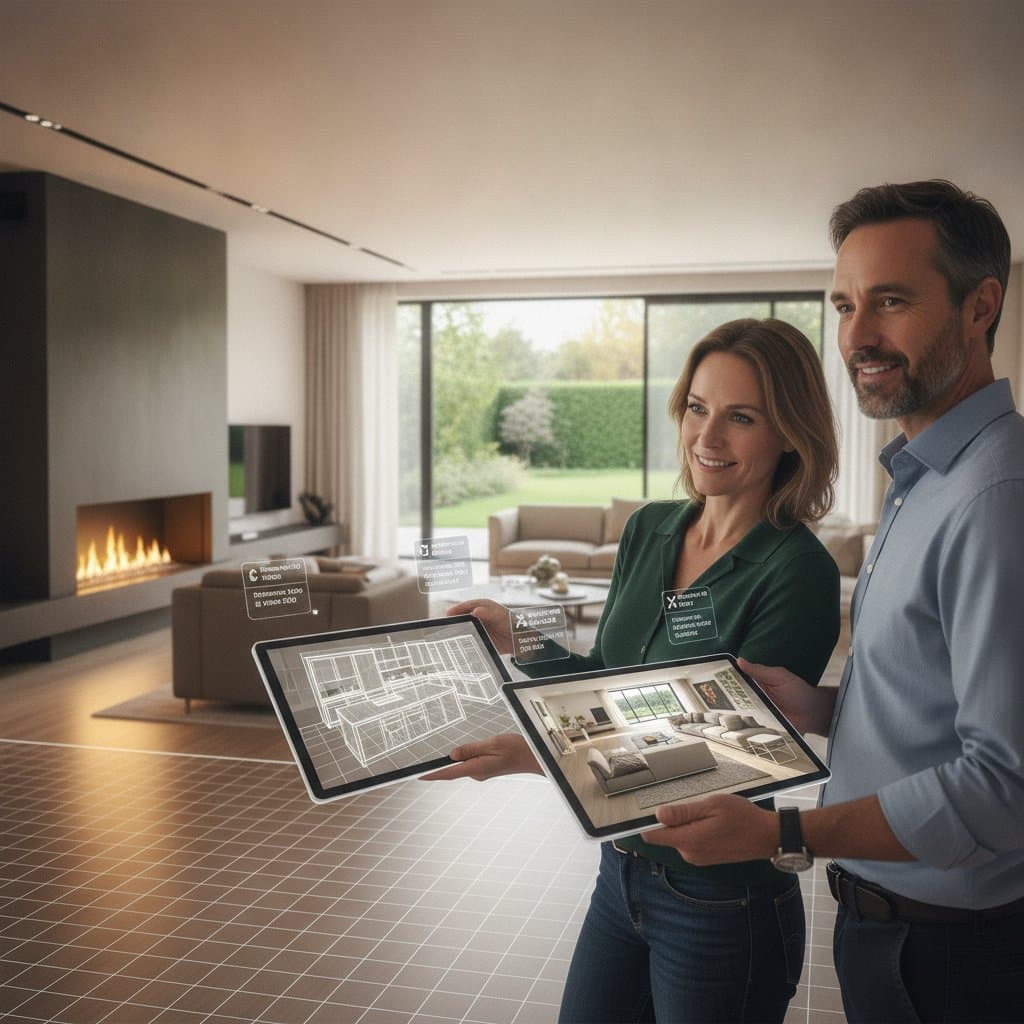
AI Design Tools That Improve Remodel Plans
The first time a homeowner drags a digital wall across a virtual floor plan, an idea begins to take shape in three dimensions. Affordable AI design tools now place this capability in the hands of ordinary users. These platforms deliver accurate plans, sustainable options, and reduced stress throughout the renovation process.
The strength of these tools rests in their combination of creative input with supporting data. A remodel shifts from a series of guesses about colors and measurements to a guided sequence that incorporates predictive analysis, budget tracking, and visual modeling.
Moving From Guesswork to Guided Creation
Even a modest kitchen update once required leaps of faith about layout efficiency and natural light. AI design software addresses these questions through analysis of room dimensions, structural constraints, and lighting conditions. Users see potential outcomes before any funds are committed.
Platforms such as Planner 5D and RoomGPT apply machine learning to produce multiple layout options from an uploaded photo or sketch. The generated renderings display furniture placement, paint colors, and material interactions while accounting for traffic flow, light distribution, and proportional scale.
Maintaining Cost Transparency
Cost overruns represent a primary concern in remodeling projects. Integrated calculators within AI tools update estimates instantly when design elements change. Selection of a new countertop material immediately revises the projected total and reveals the financial effect of each decision.
Homeowners on limited budgets benefit from this clarity. Houzz Pro and Cedreo connect cost estimates to local material and labor rates. A small bathroom project may fall between three and eight thousand dollars depending on selected finishes. Visibility of these figures before construction reduces the likelihood of mid-project budget surprises.
Certain platforms also project long-term return on investment. Replacement of windows with energy-efficient models displays both upfront costs and anticipated utility savings, supporting decisions that balance environmental and financial factors.
Improving Collaboration With Professionals
AI design tools serve as communication bridges between homeowners and contractors. Interactive three-dimensional models replace vague verbal descriptions. Professionals can review plans, add measurements or notes, and flag issues at an early stage.
SketchUp AI and Homestyler generate shareable models that update across devices in real time. This shared access decreases misunderstandings that lead to delays and supports more accurate quotes and schedules. Some applications reference local building codes to identify compliance concerns before construction begins.
Previewing Style Choices Accurately
Indecision over finishes often extends project timelines. AI tools reduce this uncertainty through image generation and augmented reality previews. Users can test a tile pattern under specific lighting conditions or evaluate how a paint color interacts with existing flooring.
ReimagineHome and Interior AI produce realistic previews from uploaded photographs within minutes. Homeowners can compare Scandinavian minimalism against rustic farmhouse elements without physical samples. The software also suggests complementary palettes based on visual harmony calculations.
Combining User Control With Expert Input
Effective AI platforms encourage creative ownership while indicating when professional assistance is required. They recommend consultation for structural modifications or electrical work and can connect users with licensed contractors for plan review.
This arrangement preserves homeowner direction over aesthetics while routing safety and compliance matters to qualified experts. Projects involving wiring, plumbing, or load-bearing elements still require certified verification beyond AI recommendations.
Incorporating Sustainability Metrics
Design software increasingly embeds environmental analysis. Autodesk Forma models energy performance, daylight exposure, and material sustainability. Users can compare insulation types, window placements, or roof colors against projected energy use.
The resulting data supports selections that lower operating costs. Upgrades to eco-friendly flooring or efficient lighting shift from abstract goals to measurable outcomes. Improved insulation and lighting layouts often enhance daily comfort in addition to reducing energy consumption.
Practical Steps for Effective Use
- Record precise measurements of all walls, windows, and doors before importing data into any platform.
- Test multiple layouts within the software to compare outcomes prior to final selection.
- Cross-checkmaterial costs against current local supplier quotes to account for regional price differences.
- Prioritize materials with low VOC emissions, recycled content, or extended durability where metrics support these attributes.
- Engage licensed professionals for any work affecting structure, electrical systems, or code compliance.
Applying the Completed Digital Plan
Once the model reaches a satisfactory state, export the files for contractor review and permitting. The same three-dimensional views used during planning continue to guide material ordering and installation sequencing. Homeowners retain a documented record of decisions that supports both execution and future maintenance.