
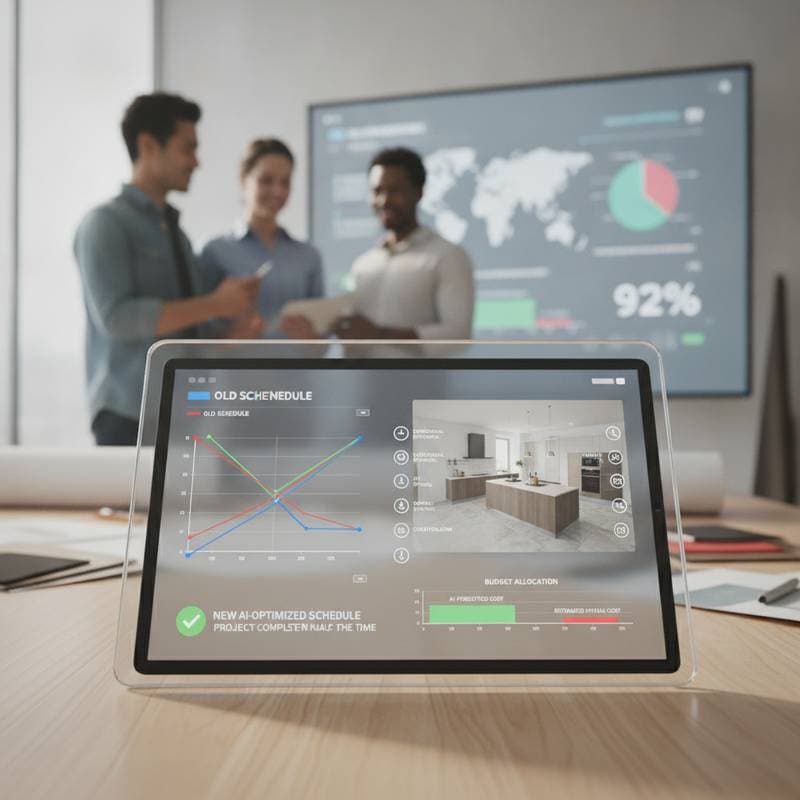
AI Remodeling Planners Transform Project Timelines
When homeowners start a renovation, one truth quickly becomes clear. Even the best laid plans can unravel fast. Delays pile up, schedules shift, and costs stretch. The rise of AI remodeling planners is changing that story. These intelligent systems use data driven scheduling, predictive cost modeling, and real time progress tracking to help homeowners and contractors streamline every stage of a project. The result is faster completion times, fewer budget surprises, and smarter decision making from start to finish.
This article explores how AI remodeling planners work, what makes them different from traditional project management tools, and how they can transform both weekend DIY projects and full scale home renovations.
The System Behind Smarter Renovation Planning
AI remodeling planners apply systems thinking to every renovation phase. They break projects into interconnected components and map how each stage affects the others. This approach allows users to see potential bottlenecks before they appear and to make data backed decisions early.
Phase 1: Project Scoping
At the initial stage, the planner gathers inputs such as square footage, room type, material preferences, and local labor rates. The AI then generates a preliminary cost and time estimate. This creates a clear baseline and helps homeowners understand whether their goals align with their budget.
Example:
A user enters plans for a kitchen remodel with quartz countertops, new cabinetry, and mid range appliances. The AI compares it to thousands of previous kitchen projects to estimate a cost range of $18,000 to $26,000, with an eight to ten week timeline. It also highlights potential cost drivers like custom cabinet fabrication or high end finishes.
Phase 2: Scheduling and Task Sequencing
Once scope and costs are set, the AI designs an optimal timeline. It identifies dependencies between tasks, such as ensuring electrical work is complete before drywall installation. It then assigns realistic durations to each stage based on local labor productivity data.
Key benefits:
- Eliminates scheduling overlaps
- Reduces idle time between subcontractors
- Allows for better coordination of material deliveries
Phase 3: Real Time Tracking and Adjustments
As work begins, the AI tracks progress through app based updates or smart sensor integrations. If a delay occurs, such as a late plumbing inspection, the system automatically recalculates timelines and notifies all parties of the new schedule. This keeps communication transparent and reduces costly downtime.
Phase 4: Completion Analysis
Once the project is complete, the planner generates a performance report showing time and cost variances. This data helps homeowners and contractors refine future projects and improve efficiency.
Cost and Access: What Homeowners Can Expect
AI remodeling planners range from free versions for small projects to premium platforms used by design firms and general contractors. Pricing often depends on the project size and the number of collaborators.
| Project Size | Typical Tool Type | Estimated Cost | Common Features |
|---|---|---|---|
| Small DIY (under $10,000) | Mobile app or web tool | Free to $25 per month | Basic scheduling, material lists |
| Mid size renovation ($10,000 to $50,000) | Subscription software | $30 to $75 per month | Smart budgeting, supplier integration |
| Large remodel (over $50,000) | Professional grade AI suite | $100 to $300 per month | Predictive analytics, contractor collaboration |
For homeowners testing the waters, starting with a free or low cost planner can reveal whether the AI structure matches their workflow. Many platforms offer trial versions that allow users to experiment with project templates before subscribing.
Troubleshooting Common Issues
Even advanced technology faces occasional challenges. Understanding potential pitfalls helps users avoid frustration and maximize the system benefits.
1. Inaccurate Initial Data
AI predictions are only as good as the information provided. If users underestimate square footage or omit scope details, the system forecasts will skew low. Always double check measurements and include detailed descriptions of finishes and fixtures.
2. Overreliance on Automation
AI tools excel at pattern recognition, but they cannot fully replace human judgment. A professional should still verify that material choices comply with local codes and that subcontractor timelines are realistic.
3. Connectivity Requirements
Most AI planners rely on cloud based platforms. If internet access is unreliable at a job site, updates may lag. Using mobile offline modes or syncing data during breaks can help maintain accuracy.
4. Privacy Concerns
Some homeowners worry about sharing project data online. Reputable platforms use encrypted storage and privacy controls that let users restrict contractor access to only necessary information.
Making It Happen
Adopting an AI remodeling planner can feel like a big shift, but the payoff is substantial. The more you use the system, the smarter it becomes, refining its recommendations based on your past projects and preferences. To get started:
- Define your project scope. Outline your goals, budget, and timeline.
- Select a platform. Pick a planner that fits your project scale and technical comfort level.
- Input detailed data. Include accurate measurements, materials, and contractor information.
- Review AI suggestions. Compare the planner recommendations with your priorities.
- Track and adjust. Use the real time dashboard to monitor progress and adapt as needed.
Within a few weeks, you will start to notice smoother coordination, fewer surprises, and a clearer view of your renovation progress.
Long Term Benefits
The advantages of AI remodeling planners extend beyond a single project. Over time, homeowners build a library of data that can inform future upgrades. Knowing exactly how long a tile install took or how much a basement finish cost helps you plan future work with confidence.
AI remodeling planners are not just digital calendars. They are evolving systems that learn how to make renovation smoother, faster, and more predictable.