
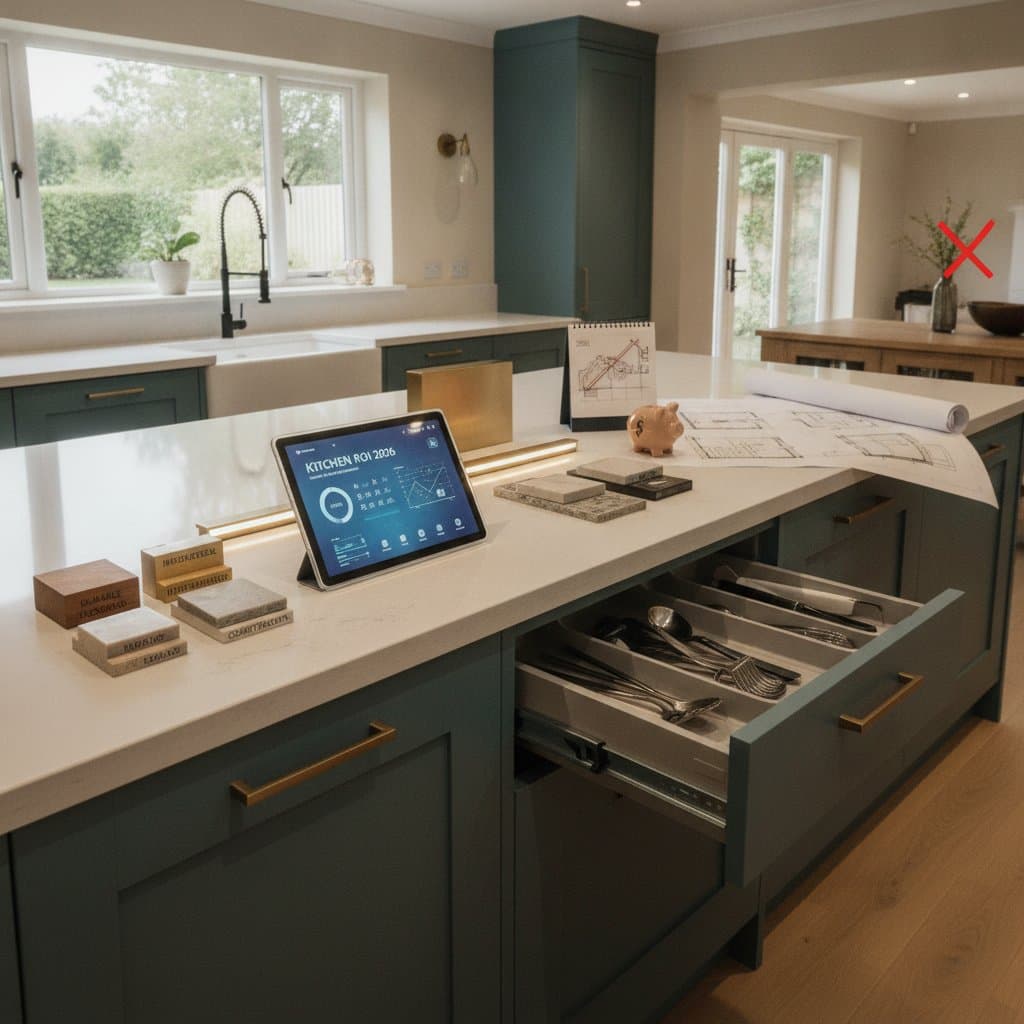
Kitchen ROI Calculator: Which Upgrades Actually Pay Back
A kitchen upgrade can improve daily life and strengthen resale appeal, but not every expensive choice pays back. The practical answer is to compare project cost, expected value, useful life, and buyer demand before ordering cabinets or breaking up the floor.
A modest kitchen refresh often costs between eight thousand and twenty five thousand dollars, while a major remodel can reach thirty five thousand to ninety thousand dollars or more. Regional labor rates, permits, layout changes, material quality, and home size move those numbers quickly. A simple return on investment calculation helps you spend where the kitchen gains function and broad appeal.
Key Points
- Cosmetic updates usually offer the strongest value per dollar.
- Layout changes require careful budgeting because plumbing, electrical, and permits add cost.
- A realistic ROI estimate subtracts the project cost from the added home value, then divides by the project cost.
- DIY work can reduce labor expenses, but electrical, gas, structural, and plumbing work often belongs with licensed professionals.
- Neutral, durable finishes generally appeal to more buyers than highly personal designs.
How to Calculate Kitchen ROI
Use this basic formula:
ROI percentage equals estimated added home value minus project cost, divided by project cost, multiplied by one hundred.
Suppose a kitchen refresh costs eighteen thousand dollars and increases market value by twenty seven thousand dollars. The calculation is twenty seven thousand minus eighteen thousand, divided by eighteen thousand, equals fifty percent.
That figure is an estimate, not a guarantee. Appraisers and buyers judge the entire property, including neighborhood demand, floor plan, condition, storage, and competing listings.
A useful calculator should include more than cabinets and countertops. Add demolition, disposal, delivery, design fees, permits, inspections, temporary cooking arrangements, contractor overhead, and a contingency reserve of ten to twenty percent. Older homes deserve the higher reserve because concealed wiring, plumbing, and framing problems appear more often once walls and floors open.
Which Kitchen Upgrades Usually Pay Off
Cabinet Refacing and Paint
If cabinet boxes are solid and the layout works, refacing can cost between four thousand and twelve thousand dollars, depending on size and materials. Professional painting may cost between one thousand five hundred and five thousand dollars, while careful DIY painting can cost less than one thousand dollars for supplies.
Replace damaged doors, worn hinges, and outdated pulls. Soft close hinges, full extension drawer slides, and organized interior storage improve the experience without consuming the budget. Buyers often notice clean lines and useful storage before they care about premium wood species.
Refacing is a poor choice when boxes are warped, water damaged, or poorly arranged. Spending on attractive doors will not fix a kitchen that lacks work space or has unsafe clearance.
Countertops and Sink Improvements
New countertops commonly cost between two thousand five hundred and eight thousand dollars, with material and edge details driving the range. Quartz offers consistent appearance and low maintenance, while granite remains durable when properly sealed. Laminate can provide a clean, affordable result, especially in a starter home or rental property.
A deeper sink, pull down faucet, and practical landing space near the refrigerator can improve function immediately. Avoid selecting a surface solely for appearance. Dark polished stone shows dust and water spots, while delicate materials may require care that future owners do not want.
Lighting and Electrical Updates
Layered lighting is one of the most affordable ways to make a kitchen feel newer. Budget between eight hundred and three thousand five hundred dollars for a professional lighting update, depending on fixture count and wiring access. Combine ceiling lighting, under cabinet task lighting, and a controlled decorative fixture over an island or table.
A licensed electrician should evaluate overloaded circuits, missing ground fault protection, aluminum wiring, and outdated panels. Kitchens typically need dedicated circuits for major appliances, plus ground fault circuit interrupter protection in appropriate receptacle locations. Local electrical rules vary, so confirm requirements with the building department before work begins.
Flooring and Appliance Replacement
Durable flooring may cost between two thousand and seven thousand dollars, including removal and installation. Luxury vinyl tile offers water resistance and a manageable price, while porcelain tile provides longevity but demands a flat, properly prepared surface.
Appliances can consume between four thousand and fifteen thousand dollars as a group. Replace failing or mismatched units first. Energy efficient models may reduce operating costs, but the payback depends on usage, utility rates, and purchase price. Do not buy oversized appliances that reduce cabinet storage or require expensive electrical and ventilation changes.
When a Full Remodel Makes Financial Sense
A full remodel becomes easier to justify when the existing kitchen has multiple problems, such as unsafe wiring, failing plumbing, inadequate ventilation, water damage, or a layout that blocks movement. Typical costs range from thirty five thousand to ninety thousand dollars, with luxury projects exceeding that range in high cost metropolitan areas.
Layout changes often require permits and inspections. Moving a sink can involve water supply lines, drain slope, venting, flooring repairs, and cabinet modifications. Moving a gas appliance requires licensed gas work and pressure testing in many jurisdictions. Removing a wall requires professional verification because it may support the structure or contain utilities.
The strongest financial case usually comes from a midrange functional remodel, not an ultra high end kitchen in a modest neighborhood. Match the finish level to nearby homes. A project that dramatically exceeds local expectations may look beautiful while recovering less of its cost during resale.
DIY or Professional Help
DIY work makes sense for painting, hardware, simple backsplash installation, open shelving, and some flooring projects. Plan on a weekend for hardware and touch up work, several days for painting, and additional time for flooring or tile when surface preparation is required.
Hire professionals for gas, structural changes, new circuits, panel work, major plumbing, asbestos concerns, and ventilation modifications. A licensed contractor should provide a written scope, proof of insurance, references, license information where required, payment milestones, and a clear change order process.
Red flags include a contractor requesting nearly the full payment upfront, refusing permits, offering a price far below competing bids, or avoiding written details. Obtain at least three comparable estimates. Ask each bidder to identify allowances, exclusions, disposal costs, and the person responsible for inspections.
Protecting the Investment
Before starting, photograph existing conditions and save product specifications, receipts, permits, inspection approvals, and warranties. Notify your insurer if the project changes plumbing, electrical systems, square footage, or major equipment. Unreported work can complicate a future claim.
Confirm whether the remodel requires a building, electrical, plumbing, mechanical, or gas permit. Permit rules vary by municipality, even within the same region. Inspections protect you by documenting that concealed work met local standards. They can also prevent resale delays when a buyer asks for renovation records.
Ventilation deserves special attention. A properly sized range hood that vents outdoors can reduce grease, moisture, and odors. Recirculating units may be acceptable where exterior venting is impractical, but they usually provide weaker moisture control.
Pro Tips for Success
Build the ROI estimate in three levels:
- Essential work includes safety repairs, water damage, failing appliances, and code corrections.
- High value improvements include lighting, storage, durable counters, cabinet repair, and practical flooring.
- Personal upgrades include specialty appliances, bold tile, luxury hardware, and custom features.
Fund the first two levels before adding personal upgrades. This order protects the budget and makes the kitchen easier to sell later.
Maintaining Your Investment
Clean spills promptly, inspect the sink cabinet for leaks, refresh caulk when it separates, and follow manufacturer care instructions for counters and flooring. Test ground fault protection according to the device instructions, keep hood filters clean, and adjust cabinet hardware when doors begin to sag.
A successful kitchen remodel should feel better every day, not merely photograph well. Start with the defects that threaten safety or value, spend on improvements that many households can use, and reserve the final portion of the budget for personality.