
2026 Smart Home Costs: Key Factors Driving Remodel Expenses
Homeowners considering smart technology integration during a remodel must prepare for evolving price points. Automation systems advance rapidly, yet the expenses associated with connectivity and convenience frequently exceed initial projections. This analysis examines the elements inflating costs, outlines methods for developing a practical budget, and identifies opportunities to secure value without unnecessary expenditure.
Whether the project involves a single room or a comprehensive home overhaul, informed planning prevents financial surprises and supports informed decisions.
Overlooked Expenses in Smart Home Projects
The allure of automated features, such as voice-activated appliances or self-adjusting lighting, often overshadows less visible costs that emerge during implementation.
Integration Challenges Across Brands
Products from various manufacturers may lack seamless interoperability. For instance, a selected smart lock might fail to connect with an existing security platform, or a lighting setup could demand an additional hub. Each disparate system introduces extended configuration efforts, increased vulnerability to malfunctions, and potential recurring charges. Homeowners beginning anew benefit from selecting a unified brand ecosystem and prioritizing certified compatible devices.
Professional Installation Compared to Self-Installation
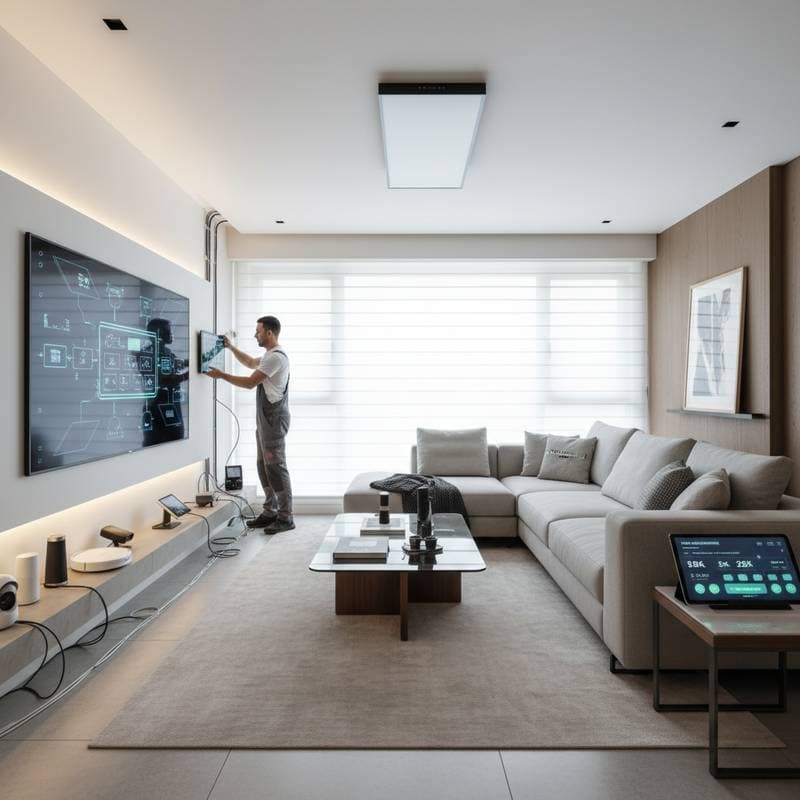
Basic devices like plugs and bulbs lend themselves to self-installation, but intricate automation demands expert configuration. Certified technicians charge between $75 and $150 per hour, with complete setups requiring 10 to 40 hours based on home scale. These fees represent a substantial portion of the overall budget, particularly if the primary contractor excludes technology integration.
A balanced method proves effective: manage straightforward installations personally while engaging professionals for advanced elements like structured wiring, climate controls, and surveillance.
Electrical Capacity and Hazard Assessments
Additional smart components consume electricity, and features such as radiant flooring or motorized shades often require isolated circuits. Overloading an existing system without evaluation risks frequent disruptions or failures. Engage a licensed electrician to inspect the electrical panel prior to expansion; this evaluation typically ranges from $300 to $800 and averts costly repairs or hazards.
Effective Budgeting Approaches for Smart Upgrades
Incorporating automation into a remodel invites the risk of funding flashy but underutilized features. The optimal path emphasizes enhancements to daily living through improved security, comfort, and resource management.
Focus on Energy-Saving Technologies
Devices like programmable thermostats, automated lighting, and usage trackers deliver measurable returns. A properly configured thermostat reduces consumption by as much as 10 percent, and sensor-based lights minimize idle power draw. Monitor outcomes with dedicated software to confirm tangible benefits.
Implement Phased Implementation
Rather than a full-scale rollout, develop a sequential upgrade schedule. Establish core infrastructure, including switches and networking, before advancing to specialized areas like automated cooking spaces or entertainment zones. This tactic distributes expenses across periods and allows assessment of practical utility prior to further investment.
Combine High-End and Affordable Options
Uniform reliance on premium brands proves unnecessary. Reliable mid-tier alternatives now provide strong performance and interoperability. Allocate higher budgets to prominent elements, such as visible controls, while opting for economical choices in less noticeable items like detectors or outlets. This blend can decrease overall spending by 20 to 40 percent with minimal impact on functionality.
Essential Safety and Privacy Measures
Automation enhances usability but raises risks related to security and data protection. Implement robust passwords and two-factor verification on all devices. Customize network identifiers to obscure device details. Where feasible, create a dedicated Wi-Fi segment for automation to shield it from primary networks.
Physically, ensure every automated function includes manual alternatives. Outages or errors should not impede access to critical controls like temperature regulation or illumination. Addressing these during setup enhances long-term dependability.
Ensuring Long-Term Adaptability
Rapid technological shifts render current innovations obsolete quickly. Select manufacturers offering extended support through firmware updates and adherence to open protocols. Steer clear of closed systems that limit flexibility to a single provider.
For embedded installations, request provisions like additional pathways or access points to facilitate future modifications without structural disruption. View the smart home as a developing framework, allocating reserves for periodic hardware refreshes or service fees.
Sustaining System Performance
Post-installation, treat automation like other home infrastructure by conducting routine upkeep. Perform software updates regularly, swap sensor batteries biannually, and adjust routines to align with lifestyle changes. Clean sensors and optics periodically to maintain accuracy.
For renters or sellers, compile detailed records of configurations and credentials. Modern buyers value integrated systems, and organized documentation with warranty transfers elevates property attractiveness.
Executing Your Smart Home Vision
Achieving a responsive living environment demands strategic foresight, fiscal discipline, and familiarity with operational principles. Identify core needs, determine desired automation levels, and proceed incrementally. From an initial thermostat to a networked residence, progressive enhancements yield a tailored, intuitive space.
Prioritize enduring advantages, safeguard against vulnerabilities, and advance deliberately. Thoughtful preparation transforms a smart remodel into a source of sustained efficiency and satisfaction within budget constraints.