
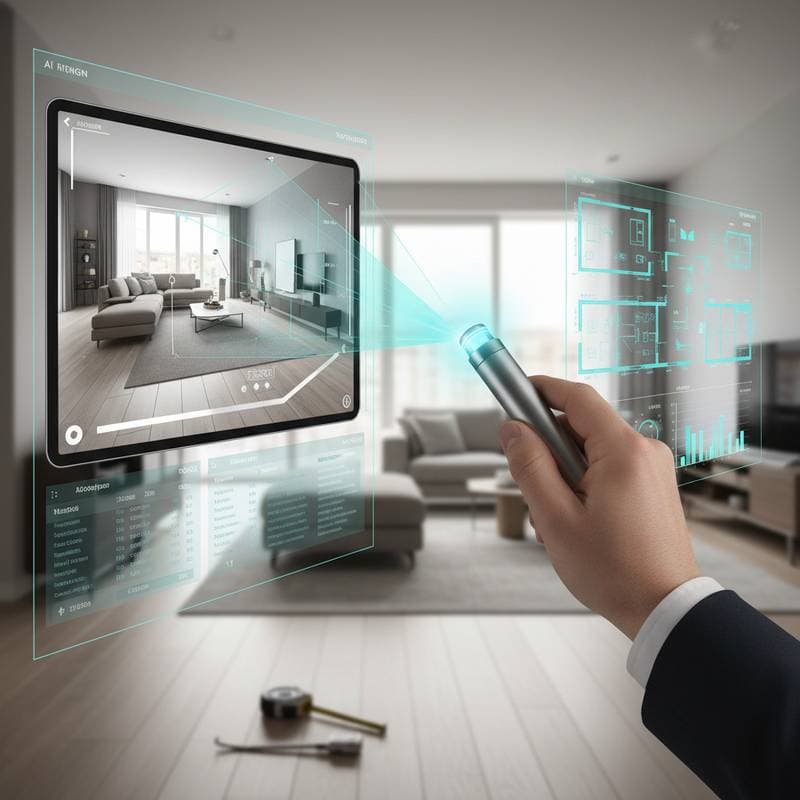
The Rise of AI Room Scanners in Home Renovation
Envisioning a transformed room often proves challenging when translating ideas into actionable plans. AI room scanners address this by leveraging smartphone cameras and intelligent algorithms to capture spaces, determine dimensions, and preview modifications swiftly. Homeowners and professionals alike benefit from this technology, which streamlines the path from concept to execution.
These scanners integrate seamlessly into contemporary home improvement practices. For kitchen updates, complete overhauls, or furniture rearrangements, applications generate detailed 3D representations within minutes. Such models enable project visualization without initial expenditures, minimizing errors and subsequent regrets.
Mechanics of AI Room Scanning Technology
AI scanners typically combine device cameras, LiDAR sensors where available, and sophisticated algorithms to produce a virtual replica of the environment. The system detects structural elements like walls, fixtures, and doorways, then assembles them into an interactive 3D framework. Users subsequently modify surfaces, reposition items, and evaluate material options in this digital space.
Certain applications connect with e-commerce sites and design ecosystems. This integration allows placement of authentic brand furnishings within the scanned area for realistic fit assessments. Additional features link to building management tools, automating floor plan creation and preliminary budgeting.
Standard scanning procedure:
-
Launch the application and initiate a new scan.
Remove obstacles and optimize illumination to facilitate precise edge recognition by the camera. -
Navigate the space methodically.
Hold the device steady while circling the room to document all surfaces and angles comprehensively. -
Review and refine dimensions.
The interface presents calculated measurements; make manual corrections as necessary for precision. -
Adapt the digital model.
Alter surface treatments, relocate elements, and simulate various illumination or texture scenarios. -
Distribute the finalized design.
Transmit the file to specialists, collaborators, or stakeholders for input and approval.
This sequence accommodates novices while delivering robust outputs for experts preparing estimates or regulatory filings.
Balancing DIY Efforts with Professional Expertise
AI scanners encourage self-directed project management, yet not all tasks suit independent handling. Scanning and preliminary design remain accessible for individuals, but alterations involving load-bearing elements, wiring, or piping demand certified specialists.
Employ AI tools primarily for initial planning and simulation, reserving implementation for qualified teams. Present the digital model to builders for validation against standards and regulations. Professionals value these assets, as they accelerate quotations, resource allocation, and approval processes.
Projects suitable for DIY with AI support:
- Optimizing furniture placements and spatial efficiency
- Simulating paint selections and fixture illuminations
- Previewing floor coverings and surface treatments
- Strategizing replacements for cabinets or accessories
Projects necessitating professional intervention:
- Demolishing or altering walls and frameworks
- Modifying electrical circuits or water systems
- Relocating heating, ventilation, or air conditioning units
- Reinforcing or adjusting structural supports
These technologies foster clearer exchanges between visionaries and implementers, curbing misunderstandings and revisions.
Selecting an Optimal AI Scanning Application
Application choice hinges on project scope. Basic visualization of arrangements favors user-friendly platforms with retail integrations. Extensive structural work requires tools compatible with industry standards such as DWG or IFC files.
Key evaluation factors:
- Precision in measurements: Prioritize platforms utilizing LiDAR or advanced depth sensing for superior fidelity.
- Device integration: Confirm compatibility with your hardware's sensor capabilities.
- Creative functionalities: Seek capabilities for hue analysis, material swaps, and light modeling.
- Output versatility: Select options enabling seamless transfers to professional software or teams.
- Assistance quality: Opt for developers offering prompt resolution for technical issues.
User feedback from recent evaluations provides insights into performance across devices and user proficiencies.
Launching Your Renovation with AI Precision
Commence home enhancements by conducting an AI scan to establish clarity and efficiency. This approach dispels uncertainties, solidifies objectives, and lays a dependable groundwork for endeavors of any scale.
Strategies for effective implementation:
- Conduct an initial scan as a trial, then iterate to enhance detail.
- Explore diverse configurations within the model prior to final selections.
- Distribute scans to experts promptly to prevent scheduling disruptions.
- Archive models digitally for ongoing reference or subsequent modifications.
AI room scanners convert arduous planning into an engaging, cooperative endeavor. Experience virtual tours of prospective spaces, from culinary areas to lounges, prior to any physical alterations.