
Key Points
- Smart home remodels redefine efficient and comfortable living through integrated technology.
- Mastery of cost calculators prevents unexpected financial burdens.
- Emphasis on realistic pricing, safety enhancements, and integration strategies ensures enduring satisfaction.
- Expert guidance proves essential for energy, electrical, and security system implementations.
When Technology Meets Home Design
Imagine entering your kitchen as lights illuminate automatically, coffee brews on schedule, and a preferred playlist plays through concealed speakers. This vision of complete home automation lies within grasp, yet the shift demands more than installing isolated smart devices. Homeowners must grasp how expenses escalate, which systems integrate seamlessly, and where investments yield tangible benefits.
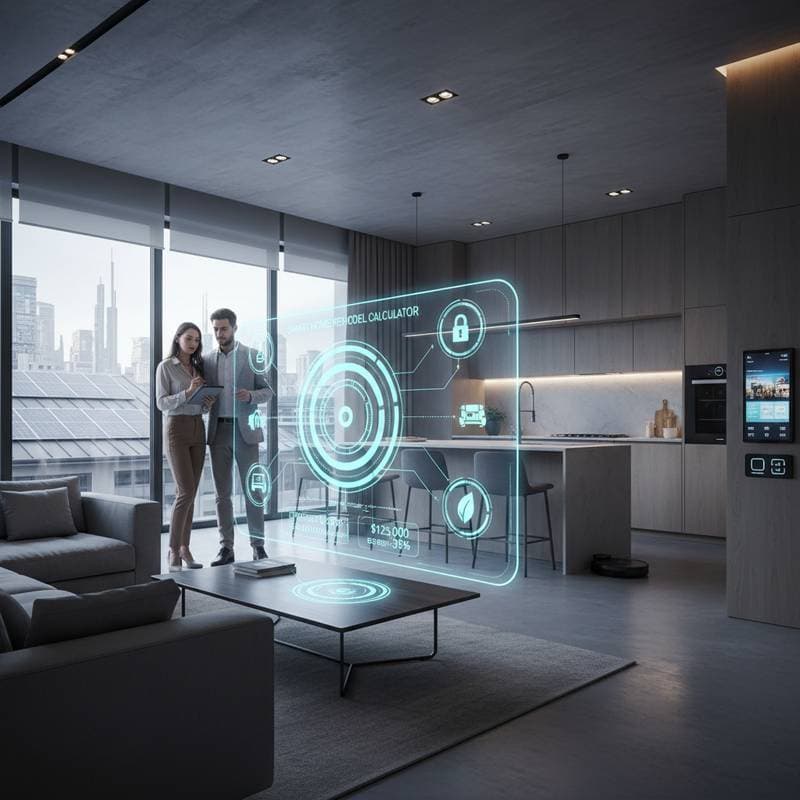
Numerous individuals initiate their smart home experience with modest enhancements, such as voice-activated lighting or networked thermostats. The appeal of ease propels further exploration. Discussions soon turn to comprehensive hubs, automated shades, intelligent locks, and energy oversight tools. Absent a methodical approach, expenditures mount rapidly. Here, a smart home remodel cost calculator proves indispensable for maintaining control.
Understanding the Smart Home Cost Equation
Expenses for smart home remodeling fluctuate considerably according to property dimensions, integration intricacy, and device caliber. A fundamental configuration of smart lighting and thermostats may span $800 to $2,000. In contrast, a comprehensive automation network encompassing lighting, security, heating, ventilation, air conditioning, entertainment, and appliances could total $15,000 to $60,000. High-end installations featuring bespoke programming, specialized control areas, and sophisticated energy oversight might surpass $100,000.
Dependable calculators align aspirations with feasible outcomes. They dissect budgets into distinct categories:
- Core Automation Systems: Central hubs, intelligent speakers, and interface panels.
- Energy Management: Networked thermostats, solar linkages, and optimized heating, ventilation, and air conditioning controls.
- Security: Surveillance cameras, electronic locks, motion detectors, and alert mechanisms.
- Lighting and Shading: Intelligent bulbs, switches, and motorized window coverings.
- Entertainment: Distributed audio setups, streaming centers, and theater management systems.
Each segment involves concealed installation and compatibility fees. Calculators disclose not only hardware costs but also the necessity of skilled labor for cabling, network setup, and regulatory adherence.
The Hidden Variables That Affect Your Budget
Smart home remodeling extends beyond device acquisition. Substantial cost factors emerge from infrastructural modifications and interoperability hurdles. Outdated electrical wiring or feeble Wi-Fi coverage in vital zones may necessitate router enhancements or signal extenders, appending $200 to $1,000 to the overall sum.
Chosen integration frameworks also impact finances. Certain owners select proprietary systems for heightened security, while others opt for versatile open architectures. Proprietary setups typically mandate accredited technicians, elevating labor expenses yet guaranteeing dependability and vendor assistance.
In various locales, electrical modifications for intelligent panels or automated shading demand adherence to precise building codes. Qualified electricians charge $75 to $150 per hour, contingent on task complexity. Incorporating these elements into a cost calculator averts abrupt fiscal pressures.
DIY or Professional Installation?
The appeal of self-installation grows with increasingly accessible devices. Placing smart plugs or voice interfaces requires minimal effort, but comprehensive automation frequently necessitates specialist knowledge. Errors in cabling or configuration risk operational breakdowns or security vulnerabilities.
Consider this decision-making structure:
- DIY-Friendly Projects: Intelligent bulbs, plugs, voice interfaces, and basic thermostats.
- Hybrid Approach: Merging self-managed lighting with expert deployment for heating, ventilation, air conditioning, or security.
- Professional Only: Electrical overhauls, unified entertainment networks, and tailored intelligent panels.
Expert deployments commonly encompass guarantees, firmware refreshes, and support services. Such assurances justify elevated initial outlays through sustained reliability.
Maximizing Return on Investment
Smart home enhancements transcend mere convenience; they elevate property worth and curtail ongoing costs. Energy-conserving illumination and climate regulation diminish utility payments by 10 to 20 percent. Security and surveillance features yield insurance discounts in select regions.
To heighten returns, target multifunctional upgrades. Smart lighting elevates atmosphere while curbing consumption. Linked heating, ventilation, and air conditioning systems refine comfort alongside energy analytics. Within a cost calculator, prioritize attributes that fuse opulence with practicality.
Sustainability and Longevity
Intelligent technologies ought to advance ecological responsibility rather than undermine it. Seek components that permit recycling, exhibit minimal idle power draw, and benefit from consistent software maintenance. Steer clear of items dependent on single-use batteries or fleeting cloud infrastructures.
Prior to acquisition, verify compatibility of the central hub with forthcoming additions. Scalable architectures forestall expensive overhauls. This forward-thinking perspective parallels resilient design principles. Homes evolve intelligently across years, minimizing recurrent expenditures.
Troubleshooting Common Issues
Smart home projects involve inevitable adjustments. Intermittent connections, synchronization lapses, or sluggish reactions mark initial challenges. A sturdy network foundation resolves many problems. Mesh Wi-Fi deployments ensure stable coverage across expansive areas.
Routine firmware updates mitigate interoperability glitches. Cable labeling during setup prevents subsequent disarray. For intricate configurations, compile a digital inventory detailing each device's model, identifier, deployment date, and access details. This practice streamlines diagnostics and expansions.
Pro Tips for Success
- Start Small, Expand Strategically: Test preferences in a single room prior to whole-home rollout.
- Prioritize Energy Efficiency: Thermostats and lighting deliver rapid financial recoveries.
- Plan for Backup Control: Retain physical switches for scenarios without network access.
- Budget Maintenance Costs: Reserve approximately 5 to 10 percent of the total for impending software or hardware refreshes.
- Consult Local Experts: Local weather patterns and regulations shape installation options and pricing.
Embracing the Benefits of Your Smart Home
With setup complete, daily life transforms seamlessly. Your residence adapts intuitively: illumination softens at dusk, temperatures align upon your return, and safeguards operate discreetly. Effective remodels integrate technology unobtrusively, enhancing routines without overwhelming them.
View the smart home as a dynamic network. Review the cost calculator yearly to monitor upkeep and pinpoint upgrades that truly advance ease, security, and environmental harmony.