
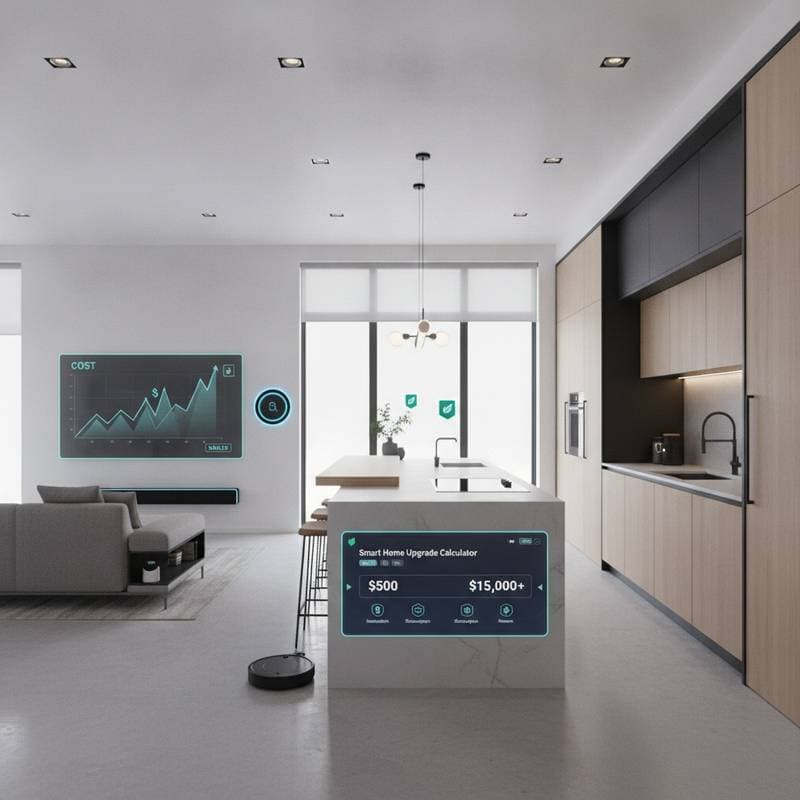
Learn the True Costs of Smart Home Tech Upgrades by 2026
If you have ever caught yourself talking to your lights or thermostat, you are already halfway into the smart home world. Many homeowners love the idea of controlling everything from their phone. Few understand the true price, setup effort, and long term value of these upgrades.
The following sections break down the investment levels. They cover budget friendly starter options through full scale automation systems.
The Smart Home Spectrum: From Starter Kits to Full Ecosystems
Not all systems integrate smoothly. The world of smart home tech divides into three main levels of investment.
Entry Level Smart Home: DIY Convenience on a Budget
Cost range: 500 dollars to 1,000 dollars. Timeframe: one weekend or less.
At this level you select plug and play devices for self installation. These include smart plugs, bulbs, and voice assistants. They connect through Wi Fi and require only an app download plus a few setup steps.
Common upgrades include smart bulbs for lighting control, smart plugs for appliances, voice assistants, and basic smart thermostats.
This category offers flexibility for renters. You can relocate devices easily and test convenience without major expense.
Mid Range Smart Home: Integration and Customization
Cost range: 2,000 dollars to 7,000 dollars. Timeframe: one to two weeks.
Linking systems together raises costs yet increases convenience. Your thermostat can adjust when you leave. Lights can dim at sunset. Locks can secure at bedtime.
This level mixes DIY setups with professional help for wiring. A robust router or mesh network adds stability at 300 dollars to 800 dollars.
Typical upgrades include smart thermostats tied to HVAC, automated blinds, smart locks, and centralized hubs.
Integration during remodeling saves labor costs. It avoids later retrofitting issues.
High End Smart Home: Whole House Automation
Cost range: 8,000 dollars to 15,000 dollars. Timeframe: several weeks.
Your home becomes a fully integrated ecosystem at this scale. Lighting, climate, entertainment, and security communicate without friction. Professional installers manage wiring and programming.
Luxury systems rely on wired connections for reliability. They often feature wall mounted tablets or custom apps. Some add automated irrigation or voice controlled appliances.
This level suits major renovations or new construction. Adding smart tech proves more cost effective when wiring is accessible.
Real ROI: When Smart Tech Pays for Itself
Smart home tech delivers measurable savings beyond convenience.
Smart thermostats cut heating and cooling costs by 10 to 15 percent when paired with occupancy sensors. Smart plugs track usage to flag energy heavy devices.
Smart locks and cameras lower theft risk. Some insurers provide 3 to 5 percent discounts for monitored systems.
Buyers now expect smart features. Professionally installed systems help homes sell faster and may support higher prices.
Seasonal and Regional Considerations
Priorities shift by location. Warmer climates benefit most from smart cooling and shading. Colder regions gain from automated heating and leak detectors.
Install during renovations or maintenance periods. Technicians are already present, which reduces labor expenses.
Troubleshooting Common Issues
Even strong setups encounter glitches. Wi Fi dropouts improve when you move the router or add a mesh node. Unresponsive devices often recover after a reboot of both device and hub.
App overload resolves through a unified platform such as Apple Home or Google Home. Lag decreases when smart devices use a dedicated network band.
Maintaining Your Investment
Smart home systems require regular attention. Update firmware quarterly. Clean sensors and cameras. Test automations for correct response. Review usage reports for savings opportunities.
Planning Your Next Steps
Building a smart home centers on matching technology to your lifestyle and budget. Strategic choices create an intuitive and efficient space that evolves over time.