
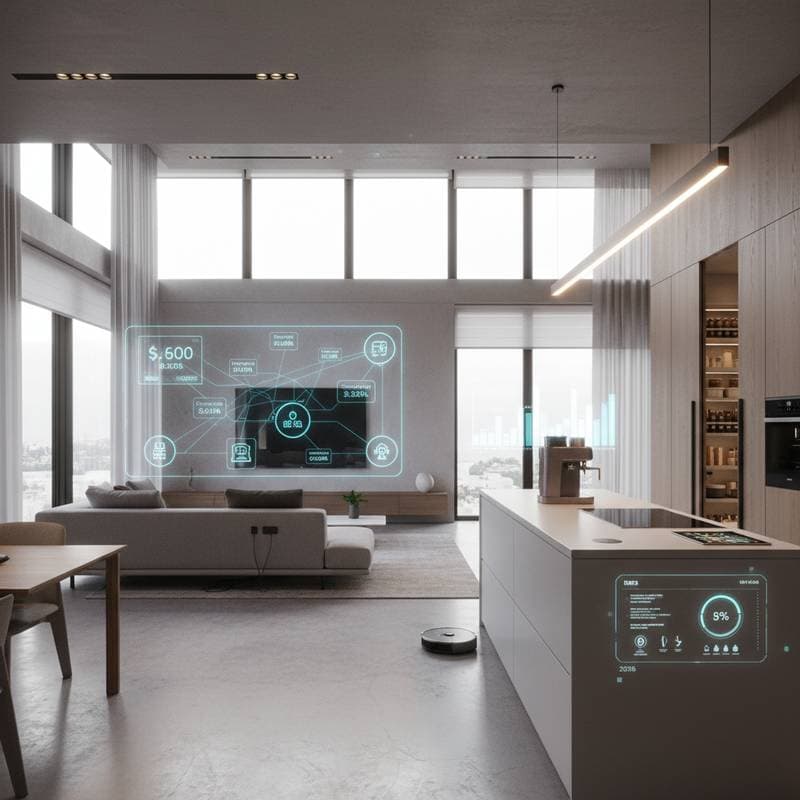
2026 Home Automation Costs: Detailed Remodel Estimates
Smart home features such as automatic lighting adjustments and learning thermostats have become practical options for many homeowners. These systems change how people approach renovations by integrating technology into daily living. Planning requires clear information on expenses to avoid unexpected charges.
This overview provides specific budget ranges, labor details, and configuration choices. It helps match upgrades to personal needs and spending limits.
Cost Ranges for Smart Home Upgrades
Converting an existing residence to support automation typically requires between 4000 and 25000 dollars. The total depends on the number of features and selected brands. Basic packages cover lighting controls and climate devices. Full integrations connect appliances, entry points, and monitoring equipment.
Breakdowns for common components are as follows:
- Smart lighting controls range from 800 to 3000 dollars for an entire residence. This covers switches, bulbs, and related modules.
- Climate management systems cost between 400 and 2500 dollars. Prices vary with the number of thermostats and sensors installed.
- Security setups fall between 1000 and 5000 dollars. Included items are cameras, locks, sensors, and monitoring services.
- Audio and media systems require 2000 to 8000 dollars for distributed sound and entertainment controls.
- Central hubs and software add 500 to 1500 dollars based on features.
- Professional installation services run from 1200 to 5000 dollars. Regional labor rates and wiring needs affect this amount.
New construction projects allow wiring during building phases. This approach reduces expenses by up to 30 percent compared with later additions.
Automation System Levels
Entry level options stay under 5000 dollars. These suit apartments or small homes with basic bulbs, one thermostat, and entry sensors. Control occurs through wireless networks and phone applications. Reliability can decrease when many devices share a single network.
Mid level configurations cost 5000 to 15000 dollars. They enable automation across multiple rooms with voice commands and stronger security. Automated window coverings and sound distribution often appear in these packages. Most owners select this range for its combination of performance and affordability.
Premium installations exceed 15000 dollars. They incorporate advanced controllers, custom scripts, and wall mounted interfaces. Integration extends to heating zones, watering systems, and detailed lighting plans. Concealed cables and coordination with building design create a seamless appearance.
Long Term Financial Benefits
Initial expenses appear high, yet these systems lower utility payments and repair needs over time. Thermostats that adapt to schedules reduce heating and cooling costs by 10 to 15 percent. Lighting controls with presence detection limit wasted electricity. Insurance providers sometimes decrease premiums by 5 to 10 percent for monitored security.
Resale prices also rise with modern automation. Buyers recognize the convenience and updated style. A complete system can add several thousand dollars to home value and recover costs within a few years.
Security and Electrical Precautions
Protection of data requires careful product selection. Choose items that offer encrypted links, verification steps, and regular software updates. Limiting the number of different control applications reduces potential weak points.
Electrical work demands caution. Disconnect power at the main panel before handling wired components. Test connections with appropriate tools. Consult a qualified electrician when questions arise about circuit loads or compatibility.
Older homes benefit from panel upgrades before adding power hungry devices. Stable electricity protects delicate equipment from damage.
Scheduling the Project
Automation work aligns best with broader renovations. Open walls allow easy cable placement. Adding pathways during kitchen or living room updates prepares for later expansions without full rewiring.
Contractor rates fluctuate with seasons. Demand peaks in warmer months, while slower periods may bring lower prices. Obtain several estimates and verify that quotes cover programming and follow up assistance.
Practical Recommendations
- Create a usage map of daily activities to guide device choices.
- Select components that share one control platform to simplify operation.
- Strengthen wireless coverage as the foundation for reliable performance.
- Favor manufacturers that provide ongoing support and flexible connections.
- Retain records of all wiring layouts and access credentials for maintenance or sales.
Planning Future Expansions
Homeowners gain the most when they view automation as an evolving system. Begin with core functions and add features as needs change. This method controls spending while building a setup that supports comfortable living for years ahead.