
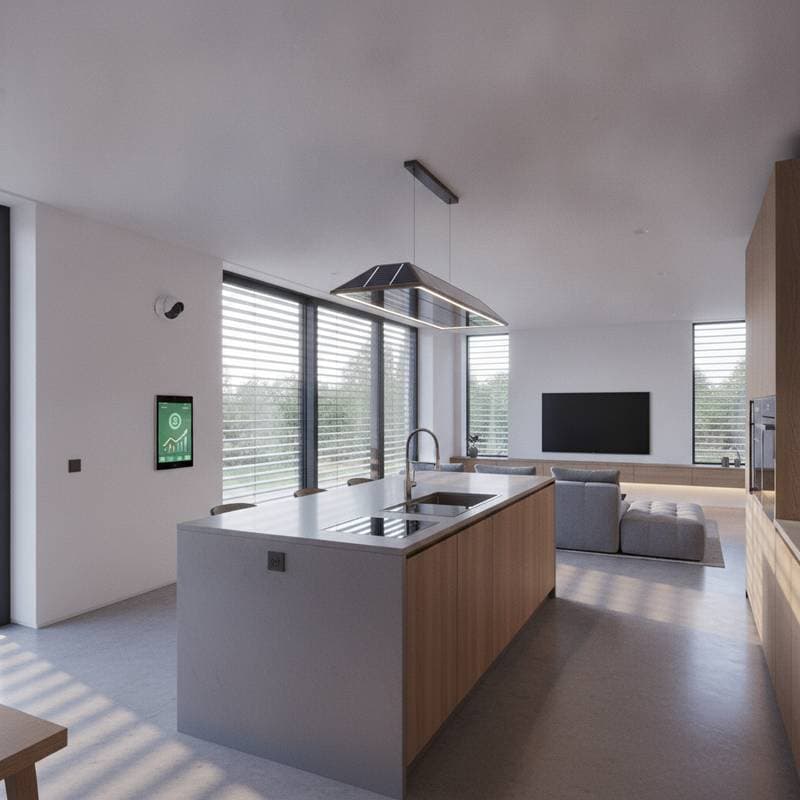
Smart Tech Integrations Worth Adding in 2026 Remodels
Homeowners planning a remodel benefit from integrating smart home technology. These systems deliver savings on operating costs, increase resale value, and provide everyday convenience. Smart features have become standard expectations among buyers rather than optional extras. Selection of upgrades that produce measurable returns remains essential.
Foundational Systems for Everyday Use
Smart technology performs best when operation stays simple and background processes handle adjustments. Focus remains on comfort, energy use, and protection. Systems that require multiple apps or complex programming reduce long-term satisfaction.
Climate Control Upgrades
Smart thermostats adjust temperatures based on occupancy patterns and reduce energy waste. Professional installation for most models falls between 150 and 400 dollars. Annual heating and cooling expenses can drop by as much as 10 percent, which supports a quick payback period.
Lighting Automation
Voice commands, motion sensors, and scheduled operation replace manual switches. Individual smart switches and dimmers cost between 75 and 200 dollars each when added to existing wiring. Whole-floor projects gain efficiency from centralized hubs that support future additions. Compatibility with Alexa, Google Home, and Apple HomeKit preserves flexibility across platforms.
Security and Entry Systems
Video doorbells, electronic locks, and camera networks now function as core safety components. A single smart lock starts near 150 dollars, while complete monitored setups exceed 1,000 dollars. Encrypted storage and detailed access records improve both security and eligibility for insurance discounts.
Energy Optimization Through Automation
The largest financial returns appear when power management coordinates multiple devices. Integrated controls convert a remodel into ongoing savings.
Power Monitoring Devices
Smart outlets and energy monitors display real-time consumption and identify standby loads. Household energy use can fall by up to 5 percent. Most units install without professional help, although major appliance circuits require an electrician. Quality models range from 25 to 60 dollars each.
Solar-Ready Service Panels
Panels designed for future solar and battery connections add 2,000 to 4,000 dollars during an electrical upgrade. They enable direct load management and avoid later rewiring expenses. Owners who anticipate solar installation within several years recover the premium through reduced labor costs.
Leak Detection and Shutoff Valves
Water sensors identify leaks and close main valves automatically. Individual sensors cost less than 100 dollars. Whole-home systems with shutoff capability average 500 to 1,200 dollars installed. These devices limit damage and frequently qualify for insurance premium reductions.
Comfort Features for Primary Living Areas
Energy systems produce clear financial returns, yet comfort upgrades enhance daily routines in kitchens, living rooms, and bedrooms.
Motorized Window Coverings
Automated blinds and shades respond to voice commands or schedules. Per-window costs range from 300 to 800 dollars depending on fabric and motor type. Integration with lighting and climate systems further reduces unwanted heat gain.
Connected Kitchen Equipment
Smart ranges and refrigerators support remote operation and inventory tracking. Ranges typically fall between 1,500 and 3,000 dollars, while refrigerators begin near 2,000 dollars. Selection should emphasize continued software support to maintain security and features over time.
Multi-Room Audio Distribution
Wireless speakers installed during renovation allow clean cable routing and uniform sound coverage. Midrange systems cost 200 to 600 dollars per room. Early planning eliminates visible wiring and supports expansion without surface repairs.
Installation and Long-Term Reliability
Proper grounding, UL-listed components, and code compliance protect both safety and warranty coverage. Strong network encryption and a dedicated guest network limit exposure for connected devices. Complex electrical or security work requires licensed contractors.
Systems built on open standards such as Zigbee or Matter avoid dependence on single manufacturers. Conduit pathways and neutral wires installed during construction simplify later additions. Quarterly firmware checks, annual battery replacement, and monthly camera cleaning maintain performance.
A remodel that incorporates these technologies produces a residence that adjusts to changing needs, limits operating expenses, and retains value over time.