
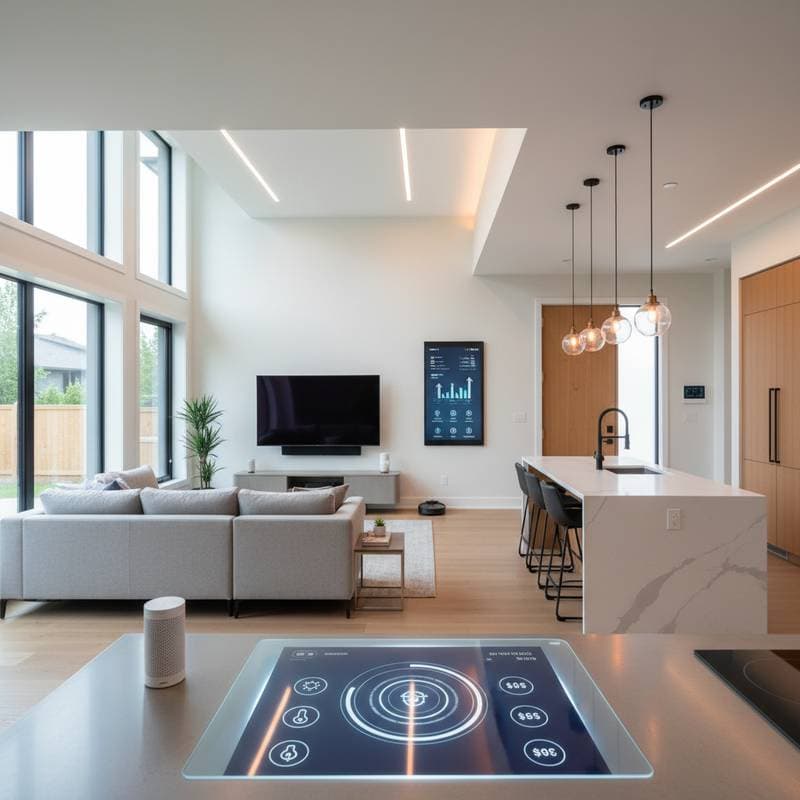
Smart Home Upgrades: What You Will Actually Spend in 2026
Smart home technology continues to evolve, offering enhanced convenience, security, and efficiency for modern living. As you plan upgrades for 2026, understanding the costs involved helps in making informed decisions. This guide breaks down expenses across key categories, from basic setups to comprehensive systems, while highlighting factors that influence pricing and strategies for maximizing value.
Several elements determine the overall investment in a smart home. Home size, existing infrastructure, and desired features all play roles. For instance, larger properties require more devices and potentially robust networking, which increases costs.
Factors Influencing Smart Home Costs
-
Home Size and Layout: Larger homes or those with multiple floors demand more devices and stronger connectivity, potentially raising expenses by 20 to 50 percent compared to smaller spaces.
-
Existing Infrastructure: Retrofitting older homes with smart wiring or upgrading electrical panels can add five hundred to two thousand dollars upfront.
-
Device Compatibility: Ensuring all components work together seamlessly may require additional hubs or software, costing one hundred to five hundred dollars.
-
Network Infrastructure: Weak Wi-Fi or outdated routers undermine expensive devices. Upgrading to a mesh system or high-performance router adds two hundred to eight hundred dollars.
-
Energy Efficiency Goals: Advanced sustainability features, such as solar integration or smart energy monitors, elevate initial costs but deliver long-term savings on utility bills.
The Smart Lighting Revolution
Lighting serves as an accessible entry point to smart home automation. Connected bulbs and switches enable mood adjustments, scheduling, and remote control, often without extensive renovations.
-
Entry-Level Options: Individual smart bulbs range from fifteen to sixty dollars each. These allow experimentation with app-based controls and basic automation.
-
Mid-Range Systems: Integrated dimmers or smart switches cost three hundred to one thousand dollars per room. Features include voice activation and preset scenes for different activities.
-
High-End Solutions: Whole-home systems with motion sensors and daylight adaptation exceed five thousand dollars. They optimize energy use and provide precise ambiance control.
Professional installation for lighting fixtures typically ranges from fifty to one hundred fifty dollars per unit. Those experienced with electrical work can handle switch installations to reduce expenses, but prioritize safety by shutting off power at the breaker box before any modifications.
Climate Control and Energy Management
Smart thermostats stand out for their potential to lower energy costs. These devices analyze usage patterns, automate adjustments, and integrate with broader home systems to achieve up to 15 percent savings on heating and cooling.
-
Basic Models: Prices fall between one hundred and two hundred fifty dollars for single-zone control in simpler setups.
-
Advanced Multi-Zone Configurations: Systems managing multiple areas cost five hundred to two thousand dollars, offering independent temperature regulation per room or floor.
-
Installation Fees: Professionals charge one hundred fifty to four hundred dollars, based on HVAC complexity.
Supplementary tools like smart vents or occupancy sensors add one hundred to five hundred dollars per zone. Most users see a return on investment within two years through decreased energy consumption.
Smart Security and Surveillance Systems
Homeowners prioritize security when adopting smart technology. Contemporary systems combine cameras, sensors, and alerts into unified platforms accessible via mobile devices.
-
DIY Camera Kits: Two to four cameras with cloud storage range from two hundred to eight hundred dollars.
-
Comprehensive Packages: Including doorbells, motion detectors, and alarms, these cost one thousand to three thousand dollars.
-
Monitoring Subscriptions: Plans begin at ten dollars monthly and extend to forty dollars for premium services with 24/7 response.
-
Professional Setup: Adds three hundred to one thousand dollars, scaling with system size.
Wired options suit multi-story or expansive properties for reliability, though installation proves more involved. Wireless alternatives facilitate easier expansion but necessitate battery checks.
Entertainment and Smart Media Integration
Smart entertainment transforms daily routines by syncing audio, video, and lighting. Systems activate playlists or adjust settings upon entry, creating immersive experiences.
-
Speakers and Displays: Basic units start at fifty dollars; advanced models with spatial audio reach six hundred dollars.
-
Multi-Room Audio: Networked setups distributing sound cost two thousand to ten thousand dollars.
-
Televisions and Controls: Smart TVs span three hundred to three thousand dollars by size and technology. Universal remotes or hubs add two hundred dollars.
Calibration by experts, at five hundred to one thousand dollars, refines acoustics and ensures compatibility across devices.
Kitchen and Appliance Automation
Connected appliances elevate kitchen functionality, from inventory tracking to remote operation. These integrations blend convenience with efficiency in daily tasks.
-
Compact Devices: App-enabled coffee makers, air fryers, or dishwashers cost one hundred to one thousand dollars apiece.
-
Large Appliances: Connected refrigerators, ovens, or laundry units begin at one thousand dollars and ascend to five thousand dollars for premium features.
-
Hub Integration: Central control setups require two hundred to six hundred dollars for configuration.
Energy-efficient models in this category help recoup costs through reduced consumption over time.
Whole-Home Automation Systems
Integrated platforms unify all smart elements under a single interface, streamlining control of lighting, climate, security, and more.
-
Basic Integrations: Three thousand dollars covers essential device connections.
-
Intermediate Options: Seven thousand to fifteen thousand dollars include advanced automation and voice management.
-
Premium Installations: Custom systems with monitoring exceed twenty thousand dollars.
Labor for setup accounts for 10 to 20 percent of the budget, ensuring reliable operation and future-proofing.
Budget Planning and ROI Considerations
Tailor your smart home investment to fit financial parameters by categorizing expenditures.
-
Essential Systems: Focus on climate, lighting, and security for immediate benefits in comfort and savings.
-
Enhancement Features: Incorporate appliances and entertainment for added luxury.
-
Support Infrastructure: Invest in networking and hubs for dependable performance.
A complete upgrade for an average home totals five thousand to twenty-five thousand dollars. Benefits include utility reductions, elevated property value, and streamlined living.
Professional vs. DIY Pathways
Choose installation methods based on technical proficiency and project scope.
-
DIY Projects: Bulbs, plugs, speakers, and thermostats install via apps with minimal tools.
-
Expert Interventions: Hardwired elements like security or HVAC demand certified professionals for compliance and safety.
-
Combined Strategies: Begin with self-installs, then engage experts for integration.
Professionals mitigate risks such as network conflicts or automation errors.
Connectivity and Troubleshooting Essentials
Reliable networks form the backbone of smart homes. Evaluate coverage before additions.
-
Router Enhancements: Mesh systems for challenging layouts cost two hundred to six hundred dollars.
-
Network Segmentation: Isolate devices for security purposes.
-
Firmware Maintenance: Regular updates enhance security and functionality.
-
Energy Monitoring: Use smart plugs to track and optimize appliance usage.
Steps to Implement Your Smart Home Vision
Begin with priority areas to build a foundation, then expand gradually. Select compatible devices from reputable brands to avoid integration hurdles. Consult local experts for custom assessments, ensuring your setup aligns with lifestyle needs and delivers sustained efficiency.