
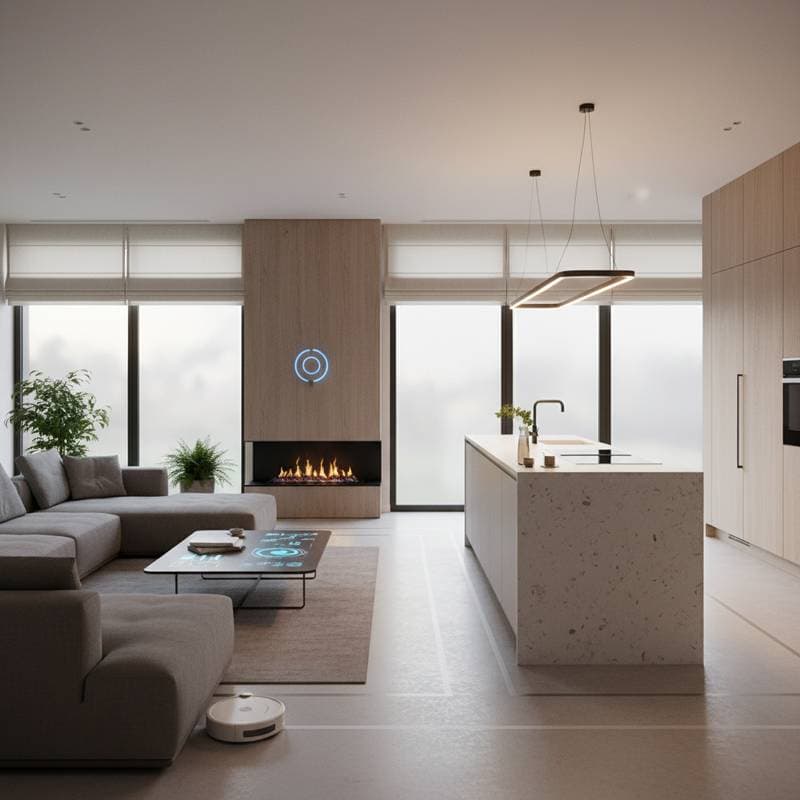
The Essential Role of Smart Technology in Home Remodeling
The sound of a paint roller gliding across a wall, the hum of a power drill, and the scent of fresh wood trim create a familiar backdrop for any home remodel. In recent years, a new element has emerged: the subtle whir of smart devices connecting seamlessly to a unified network. Whether the project involves a simple kitchen refresh or a comprehensive whole-home overhaul, smart technology influences daily living, energy management, and interactions with living spaces. Remodeling extends beyond visual appeal to incorporate sensors, data analytics, and adaptive designs that respond to residents' needs.
Key Considerations for Integration
- Smart home systems form a core part of remodel planning from the outset.
- Homeowners typically allocate between $2,000 and $15,000 for these integrated features.
- Investments in energy management, security, and adaptive lighting yield the strongest returns.
- Engage professionals for installations involving electrical or networked components.
- Sustainable options can lower annual energy expenses by 10 to 25 percent.
Essential Smart Systems for Modern Remodels
Intelligent Climate Control
Contemporary smart thermostats connect with distributed sensors to track temperature, humidity, and air quality levels. Devices priced from $200 to $600 learn user patterns and adjust heating or cooling without manual input. In expansive residences, zoning systems ranging from $1,500 to $4,000 minimize energy loss by targeting specific areas.
Pair these with smart vents that direct airflow to active zones. Such setups improve occupant comfort while prolonging HVAC system durability through reduced operational stress. Homeowners achieve noticeable efficiency gains with minimal ongoing effort.
Adaptive Lighting Solutions
Lighting influences the mood and functionality of any room. Smart systems merge design elegance with energy conservation, starting with basic bulbs and switches at $300. Comprehensive installations, featuring dimmable fixtures, adjustable color temperatures, and motion-activated sensors, cost $2,000 to $7,000.
Programmed scenes transition lighting to align with daily cycles, promoting healthy sleep patterns. Strategic sensor placement enhances safety in high-traffic areas like stairs and corridors. Integration with solar power further cuts utility bills and fosters a cohesive, serene atmosphere throughout the property.
Advanced Security and Access Control
Security evolves from basic alarms to multifaceted networks incorporating cameras, motion sensors, and remote-access locks. Starter kits begin at $500, while full systems with monitoring services exceed $3,000. These layers provide robust protection without compromising aesthetics.
Digital locks enable temporary access codes for visitors or contractors, often enhanced by biometric options like facial or fingerprint recognition. Prioritize designs that integrate smoothly with existing architecture. This approach ensures peace of mind alongside practical convenience.
Water Management and Leak Prevention
Undervalued yet critical, smart leak detectors paired with auto-shutoff valves prevent costly water damage. Affordable units from $150 to $800 identify moisture issues immediately and halt the water supply. During bathroom or kitchen renovations, embed these into plumbing layouts for optimal protection.
Complement them with irrigation controllers that respond to soil conditions, potentially saving up to 30 percent on water usage. These measures support environmental responsibility while safeguarding property value. Proactive installation avoids disruptions and repairs down the line.
Energy Monitoring and Solar Compatibility
Advanced dashboards now oversee usage from individual appliances to entire circuits, offering instant insights. Basic monitors start at $300, escalating to $5,000 for solar-linked configurations. These tools empower users to optimize consumption patterns effectively.
Smart panels shift power during high-demand periods or schedule EV charging for off-peak times. In eco-focused remodels, this infrastructure underpins all connected features. Long-term benefits include substantial reductions in operational costs and carbon footprints.
Navigating DIY and Expert Installation
Certain smart components suit hands-on installation, including plug-in sensors, LED bulbs, and independent cameras. However, tasks like electrical modifications, HVAC linkages, or panel upgrades demand certified expertise. Professionals charge $75 to $150 hourly, mitigating risks of non-compliance or accidents.
Opt for manufacturer-recommended installers to uphold warranties and standards. A combined strategy proves effective: manage user-facing elements personally while delegating structural work. This method controls expenses without sacrificing reliability or safety.
Ensuring Sustainability and Durability
Effective remodels prioritize longevity through updatable software over frequent hardware swaps, minimizing waste. Select devices compatible with open standards like Matter for seamless expansions. Extended battery life in sensors, often lasting years on rechargeable lithium, reduces replacement needs.
Incorporate solar options for exterior units to eliminate routine charging. Align smart features with energy-efficient materials such as superior insulation, LEDs, and water-saving fixtures for comprehensive green performance. Maintain detailed records of installations, including diagrams and settings, to facilitate future adjustments.
Practical Strategies for Seamless Implementation
- Incorporate smart wiring into early blueprints to avoid retrofitting expenses.
- Position central hubs in cool, reachable utility spaces for optimal performance.
- Mark all connections clearly to streamline ongoing upkeep.
- Verify connectivity and functionality prior to enclosing walls.
- Compile a secure digital log of network credentials and device details.
- Favor expandable platforms over brand-specific lock-ins for adaptability.
Experiencing the Benefits of an Intelligent Home
As construction concludes and systems operate unobtrusively, the residence adapts to its inhabitants. Lights gradually brighten to simulate sunrise, climate settings preempt morning routines, and outdoor watering halts ahead of forecasted showers. Technology integrates subtly, enhancing rather than intruding upon daily flow.
Well-executed remodels deliver intuitive security and efficiency. Residents develop confidence in their environment's responsiveness. Ultimately, this fusion of skilled workmanship and innovation secures lasting comfort, savings, and tranquility.