
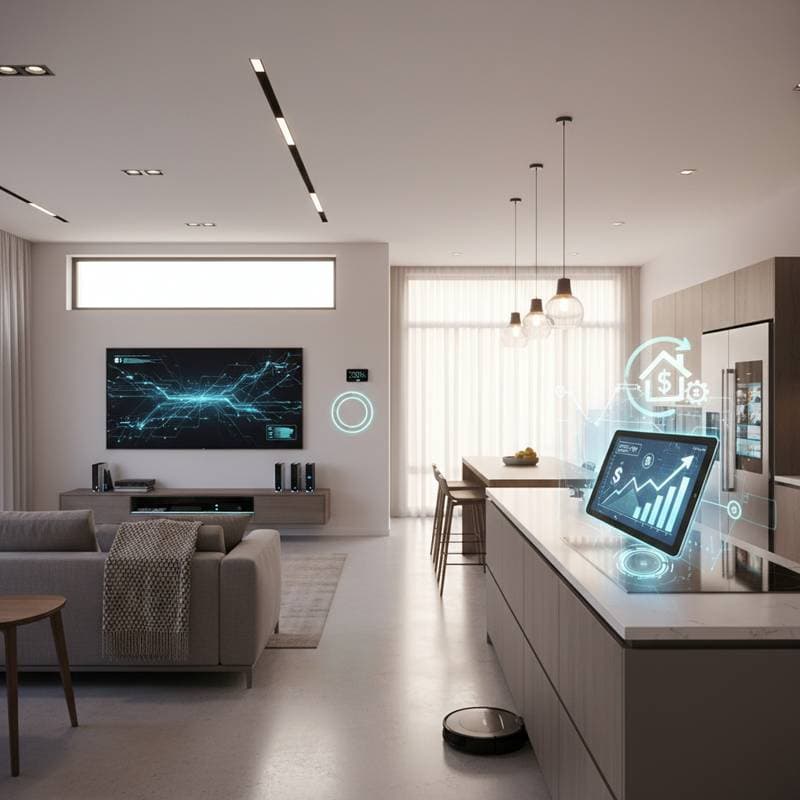
Smart Home Remodeling Costs: Budget Your 2026 Project
Smart home technology now supports everyday routines through automated lighting, climate control, and security features. Planning a remodel requires clear cost awareness to match upgrades with personal priorities and available funds.
Key Factors That Shape Smart Home Remodeling Costs
Several variables determine final expenses. The scope of automation sets the baseline, as limited additions remain inexpensive while whole home systems demand larger investments. System complexity also matters because cloud based options involve ongoing fees whereas hardwired setups require more initial labor.
Professional installation versus do it yourself work creates another split in pricing. Premium brands deliver refined performance at higher cost compared with standard consumer products. Home size and existing layout further influence material needs and labor hours.
Average Cost Ranges for Smart Home Upgrades
Mid range projects show consistent pricing patterns. Full home smart lighting typically falls between 1500 and 6000 dollars. HVAC integration ranges from 400 to 3500 dollars depending on zones and controls.
Security packages cost 700 to 5000 dollars. Connected appliances run from 2000 to 10000 dollars. Centralized whole home systems start at 5000 dollars and can reach 25000 dollars. Basic voice hubs begin at 100 dollars.
Existing homes often need electrical updates that add 1000 to 3000 dollars for wiring or outlets.
Planning a Smart Home Remodel
Successful projects follow a deliberate sequence. Begin by defining lifestyle goals such as energy reduction or security enhancement. Divide the home into functional zones and assign devices accordingly.
Select one primary ecosystem early to avoid integration conflicts. Divide the work into phases that start with high impact areas. Choose components that support future expansion without major rewiring.
The Hidden Costs Homeowners Forget
Device prices represent only part of the total. Subscription services for storage and features add 5 to 30 dollars monthly. Network upgrades for reliable coverage require 300 to 1200 dollars.
Older electrical panels may need upgrades before new loads are added. Periodic software maintenance and professional calibration also contribute to long term ownership costs.
DIY versus Professional Smart Home Installation
Homeowners with technical comfort can manage simple devices such as bulbs, thermostats, and cameras. This route lowers labor expenses and permits gradual additions.
Complex integrations benefit from professional design. Experts handle hidden wiring, system calibration, and ongoing support. The higher initial outlay often prevents compatibility problems and safety issues.
Safety and Compliance Considerations
Local building codes govern any work tied to the main electrical panel. Licensed electricians must complete such tasks in most areas. Appliances and controls should meet current energy and fire standards to prevent hazards.
Energy Efficiency and Return on Investment
Automated thermostats reduce heating and cooling expenses by 10 to 20 percent. Lighting controls paired with sensors cut electricity use by up to 30 percent. These savings frequently recover the initial investment within several years.
Documented systems also support stronger resale values by demonstrating immediate functionality to buyers.
Seasonal Timing for Smart Home Projects
Early spring and late fall often provide shorter contractor schedules. Coordinate wiring installation before drywall or flooring work closes wall cavities. Outdoor components install most easily during mild weather when soil conditions allow clean trenching.
Cost Saving Strategies for Smart Home Remodeling
Strategic purchasing stretches budgets effectively. Combine premium controls in primary rooms with economical options in secondary spaces. Starter bundles frequently reduce per unit prices.
Existing appliances can receive smart modules instead of full replacement. Focus spending on thermostats, lighting, and security for the strongest returns. Install conduit during any open wall phase to simplify later additions.
Protecting Your Smart Home Investment Over Time
Regular software updates maintain security and compatibility. Test sensors quarterly and clean camera lenses to preserve performance. Review active subscriptions to eliminate unused services and back up configuration files for quick recovery.