
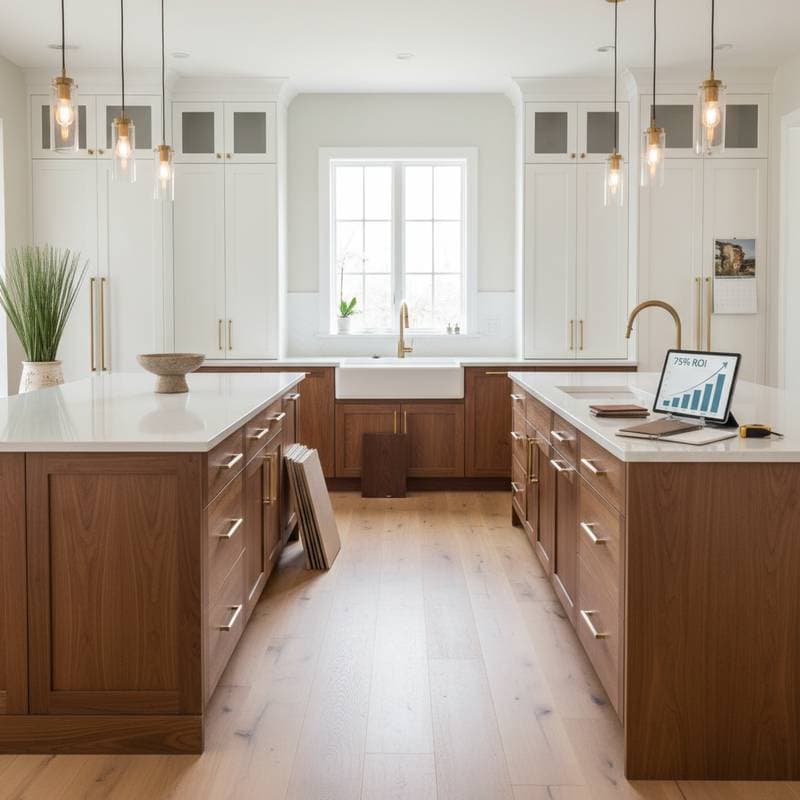
Enhance Your Kitchen's Value Through Cabinet Refacing
Cabinet refacing provides a practical solution for homeowners seeking to elevate their kitchen's appearance and resale potential without undertaking a complete renovation. This approach involves updating the visible surfaces of existing cabinets by replacing doors, drawer fronts, and applying new veneers or laminates. When executed properly, refacing delivers a refreshed look in a matter of days and yields a return on investment of 70 to 80 percent by 2026.
Homeowners often face the dilemma of balancing aesthetic improvements with budget constraints. Full kitchen remodels frequently exceed $40,000, involving extensive disruption and lengthy timelines. In contrast, refacing achieves comparable visual results at a lower cost, typically between $5,000 and $12,000, while preserving the structural integrity of the original cabinetry.
Understanding the nuances of refacing empowers you to make informed decisions. This guide explores the financial aspects, procedural details, potential pitfalls, and maintenance strategies to ensure your project maximizes both immediate enjoyment and long-term value.
Detailed Cost Analysis
The affordability of cabinet refacing stems from its focus on surface-level enhancements rather than structural overhauls. For an average-sized kitchen, expect to invest $5,000 to $12,000, inclusive of materials and professional labor. This range varies based on kitchen size, material selections, and additional features like upgraded hardware.
Consider these material options to align costs with your preferences:
- Laminate surfaces: These provide a cost-effective, resilient choice, beginning at approximately $4,000 for smaller kitchens. Laminate resists scratches and moisture effectively, making it suitable for high-traffic areas.
- Wood veneers: Delivering a warm, authentic appearance, this option ranges from $6,000 to $10,000. Veneers add depth and character while maintaining affordability over solid wood alternatives.
- Solid wood doors: For a high-end finish, solid wood replacements cost $10,000 to $12,000. This selection enhances durability and elevates the kitchen's premium appeal.
Budget an additional $500 to $1,000 for hardware enhancements, such as soft-close mechanisms and contemporary pulls. These additions not only improve functionality but also contribute to a more luxurious feel, further boosting perceived value.
Comprehensive Refacing Procedure
Familiarity with the refacing process allows you to oversee the project confidently, whether hiring professionals or attempting a DIY approach. The procedure unfolds in methodical stages, ensuring precision and minimal disruption.
Initial Assessment and Preparation
Begin by evaluating the cabinet boxes for stability. Examine for indications of damage, including warped frames, sagging shelves, or moisture intrusion around appliances. Repair any compromised areas, such as reinforcing weak sections or eliminating mold, prior to proceeding. Professionals often conduct this inspection to identify issues that could compromise the final outcome.
Removal of Existing Components
Detach all doors, drawer fronts, and hardware systematically. Label components if managing the project independently to facilitate reassembly. Contractors handle disposal of outdated materials, maintaining a tidy worksite throughout.
Surface Preparation
Thoroughly clean and sand the cabinet frames to create an optimal bonding surface. Remove all grease, grime, and old finishes to prevent future adhesion failures like bubbling or delamination. This foundational step demands attention to detail for enduring results.
Application of New Materials
Cut and affix the selected veneer or laminate to the cabinet faces with precision. Employ contact cement for secure attachment, followed by careful trimming for seamless edges. Accurate alignment during this phase prevents visible discrepancies that could detract from the overall design.
Installation of Updated Doors and Drawers
Mount the new doors and fronts, securing them with high-quality hinges and hardware. Incorporate soft-close features to enhance usability and reduce daily wear. This stage transforms the kitchen's functionality alongside its aesthetics.
Final Inspection and Completion
Review the installation for uniform alignment, stable fittings, and flawless finishes. Make necessary adjustments to achieve perfection. The process concludes with a comprehensive cleanup, restoring the kitchen to usability within three to five days.
Essential Safety and Regulatory Guidelines
Refacing projects generally evade the need for permits, yet confirmation with local authorities remains advisable. Certain jurisdictions mandate reporting if alterations exceed specified thresholds in cabinetry modifications.
For older homes, conduct lead paint testing before any sanding or cutting activities. Equip yourself with protective equipment and ensure adequate ventilation when applying adhesives to mitigate exposure to harmful particles and vapors. Licensed professionals adhere to established protocols, safeguarding health and compliance.
Retain records of materials, receipts, and contractor credentials. Such documentation supports insurance claims, facilitates refinancing, and underscores the quality of improvements during home sales.
Pitfalls to Sidestep for Optimal Results
Several oversights can undermine the effectiveness and longevity of a refacing endeavor. Awareness of these common errors guides you toward superior execution:
- Neglecting thorough preparation: Inadequate cleaning results in poor material adhesion, leading to premature peeling and diminished returns.
- Overlooking structural defects: Concealing underlying damage, such as water-related issues, postpones inevitable repairs and erodes investment value.
- Inconsistent material selections: Ensure harmony across all cabinets; mismatched tones or textures disrupt visual cohesion.
- Excessive customization: Opt for versatile, neutral designs over personalized elements to broaden buyer appeal.
- Imprecise hardware installation: Double-check measurements to avoid misaligned pulls or hinges, which compromise the professional appearance.
Addressing these concerns proactively preserves the project's integrity and financial benefits.
Strategies for Long-Term Preservation
Sustaining the refreshed cabinets requires minimal yet consistent effort. Wipe surfaces with a gentle soap and water mixture using a non-abrasive cloth. Steer clear of harsh chemicals that might erode protective coatings.
Inspect hardware annually, tightening screws as needed to maintain smooth operation. For wood veneers, reapply sealant periodically to guard against environmental factors. Control indoor humidity through ventilation practices, such as activating exhaust fans during cooking, to avert warping.
With diligent upkeep, refaced cabinets endure 15 to 20 years, retaining their aesthetic and operational excellence.
Realizing the Benefits of a Refreshed Kitchen
Post-refacing, your kitchen emerges more inviting and unified, fostering daily comfort without the upheaval of major construction. This upgrade serves as a strategic enhancement, blending practicality with economic prudence.
Select robust materials and integrate complementary accents to amplify impact. Proper maintenance ensures sustained performance, positioning your home favorably in the market. Ultimately, cabinet refacing equips you to relish a revitalized space today while securing substantial value appreciation tomorrow.