
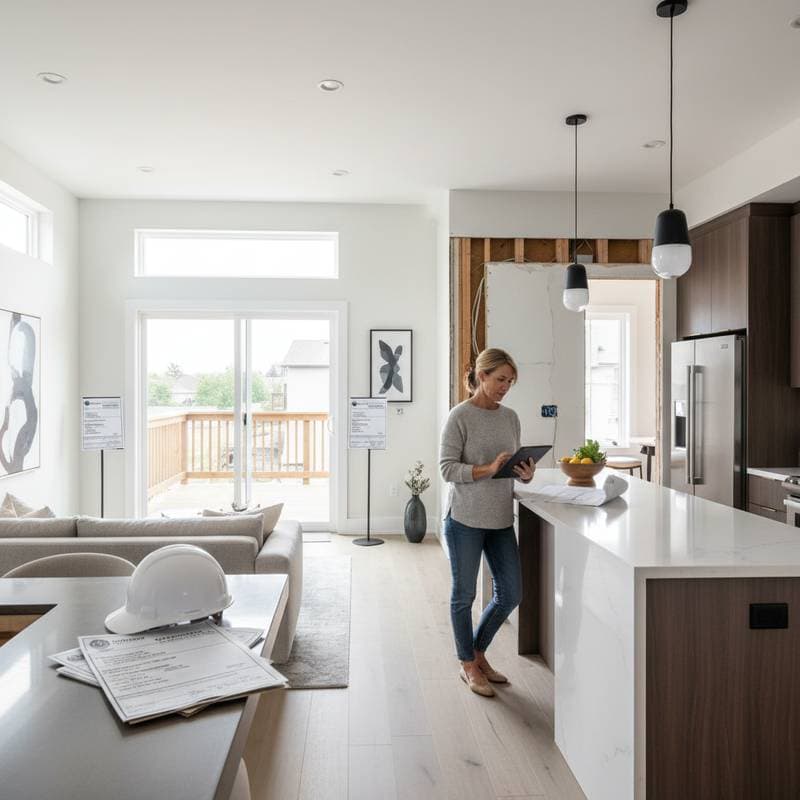
Understanding Permit Requirements for Home Projects
Homeowners often undertake DIY projects with enthusiasm, yet many overlook the need for permits. Tasks such as building a deck, renovating a bathroom, or altering electrical systems frequently fall under local regulations. These requirements stem from building codes designed to prioritize safety and quality.
Permits function as official approvals from municipal authorities, confirming that proposed work aligns with established standards. Obtaining one involves submitting plans, paying fees, and scheduling inspections. While the process adds steps, it prevents future complications and enhances project outcomes.
The Protective Role of Permits
Permits might appear as administrative hurdles, yet they deliver essential safeguards. They verify that construction adheres to current safety codes, which evolve to address risks like fire hazards or structural failures. For instance, electrical installations must meet grounding and overload protection standards to minimize dangers.
Beyond immediate safety, permits create a documented history of modifications. This record proves to insurers and potential buyers that upgrades comply with regulations. Without it, unpermitted changes could lead to claim rejections or demands for costly corrections during property transactions.
In essence, permits support professional execution where necessary and provide homeowners with assurance. They ensure that even ambitious DIY efforts contribute to a secure, valuable residence.
Key Home Projects That Require Permits
Local jurisdictions vary in specifics, but certain modifications consistently demand oversight. Below, common categories highlight when permits become mandatory. Always consult your area's building department for precise rules.
1. Structural Additions and Alterations
Projects that modify a home's framework, such as adding decks, sheds, or removing load-bearing walls, require structural permits. These ensure stability against weather, earthquakes, or daily use. Inspectors check foundation depth, beam sizing, and attachment methods.
Permit required for:
- Decks or patios over 30 inches high
- Attached garages or room additions
- Interior wall removals affecting support structures
DIY considerations: Basic planning drawings suffice for permits, but complex designs often need engineer stamps. Fees typically range from $200 to $1,000, depending on project scale.
2. Electrical Upgrades
Electrical work demands rigorous scrutiny due to its fire and shock risks. Adding circuits, outlets, or panels triggers permit needs to confirm proper installation.
Permit required for:
- Installing new circuits or subpanels
- Rewiring entire rooms
- Adding GFCI outlets in kitchens or bathrooms
Professional input: Homeowners may apply for minor permits, but jurisdictions often mandate licensed electricians for invasive tasks. Expect inspections at rough-in and final stages to assess wiring integrity.
3. Plumbing Modifications
Any change to water, drainage, or gas lines falls under plumbing codes. Replacing fixtures or rerouting pipes requires permits to prevent leaks, contamination, or backflow issues.
Permit required for:
- Bathroom or kitchen remodels with fixture relocations
- Installing new water heaters or irrigation systems
- Extending sewer or gas lines
Inspection priorities: Venting, pressure testing, and material compatibility receive close review. Permits cost $100 to $500, and unlicensed work may violate health regulations.
4. HVAC Systems and Mechanical Changes
Heating, ventilation, and air conditioning alterations ensure efficient, safe operation. Permits cover furnace replacements, duct installations, or AC unit additions.
Permit required for:
- New furnace or boiler installations
- Ductwork modifications
- Mini-split or central AC systems
Key checks: Inspectors evaluate gas line safety, refrigerant handling, and airflow balance. Fees range from $150 to $800, and compliance preserves equipment warranties.
5. Roofing and Exterior Replacements
Full roof replacements or significant repairs often need permits, especially in regions prone to severe weather. These verify underlayment, flashing, and shingle quality.
Permit required for:
- Complete roof overhauls
- Solar panel integrations
- Changing roof types or pitches
Scope notes: Minor patch repairs typically exempt, but permits apply to areas over 100 square feet. Costs vary from $100 to $400, with inspections focusing on waterproofing.
6. Window and Door Replacements
Standard replacements in existing openings may skip permits, but expansions or new installations do not. These affect insulation, security, and escape routes.
Permit required for:
- Enlarging window or door openings
- Adding egress windows in basements
- Installing impact-resistant units in high-wind zones
Red flags: Structural cuts or header adjustments demand review. Fees run $100 to $300, ensuring energy code compliance.
Home Projects Typically Exempt from Permits
Not all enhancements require formal approval, allowing quicker progress on cosmetic or low-impact tasks. Common exemptions include:
- Interior painting, wallpapering, or flooring installations
- Adding trim, crown molding, or baseboards
- Cabinet replacements without utility alterations
- Landscaping features like low fences or plantings
- Swapping existing light fixtures, faucets, or door hardware
Verify exemptions through your local building office, as rules differ by municipality. Online resources often list guidelines, but direct confirmation avoids surprises.
Risks Associated with Unpermitted Work
Proceeding without permits offers short-term convenience but invites long-term issues. Financial fines start at hundreds of dollars and escalate with project size. Insurance providers may refuse coverage for damages tied to unauthorized modifications.
During sales, unpermitted upgrades prompt buyer negotiations, potentially lowering offers or requiring abatements. Most critically, substandard work endangers residents through hidden flaws like unstable supports or faulty wiring.
Authorities aim to enforce standards, not penalize, fostering community-wide safety. Proactive permitting mitigates these risks effectively.
Navigating Permit Costs and Timelines
Fees depend on project valuation, location, and complexity, ranging from $50 for simple tasks to $900 for extensive remodels. Many departments base charges on estimated costs, with inspections bundled in.
Approval times span days for minor submissions to weeks for detailed plans. Factor in revisions or scheduling delays by applying early. Online portals in some areas streamline submissions, reducing wait periods.
Budget for potential re-inspection fees if initial checks reveal issues. This preparation keeps projects on track and within financial bounds.
Safeguarding Your Home's Future Value
Embracing permits transforms potential pitfalls into strengths. Compliant projects not only meet codes but also boost appeal to future owners. They document quality craftsmanship, easing transitions and maximizing returns.
Start by researching local requirements before tools touch materials. This approach yields safer, more enduring improvements that enhance daily living and property worth.