
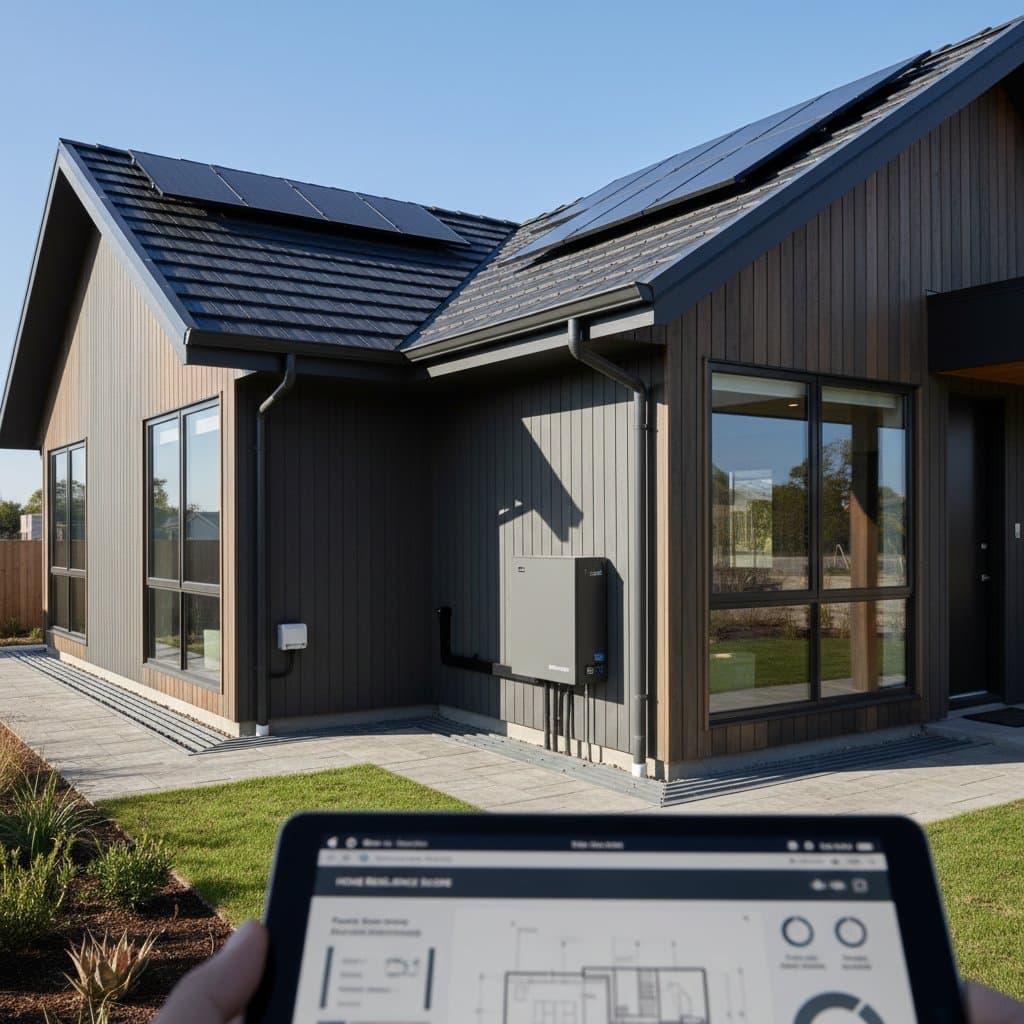
Essential Smart Upgrades for Climate-Resilient Homes
Shifting weather patterns demand more from homes than routine upkeep. Homeowners now confront increased humidity, intense storms, and erratic temperatures that challenge structural integrity. Smart climate-resilient upgrades safeguard property, maintain comfort, enhance safety, and preserve investment value. These solutions integrate advanced technology and thoughtful design to keep homes efficient and operational year-round.
Primary Areas for Building Resilience
Homes vary by location, yet certain vulnerabilities affect most properties. Focus on these four core categories to address risks effectively.
- Exterior Protection Measures
- Impact-resistant roofing options: Choose composite shingles or metal panels, priced at 8 to 12 dollars per square foot. These materials endure for decades beyond standard asphalt and feature interlocking mechanisms that resist wind uplift.
- Sealed siding solutions: Opt for fiber cement or engineered wood to manage moisture and avoid warping. Ensure installers apply proper flashing and waterproof membranes for enduring performance.
- Storm-rated windows and doors: Laminated glass paired with reinforced frames runs 700 to 1,000 dollars per unit. Such installations deflect flying debris and minimize heat loss, boosting security and efficiency.
- Effective Water Management Strategies
- Smart sump pump technology: Wi-Fi-enabled units notify your smartphone of rising water, allowing prompt intervention to avert floods.
- Permeable pavers and rain gardens: These features channel excess water from foundations while supporting groundwater recharge. A modest setup for a typical yard costs 1,500 to 3,000 dollars.
- Gutter guards combined with site grading: Simple modifications, like directing soil slope away from the structure, ward off expensive foundation repairs.
- Advancements in Energy Efficiency and Climate Control
- Smart thermostats with integrated sensors: These systems adapt to daily routines, potentially reducing energy bills by 20 percent through precise adjustments.
- High-efficiency heat pump installations: Contemporary models handle heating and cooling in harsh conditions. System costs range from 6,000 to 10,000 dollars based on capacity and home size.
- Superior insulation techniques: Apply closed-cell spray foam or dense-packed cellulose to stabilize indoor climates and inhibit moisture accumulation.
- Reliable Backup Power and Preparedness Tools
- Whole-home generator setups: Natural gas or propane models sustain critical appliances, including refrigerators and medical equipment, during power disruptions.
- Integrated battery storage: Coupled with solar arrays, these units maintain essential functions like lighting and connectivity when the grid fails.
- Comprehensive surge protection: A full-home device, installed for 400 to 700 dollars, shields sensitive electronics from sudden voltage surges.
Step-by-Step Implementation Plan
Begin by conducting a thorough vulnerability assessment of your property. Examine high-risk zones, including roof edges, basement areas, and window perimeters. Prioritize initiatives that deliver both instant safeguards and ongoing cost reductions, such as installing storm-rated windows to deter impacts and cut energy use.
For complex installations like heat pumps or generators, engage certified contractors. Research available rebates from local authorities for resilient or efficient modifications. Verify that all work complies with local codes and aligns with your insurance coverage.
Resolving Frequent Challenges
- Condensation issues on upgraded windows: Regulate indoor humidity or add a dehumidifier to maintain equilibrium.
- Leaks following intense rainfall: Inspect and reinforce flashing and sealants at roof junctions.
- Circuit overloads from added devices: Install dedicated circuits or enhance your electrical panel prior to integrating new equipment.
Sustaining Resilience Over Time
Building climate resilience requires ongoing attention. Review drainage routes seasonally, clear gutters ahead of storms, and verify backup systems biannually. Monitor energy statements to gauge savings and keep smart devices updated for peak functionality.
Strategic upgrades today fortify your home against instability. These measures ensure dryness, security, and livability, delivering lasting assurance and financial prudence.