
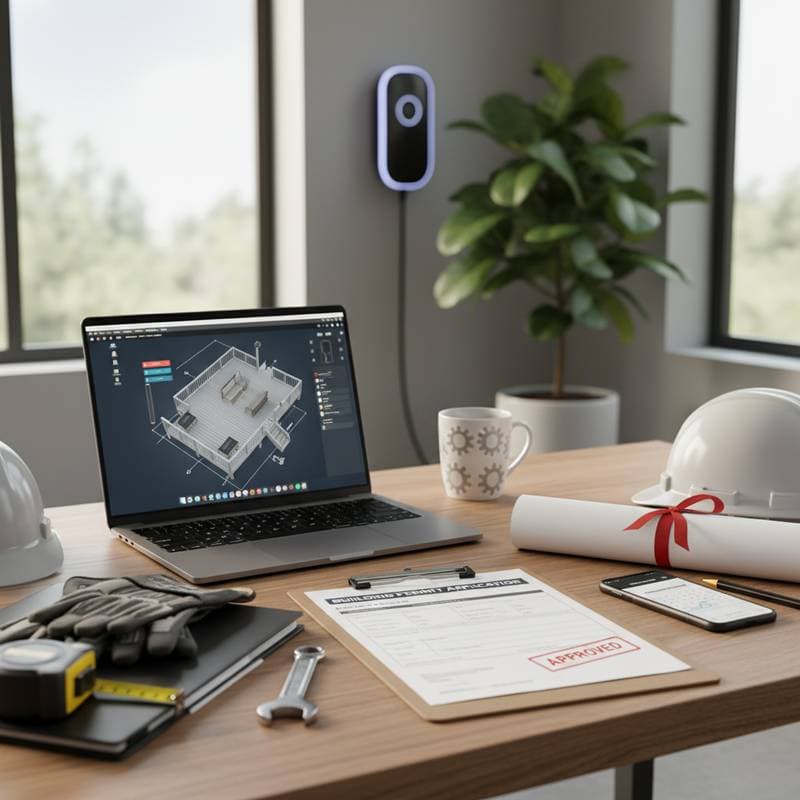
Introduction to Permit Requirements for DIY Projects in 2026
Building codes evolve to prioritize safety, energy efficiency, and environmental resilience. In 2026, many common DIY home improvement tasks fall under stricter regulations. Homeowners must obtain permits for projects that affect structural integrity, electrical systems, plumbing, or outdoor modifications. Failure to secure approval can result in hefty fines, voided insurance coverage, or challenges during home sales. This article examines key projects requiring permits, outlines application steps, and provides guidance on balancing DIY enthusiasm with regulatory adherence.
Projects Requiring Permits
Numerous DIY endeavors now necessitate official oversight. Below, specific examples highlight common requirements, costs, and considerations. These focus on updates driven by 2026 code revisions emphasizing durability and sustainability.
1. Roof Replacements and Structural Repairs
Replacing shingles alone may trigger permit needs in certain areas to confirm compliance with new weatherproofing protocols for underlayment and flashing. Structural interventions, such as rafter or truss replacements, mandate permits universally to assess load-bearing capacity and material standards.
Permit cost: $150 to $500.
Timeline: Approval typically occurs within one week, followed by pre- and post-completion inspections to verify adherence.
Homeowners should prepare detailed plans, including material specifications, to expedite reviews. Inspectors evaluate for proper ventilation and insulation integration, which enhance energy performance.
2. HVAC Replacements and Duct Work
Projects involving central air addition, furnace replacement, or duct rerouting require permits to ensure proper airflow, venting, and alignment with energy efficiency benchmarks. Authorities verify installations prevent hazards like carbon monoxide accumulation.
Permit cost: $100 to $300.
DIY factor: Skilled individuals may attempt basic tasks, yet professionals handle complex elements to avoid inefficiencies or safety risks. Certification often proves essential for warranty validity.
Submit system diagrams and equipment details during application. Post-installation tests confirm balanced pressure and sealed connections, safeguarding indoor air quality.
3. Fence Installations
Erecting a backyard fence involves permits due to height limits, setback distances, and boundary delineations. Municipalities may demand property surveys to prevent encroachments.
Permit cost: $50 to $200.
Common mistake: Positioning structures too near lot lines without verification. Review zoning maps and consult neighbors early to align with community guidelines.
Applications require sketches showing dimensions and materials. Inspections ensure stability against wind loads and integration with landscaping features.
Navigating Local Permit Regulations
Requirements differ significantly across jurisdictions, rendering generalized information insufficient. Access municipal websites for permit portals featuring project-specific searches and fee estimators. Absent online tools, contact the building department via telephone for direct assistance.
Prepare precise project descriptions when inquiring, such as "I plan to construct a 12-by-16-foot deck connected to the residence." This specificity enables staff to provide targeted recommendations. Homeowners frequently secure permits independently, accepting accountability for code conformity. Alternatively, hire contractors to manage applications, which streamlines the process at a modest additional expense.
Gather necessary documents, including site plans and contractor licenses if applicable. Track application status through designated portals to anticipate timelines and prepare for queries.
Choosing Between DIY and Professional Assistance
Evaluate project complexity to determine involvement level. Certain tasks suit capable homeowners, while others demand expert intervention for compliance and safety.
Suitable for DIY:
- Interior painting and trim refinishing
- Floating floor installations
- Fixture replacements
- Shelving or cabinet additions
Require professional expertise:
- Modifications to building structure
- Electrical panel enhancements
- Heating, ventilation, and air conditioning setups
- Plumbing system relocations
Adopt this principle: Engage specialists for any work touching electrical wiring, water lines, gas connections, or foundational elements. Even with personal labor, obtain contractor feedback on designs to affirm regulatory alignment. This hybrid approach maximizes control while minimizing risks.
Accounting for Regional Variations
Geographic factors influence standards profoundly. Coastal zones impose rigorous wind resistance and flood mitigation rules. Mountainous regions prioritize snow accumulation and earthquake preparedness measures. Dense urban settings enforce aesthetic and privacy zoning to maintain neighborhood character.
Assess your property's status regarding historic preservation areas, flood-prone territories, or wildfire interfaces. Such classifications introduce supplementary evaluations. Although procedural, these steps align improvements with area-specific durability objectives, fostering long-term protection.
Consult regional handbooks or maps for overlays affecting your site. Factor in climate data to select resilient materials that satisfy localized codes.
Strategies for Effective Project Execution
Initiate contact with authorities prior to material purchases to clarify needs. Maintain a comprehensive project file containing invoices, blueprints, and permit documents for reference. Capture photographic evidence of each phase before enclosing areas like walls or subfloors.
Adhere strictly to inspection protocols without concealing elements prematurely. Successful clearances affirm professional-grade execution. Compliance not only averts penalties but also equips you for subsequent endeavors with greater assurance.
Budget for potential revisions based on feedback. Network with local DIY communities for insights on streamlining approvals in your vicinity.
Securing Long-Term Benefits Through Compliance
Permitting integrates seamlessly into initial planning, transforming potential obstacles into safeguards. View approvals as investments enhancing property appeal and functionality. Verified modifications signal diligence to prospective purchasers, appraisers, and insurers alike.
This disciplined method yields enduring advantages, from elevated market value to uncompromised habitability. Prioritize regulatory engagement in your next initiative to realize these outcomes without interruption.