
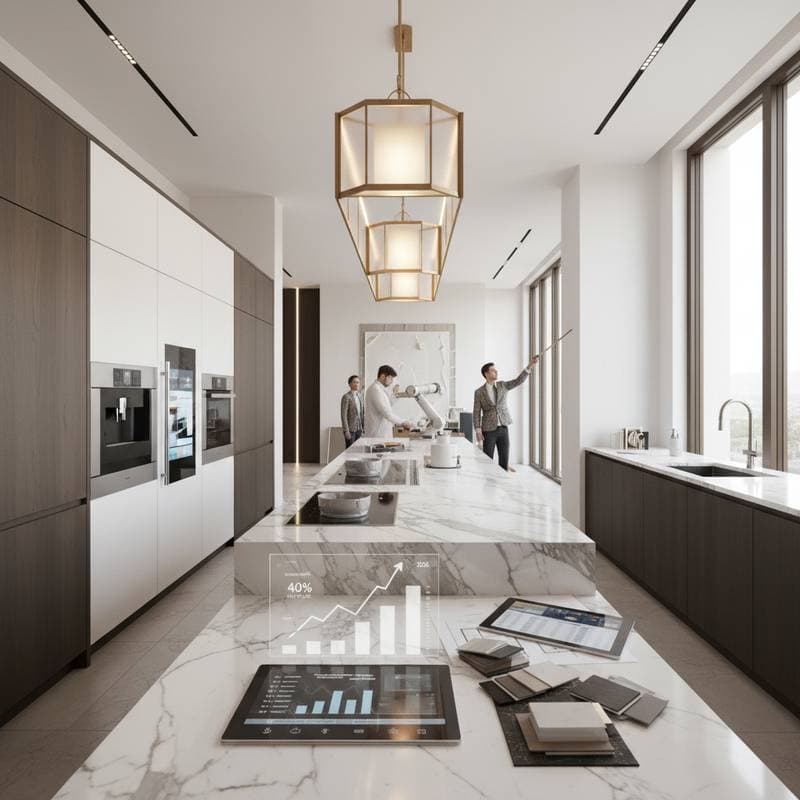
Luxury Kitchen Remodel Costs Projected to Rise 40 Percent by 2026 – Start Planning Now
Homeowners planning a luxury kitchen remodel should begin preparations immediately. Industry forecasts indicate that high-end renovation expenses will rise significantly, with projections reaching up to 40 percent in the near term. Such increases can transform aspirational features like custom millwork, integrated wine storage, and voice-activated systems into substantial financial challenges. Proactive budgeting and strategic timing enable individuals to safeguard their visions while optimizing value.
This resource examines the primary drivers behind escalating costs, provides a detailed expense overview, and outlines steps for developing a timeline that aligns with market realities.
Detailed Cost Breakdown for Luxury Kitchen Remodels
The definition of luxury varies by region and personal preferences, yet certain expense categories remain predictable in upscale projects. The following table offers a comprehensive view of typical allocations, based on current market data for projects spanning 200 to 400 square feet.
| Project Component | Budget Range | Notes |
|---|---|---|
| Custom Cabinetry | $40,000 - $80,000 | Encompasses bespoke designs, premium woods like walnut or lacquer finishes, and professional installation |
| Countertops (Quartzite or Marble) | $10,000 - $25,000 | Influenced by slab size, vein patterns, and custom edges such as ogee or bullnose |
| Premium Appliances | $20,000 - $50,000 | Features sub-zero refrigerators, induction cooktops with precision controls, and Wi-Fi-enabled dishwashers |
| Flooring | $8,000 - $15,000 | Options include wide-plank oak, heated marble tiles, or oversized porcelain with anti-slip treatments |
| Lighting and Electrical | $5,000 - $12,000 | Incorporates recessed cans, dimmable pendants, smart hubs for automation, and dedicated circuits |
| Plumbing Fixtures | $3,000 - $8,000 | Covers vessel sinks, touchless faucets, and integrated reverse-osmosis systems |
| Labor and Installation | $35,000 - $70,000 | Accounts for certified carpenters, plumbers, electricians, and on-site coordination |
| Design, Permitting, and Contingency | $10,000 - $20,000 | Includes architect consultations, structural engineering reviews, and a 10-15 percent reserve for unforeseen issues |
Complete luxury kitchen overhauls generally total between $130,000 and $250,000, adjusted for local economies and project scale. Under the anticipated 40 percent escalation, these figures may climb to $180,000 through $350,000 for those who postpone decisions.
Strategies for Managing Costs Ahead of the Increase
Individuals who initiate planning promptly gain greater control over expenditures. Essential practices involve obtaining fixed-price commitments, refining specifications, and anticipating economic shifts.
Finalize Design Specifications Promptly
Begin by collaborating with a certified interior designer specializing in kitchens. Request 3D visualizations, material swatches, and a bill of quantities to clarify selections. This process facilitates precise supplier inquiries and contractual agreements before costs accelerate.
Procure Extended-Lead-Time Elements First
Items such as semi-custom cabinetry from European artisans or natural stone imports often require 12 to 16 weeks for delivery. Place orders upon design approval to sidestep premium surcharges for expedited production and to align with contractor availability. Advance procurement also shields against volatility in global commodity markets.
Solicit and Compare Contractor Proposals
Obtain at least three comprehensive estimates from licensed general contractors experienced in luxury builds. Require each proposal to detail labor hours, material grades, and phased timelines. This evaluation reveals discrepancies, ensures competitive rates, and highlights value-added services like sustainable sourcing.
Establish a Robust Contingency Allocation
Renovations frequently uncover issues such as outdated wiring or moisture-damaged joists during demo phases. Reserve 10 to 15 percent of the overall budget for such variables. This provision maintains project momentum and avoids borrowing or scaling back on key elements.
Address Permitting and Compliance Early
Advanced setups like commercial-style hoods or multi-zone water heaters demand adherence to stringent codes. Engage a permitting specialist to submit blueprints and engineering stamps ahead of construction. Expect fees of $1,000 to $3,000, varying by jurisdiction, to preempt rework and fines.
Accounting for Regional Pricing Differences
Location significantly impacts overall outlays. Urban centers on the East and West Coasts endure elevated wages for artisans and premiums on imported goods due to high demand and shipping constraints. In contrast, interior regions like the Midwest provide more affordable labor pools, though sourcing exotic materials may incur freight costs.
Resort destinations in mountainous zones often add 10 to 20 percent for logistics and seasonal workforce availability. Adjust baseline projections accordingly, and consider consulting local trade associations for area-specific benchmarks.
Considerations for Insurance and Future Value
Luxury upgrades extend beyond functionality to influence protection and market appeal. Notify your insurer prior to commencement, as additions like high-BTU gas lines or custom islands may necessitate policy riders for adequate coverage against theft, fire, or water damage.
From a resale perspective, thoughtfully executed kitchens enhance property desirability among affluent buyers. Expect a return of 50 to 70 percent on investment through quicker sales and elevated offers. Maintain meticulous records of invoices, certifications, and as-built drawings to substantiate premium pricing.
Essential Practices for Project Execution
- Maintain comprehensive documentation of all agreements, payments, and change orders to resolve disputes efficiently.
- Conduct bi-weekly site inspections to monitor progress and identify deviations from the plan.
- Affirm all selections and modifications via email or formal addendums to prevent misunderstandings.
- Evaluate material samples in situ, testing under natural and artificial light to confirm aesthetic harmony.
- Prioritize ergonomic layouts, incorporating ample counter space, pull-out pantries, and intuitive appliance zones tailored to daily routines.
Safeguarding Your Renovation Investment Long-Term
Post-completion care preserves the quality and longevity of your space. Schedule annual professional cleanings for appliances and surfaces, and inspect seals on cabinets and fixtures biannually. These habits minimize wear, uphold warranties, and sustain the home's elevated market position as economic pressures mount.