
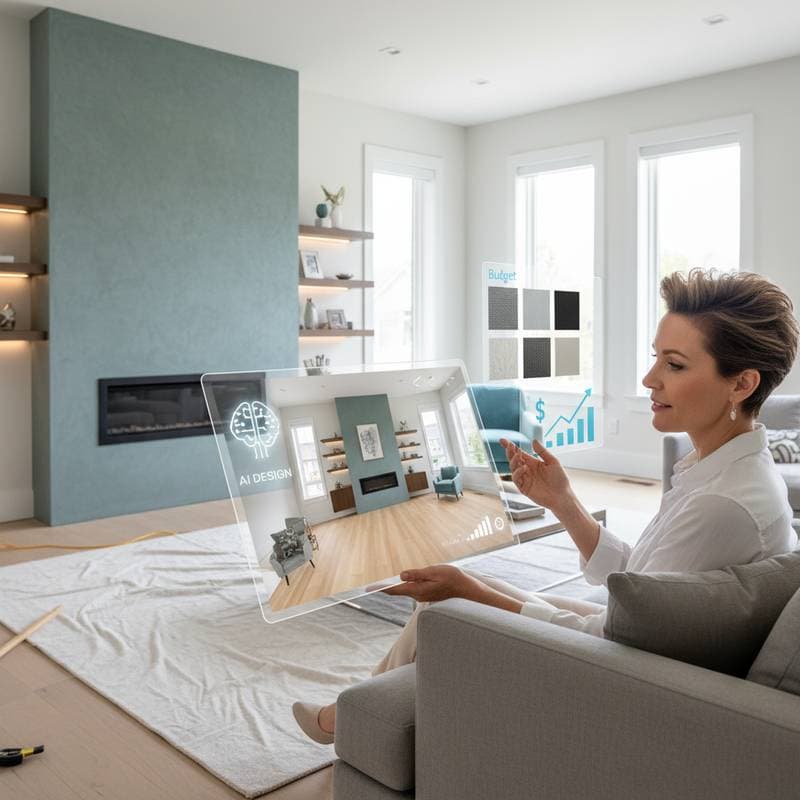
Transform Your Home with AI Design Planning Tools
Many homeowners struggle to envision changes to their living spaces before committing to purchases or renovations. Standing in a room and imagining new paint colors, flooring options, or furniture arrangements often leads to uncertainty. AI design planning tools address this challenge by enabling users to experiment virtually with various elements. These platforms provide clear visualizations that guide decisions and minimize risks associated with remodeling projects.
How AI Design Tools Function
AI design planners rely on sophisticated algorithms for image processing and three-dimensional modeling. Users begin by uploading photographs of their space or entering precise room measurements into the software. The system then constructs a detailed digital replica, allowing modifications such as replacing carpet with hardwood, altering wall hues, or updating lighting installations through simple interface interactions.
Advanced features simulate natural lighting conditions and viewing angles to produce accurate representations. For instance, the tool might adjust shadows based on the time of day or room orientation. This realism helps users assess how proposed changes interact with existing architecture and decor.
Personalization enhances the experience further. Platforms analyze user inputs on preferred aesthetics, such as selecting modern or traditional styles from predefined categories. The AI then curates suggestions, like pairing sleek metal accents with monochromatic schemes for contemporary looks or incorporating shiplap walls and woven textiles for rustic appeal. This process mimics consultation with an interior expert tailored to individual preferences.
Achieving Budget Clarity Through AI Planning
Effective financial planning forms a cornerstone of successful renovations, and AI tools integrate estimation capabilities to support this. As users adjust design elements, the software calculates approximate costs for materials, labor, and furnishings in real time. Setting a budget threshold, for example between $3,000 and $7,000, prompts the system to filter recommendations to fit within those parameters.
Users gain insights into value-driven choices by reviewing projected expenses alongside potential benefits. Kitchen remodels that incorporate open layouts or sustainable appliances frequently yield higher property values upon resale. Comparing virtual scenarios side by side reveals which modifications offer the best balance of cost and impact, preventing overruns during execution.
Integration with market data adds precision to these estimates. Tools pull current pricing from supplier databases, accounting for regional variations in material costs. This functionality equips homeowners to negotiate better with vendors and allocate funds strategically across project phases.
Supporting DIY Projects and Professional Partnerships
AI design platforms serve a wide audience, from independent project leaders to those collaborating with experts. For self-directed efforts, the software outlines sequential steps, such as preparing surfaces before applying finishes, and compiles comprehensive shopping lists with quantities and sources. This structured approach streamlines preparation and execution.
In professional settings, exporting digital models facilitates seamless communication. Sharing interactive 3D files with architects or builders aligns expectations and reduces revision cycles. Contractors can annotate plans directly, highlighting structural considerations or installation details.
Connectivity extends to e-commerce ecosystems. Users test virtual applications of specific products, like Sherwin-Williams paint swatches or Mohawk flooring samples, against their room's backdrop. Price comparisons across retailers occur within the platform, expediting procurement while ensuring selections harmonize with the overall vision.
Incorporating Safety and Practical Considerations
Excitement over virtual designs must balance with real-world feasibility. AI tools incorporate safety protocols by flagging potential issues, such as inadequate clearance around electrical outlets or non-compliant fixture placements under building codes. Users receive prompts to verify local regulations, ensuring designs meet standards for occupancy and durability.
Practicality extends to maintenance and usability. The software evaluates factors like slip-resistant flooring in high-traffic areas or hypoallergenic materials for allergy-prone households. Energy efficiency simulations highlight options that lower utility bills, such as LED integrations or insulated window treatments, promoting long-term sustainability.
Testing for functionality proves invaluable. Virtual walkthroughs reveal navigation flow in updated layouts, identifying bottlenecks like narrow pathways. This proactive evaluation avoids post-installation adjustments, saving both time and resources.
Realizing Your Vision in Physical Spaces
Transitioning from digital prototypes to tangible outcomes requires careful implementation, yet AI planning equips users for success. Confirmed color harmonies and spatial arrangements translate directly to on-site work, fostering efficiency among crews. Homeowners experience reduced stress, knowing each element aligns with their curated blueprint.
The result manifests as cohesive environments that enhance daily living. A refreshed bedroom might feature balanced lighting that promotes relaxation, while a revamped outdoor patio integrates seamless indoor-outdoor connections. These transformations not only elevate aesthetics but also boost functionality and property appeal.
Ultimately, leveraging AI tools empowers informed choices that maximize satisfaction. Homeowners achieve personalized sanctuaries without the pitfalls of uninformed decisions, blending innovation with practicality for enduring results.