
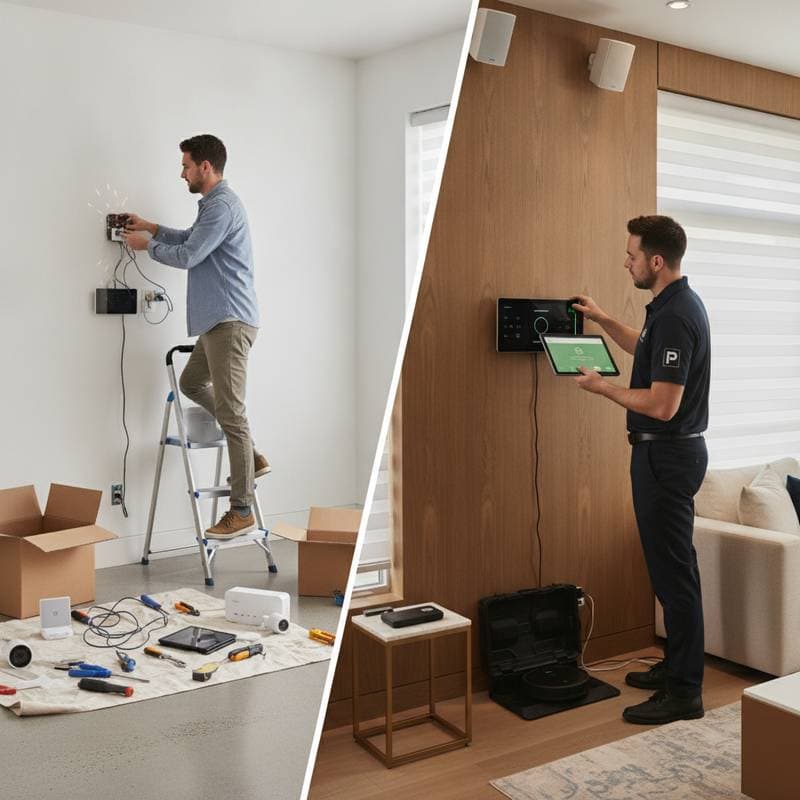
Smart Home Setup Costs: DIY Compared to Professional Installation
Smart home technology adds convenience and efficiency to daily routines. Homeowners must weigh the tradeoffs between handling installation themselves and hiring trained technicians. This comparison examines actual expenses, potential pitfalls, and decision factors that influence long term results.
Core Components and Their Typical Price Ranges
Several device categories form the foundation of most smart home projects. Lighting controls, security cameras, door locks, thermostats, and voice assistants represent common starting points. Each category carries distinct hardware costs that remain similar whether installed by the owner or by a professional.
- Lighting systems range from 15 to 50 dollars per switch or bulb.
- Security cameras cost between 50 and 200 dollars each depending on resolution and storage options.
- Smart locks fall between 100 and 300 dollars per entry point.
- Thermostats usually require 100 to 250 dollars for a reliable model.
- Hubs or controllers add another 50 to 150 dollars when needed for system integration.
These figures cover equipment only. Additional line items appear once labor or troubleshooting enters the picture.
Direct Costs of a DIY Approach
A do it yourself route eliminates labor charges yet introduces other requirements. Owners purchase the same hardware plus any needed tools or accessories. Basic electrical testers, wire strippers, and smartphone applications often suffice for simple upgrades.
Most users complete lighting or thermostat swaps in a single afternoon. More complex security networks may require several weekends. Success depends on comfort with wiring diagrams and mobile application configuration. When issues arise, owners absorb the time cost of research and repeated attempts.
Fees Associated with Professional Installation
Technicians charge for both time and expertise. Hourly rates commonly fall between 75 and 150 dollars. A whole home package that includes five to ten devices typically totals 500 to 2000 dollars in labor. Some companies offer flat rate pricing for popular bundles such as lighting plus security.
Professionals also handle permitting when local codes require it. They test every connection before departure and provide documentation for warranty claims. This service level reduces the chance of configuration errors that could compromise system performance.
Expenses That Appear After Initial Setup
Both paths carry secondary costs that surface later. Firmware updates, subscription services for cloud storage, and replacement batteries add recurring charges of 5 to 30 dollars per month. Inadequate initial placement may necessitate moving sensors or adding range extenders at a later date.
DIY projects sometimes require extra hubs or wiring adapters after the first attempt fails. Professional jobs can incur change order fees if homeowners request additional features mid project. Planning device locations carefully before purchase helps limit these surprises.
Factors That Guide the Final Choice
Budget size, technical experience, and project scope determine the better route. Simple single device additions reward a DIY effort. Whole home security or multi room audio systems benefit from professional coordination. Properties with older electrical panels may need an electrician regardless of who performs the smart device work.
Warranty terms also matter. Certain manufacturers extend coverage only when certified installers complete the work. Homeowners who value rapid troubleshooting and ongoing support often accept higher upfront fees to secure those protections.
Steps to Achieve Reliable Results
Measure each room and note existing wiring locations before buying equipment. Create a prioritized list that begins with high impact, low complexity items. Test one device fully before expanding the network. Keep all packaging and receipts until every component operates correctly.
When professional help is engaged, request itemized quotes that separate hardware from labor. Verify that the installer holds current licensing and insurance. Schedule a follow up visit thirty days after completion to confirm continued performance.
Protecting the Value of the Investment
Regular maintenance preserves both function and resale appeal. Review system logs monthly and replace batteries on schedule. Update applications and firmware as soon as notifications appear. These habits extend equipment life and maintain the convenience that justified the original expense.