
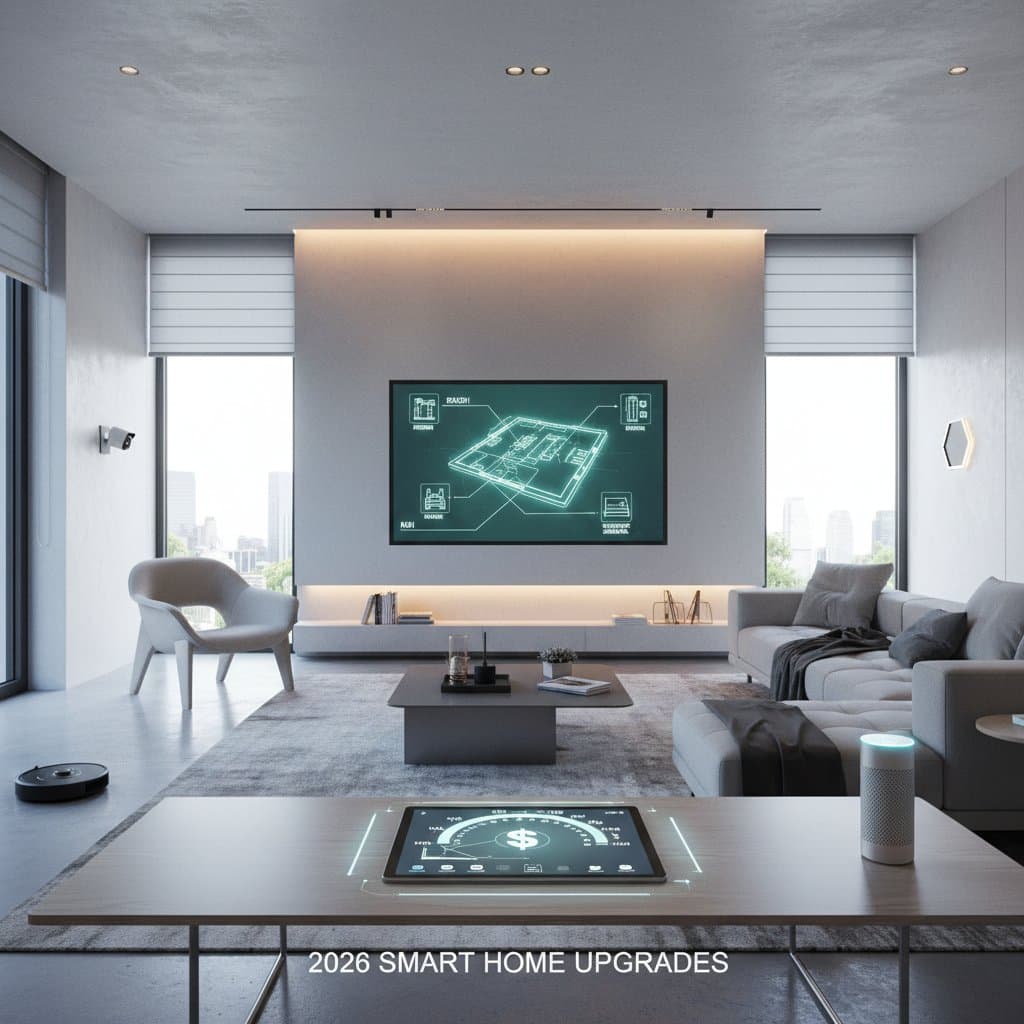
Introduction to Smart Home Remodeling in 2026
Smart home technology continues to advance, offering homeowners enhanced convenience, security, and efficiency. In 2026, remodel costs range from $150 for basic entry-level installations to $7,000 for comprehensive whole-home systems. These investments not only streamline daily tasks but also increase property appeal in competitive real estate markets.
Factors such as the scope of the project, chosen devices, and professional installation influence the final price. Homeowners can select from budget-friendly options that focus on single rooms or premium setups integrating voice controls, automation, and energy monitoring across the entire property. Understanding these elements allows for informed decisions that align with personal needs and financial constraints.
Cost Breakdown by Upgrade Tier
Smart home remodels fall into three primary tiers: entry-level, mid-range, and premium. Each tier builds on the previous, providing escalating levels of functionality and integration.
Entry-Level ($150 to $1,000)
This category suits beginners or those targeting specific areas. For instance, installing a single smart thermostat costs around $150, including the device and basic setup. Add smart plugs for appliances at $20 to $50 each, enabling remote control via smartphone apps.
A basic security camera system starts at $200, offering motion detection and night vision. These upgrades require minimal wiring and connect easily to existing Wi-Fi networks. Total costs remain low because they avoid custom installations or advanced hubs.
Mid-Range ($1,000 to $4,000)
Mid-range projects expand to multiple rooms, incorporating interconnected devices. A full lighting system with smart bulbs and switches averages $1,500, allowing scheduling and voice activation through platforms like Alexa or Google Home.
Keyless entry systems with smart locks and doorbells range from $500 to $1,000, providing remote access and visitor monitoring. Camera networks covering entry points and main areas add $800, with features like two-way audio. Professional wiring for reliable connectivity pushes costs higher but ensures seamless operation.
Energy-efficient additions, such as smart blinds or HVAC controls, contribute another $1,000. These setups often include a central hub for unified management, reducing reliance on individual apps.
Premium ($4,000 to $7,000)
Premium remodels deliver whole-home automation, ideal for tech-savvy households. Integrated systems with advanced sensors for lighting, climate, and security total $5,000 or more. Custom installations, including in-wall speakers and hidden wiring, account for the bulk of expenses.
High-end cameras and keyless entry systems boost perceived home value by an average of 5 percent, according to industry assessments. Full automation hubs with AI-driven routines, such as adjusting lights based on occupancy, add $1,500. These configurations support scalability, allowing future expansions without major overhauls.
Room-by-Room Upgrade Costs
Tailoring upgrades to specific rooms optimizes spending. Kitchens benefit from smart appliances like refrigerators with inventory tracking at $800 to $1,200. Install under-cabinet lighting and voice-controlled faucets for $300 more.
In living areas, entertainment systems with smart TVs and automated shades cost $1,000 to $2,000. Bedrooms require dimmable lights and temperature sensors for $400, enhancing comfort through app-based adjustments.
Bathrooms see gains from smart mirrors and shower controls at $500, while garages gain from automated doors and sensors at $600. Prioritizing high-traffic rooms yields the most immediate returns on investment.
Strategies for Budgeting and Savings
Effective budgeting starts with assessing current home infrastructure. Evaluate existing electrical systems and Wi-Fi strength to avoid unexpected upgrade fees. Allocate 20 percent of the budget for potential contingencies, such as compatibility issues with older devices.
Seek savings through phased implementations: begin with core security features, then add convenience elements. Purchasing bundles from manufacturers reduces costs by 10 to 15 percent. DIY installations for simple devices like plugs save on labor, though professionals handle complex wiring for reliability.
Consider long-term savings from energy-efficient upgrades. Smart thermostats lower utility bills by up to 15 percent annually, offsetting initial outlays. Resale value increases justify premium investments for those planning to sell within five years.
Pro Tips for a Successful Installation
- Define objectives early. Determine priorities like energy savings, ease of use, or enhanced protection to guide selections.
- Evaluate network performance. Weak Wi-Fi leads to frequent disruptions; upgrade routers if signal strength falls below 50 Mbps in key areas.
- Strategize device locations. Position hubs and panels in central, cool spots to prevent overheating and ensure broad coverage.
- Organize documentation. Maintain a secure digital file with serial numbers, passwords, and setup instructions for quick troubleshooting.
- Conduct trial runs. Test individual components in a limited space before scaling to the full home.
- Consult compatibility charts. Verify devices work with chosen ecosystems to avoid integration headaches.
- Schedule professional assessments. For budgets over $2,000, hire experts to map out optimal configurations.
Ensuring Long-Term Performance
Smart systems demand regular attention to remain effective. Perform quarterly reviews to update software, check power sources, and verify connections. Address any alerts promptly to prevent vulnerabilities.
Replace central hubs every five to seven years as technology evolves, ensuring ongoing support for emerging devices. Clean sensors and cameras monthly to maintain accuracy in detection and imaging.
Monitor usage patterns through built-in analytics to refine automations, further improving efficiency. These practices extend system lifespan and protect against cyber threats.
Realizing Lasting Benefits
A well-executed smart home remodel transforms living spaces into intuitive environments that adapt to residents' routines. Property values rise, daily efficiencies improve, and security strengthens, creating a foundation for future innovations. With strategic planning and diligent care, this investment delivers enduring value and peace of mind.