
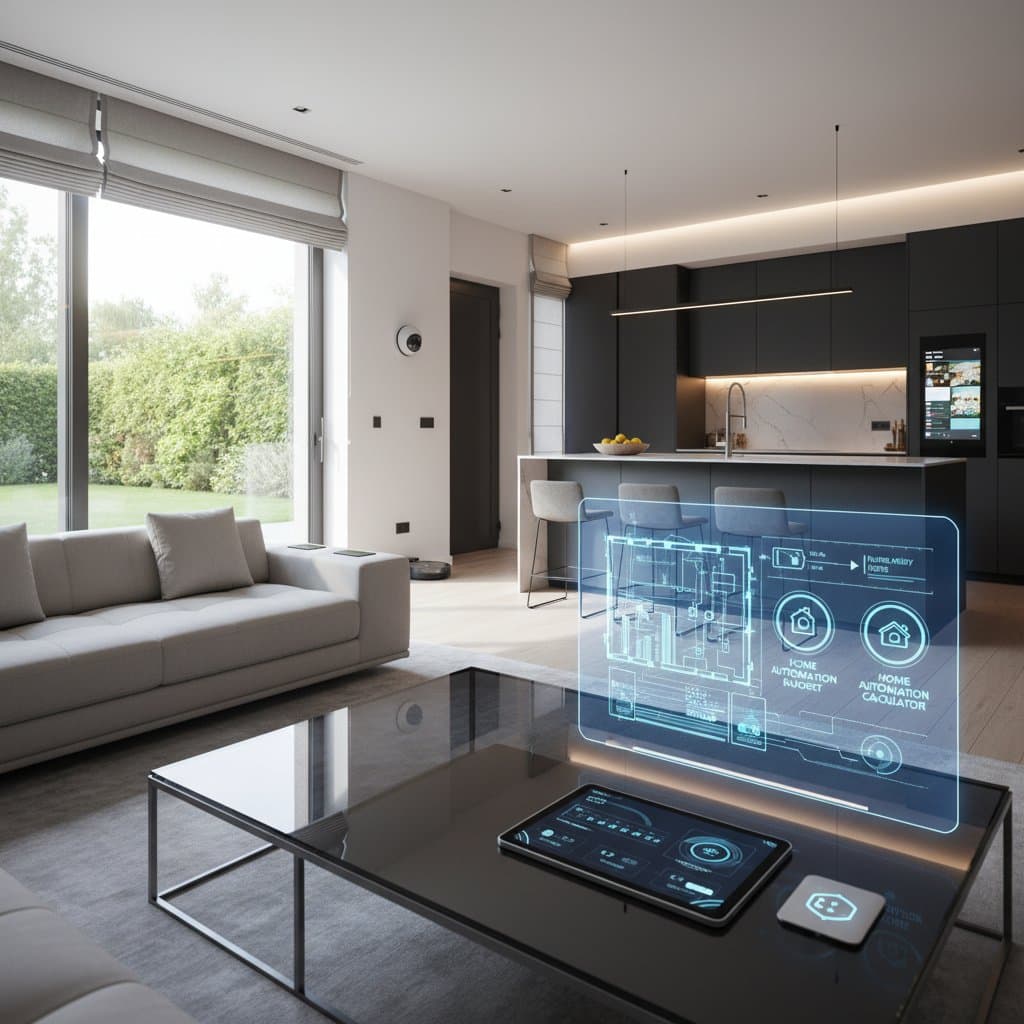
What 2026 Smart Home Remodels Will Really Cost
If you have been dreaming of turning your house into a smart, connected home, you are not alone. Smart home remodeling has shifted from futuristic fantasy to practical investment. Yet many homeowners still underestimate what these upgrades truly cost. The good news is that with careful planning, you can create a home that feels intelligent, efficient, and secure without overspending. This guide breaks down the real-world costs, systems, and decisions behind a smart home remodel so you can plan your project with confidence.
Cost Breakdown by Smart System Category
Smart home remodeling costs vary widely based on product quality, installation complexity, and house size. Here is what you can expect to spend when planning a balanced upgrade.
| Smart System | Typical Project Range | Professional vs. DIY |
|---|---|---|
| Lighting automation | $800 to $4,000 | DIY-friendly with plug-in switches, professional setup for built-in wiring |
| Climate control (HVAC integration) | $1,200 to $6,000 | Requires licensed technician for HVAC connection |
| Security & surveillance | $600 to $5,000 | DIY cameras affordable, wired systems need pro installation |
| Whole-home automation hub | $1,500 to $10,000 | Professional integration ensures consistent performance |
| Smart appliances & kitchen tech | $2,000 to $12,000 | Often bundled in appliance upgrades |
| Energy monitoring & solar integration | $1,000 to $8,000 | Professional electrical work recommended |
These figures represent installed costs, not just device prices. Labor, wiring, and configuration can add 20 to 40 percent to the total budget.
ROI and Long-Term Savings
Smart home investments often pay off through reduced energy bills and increased property value. Energy-efficient lighting and thermostats can cut utility costs by up to 20 percent. App-controlled irrigation systems reduce outdoor water use, and security upgrades appeal to prospective buyers. Real estate data shows that homes equipped with integrated smart systems often sell faster and closer to asking price.
To calculate potential return, compare your upfront cost against expected annual savings. A $5,000 investment in energy systems that saves $600 per year recoups its cost in roughly eight years, while continuing to add long-term value.
Common Mistakes and How to Avoid Them
Many homeowners rush into smart remodeling without a clear plan. Here are frequent pitfalls to avoid:
- Overloading your network with too many connected devices before upgrading your router
- Mixing incompatible brands that require multiple apps and reduce automation reliability
- Ignoring power management which can cause tripped breakers or inconsistent performance
- Skipping professional setup for complex wiring, leading to system instability
A clear design plan prevents frustration and keeps devices communicating smoothly.
Pro Tips for Success
- Test before committing by starting with one or two rooms. Learn how automation fits your lifestyle before expanding.
- Document your setup including router settings, device passwords, and serial numbers. This simplifies maintenance and troubleshooting.
- Invest in surge protection for sensitive electronics, especially if you live in storm-prone areas.
- Schedule regular firmware updates to maintain security and compatibility.
- Revisit automations seasonally to match changing daylight and temperature patterns.
These small habits keep your smart home operating efficiently and prevent costly downtime.