Who Should Pull Your Building Permits and Why It Matters
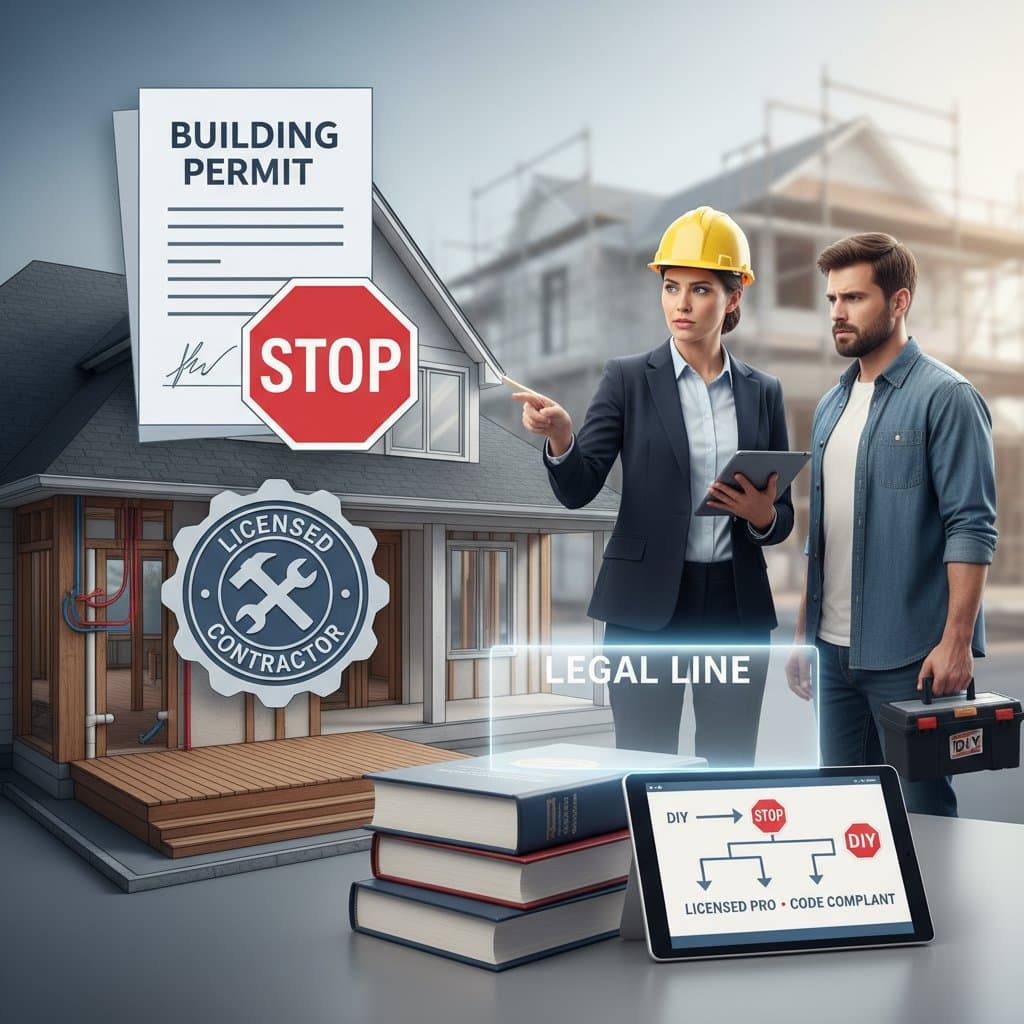
Building permits protect your home’s safety, value, and compliance—but who should handle them?
Loading...
Articles tagged with licensing
Building permits protect your home’s safety, value, and compliance—but who should handle them?
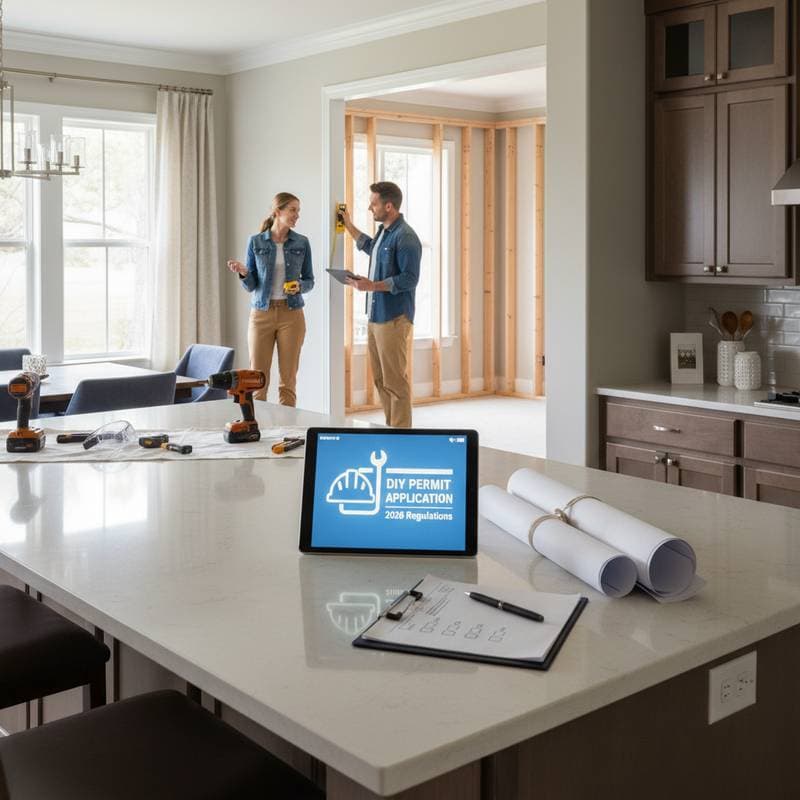
Starting in 2026, even weekend DIY projects may need official permits. New regulations aim to boost safety, consistency, and home value—but they also add costs, paperwork, and inspections. Learn which projects now require approval, the risks of skipping permits, and how homeowners can adapt to this changing renovation landscape.
In 2026, certain DIY home projects venture into illegal territory without proper permits or professional help. Electrical rewiring and structural alterations demand attention to maintain safety, preserve property value, and secure insurance. Understand legal thresholds and implement strategies for compliant home improvements.
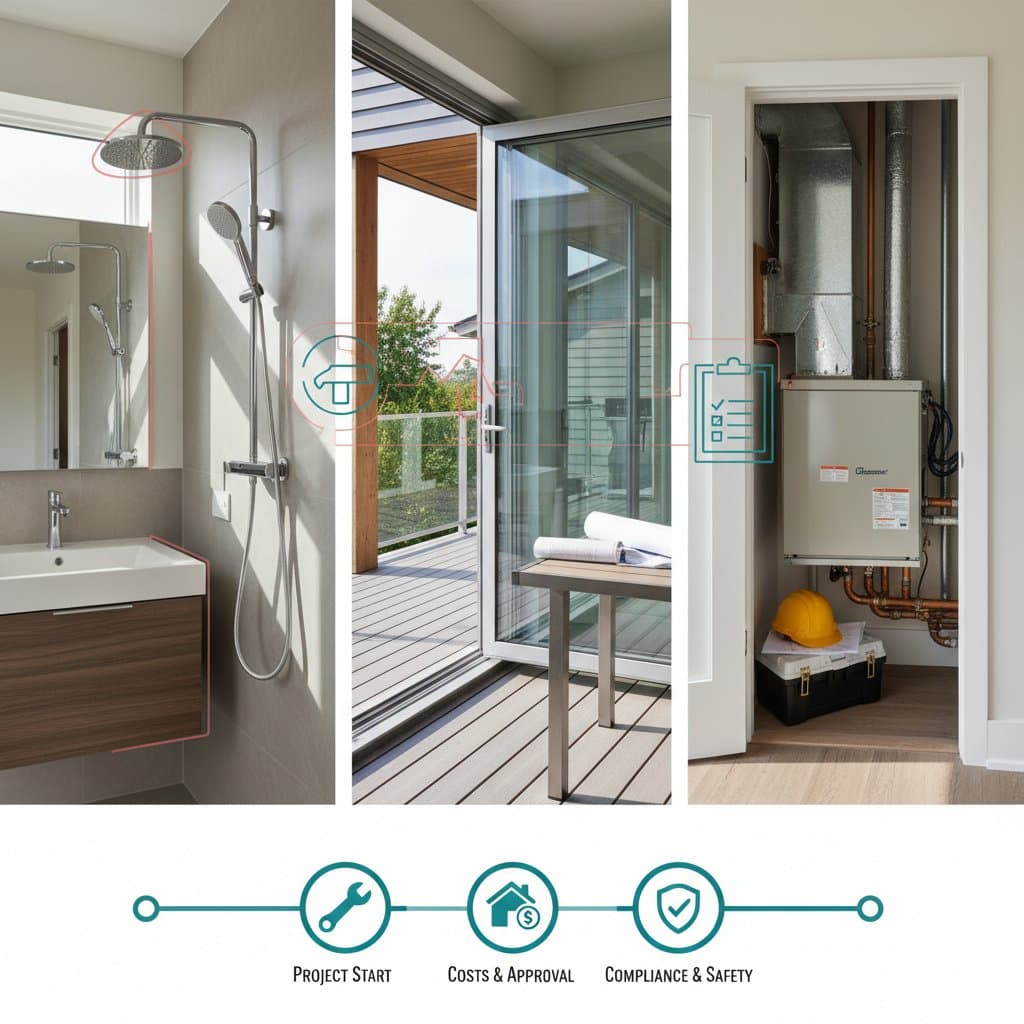
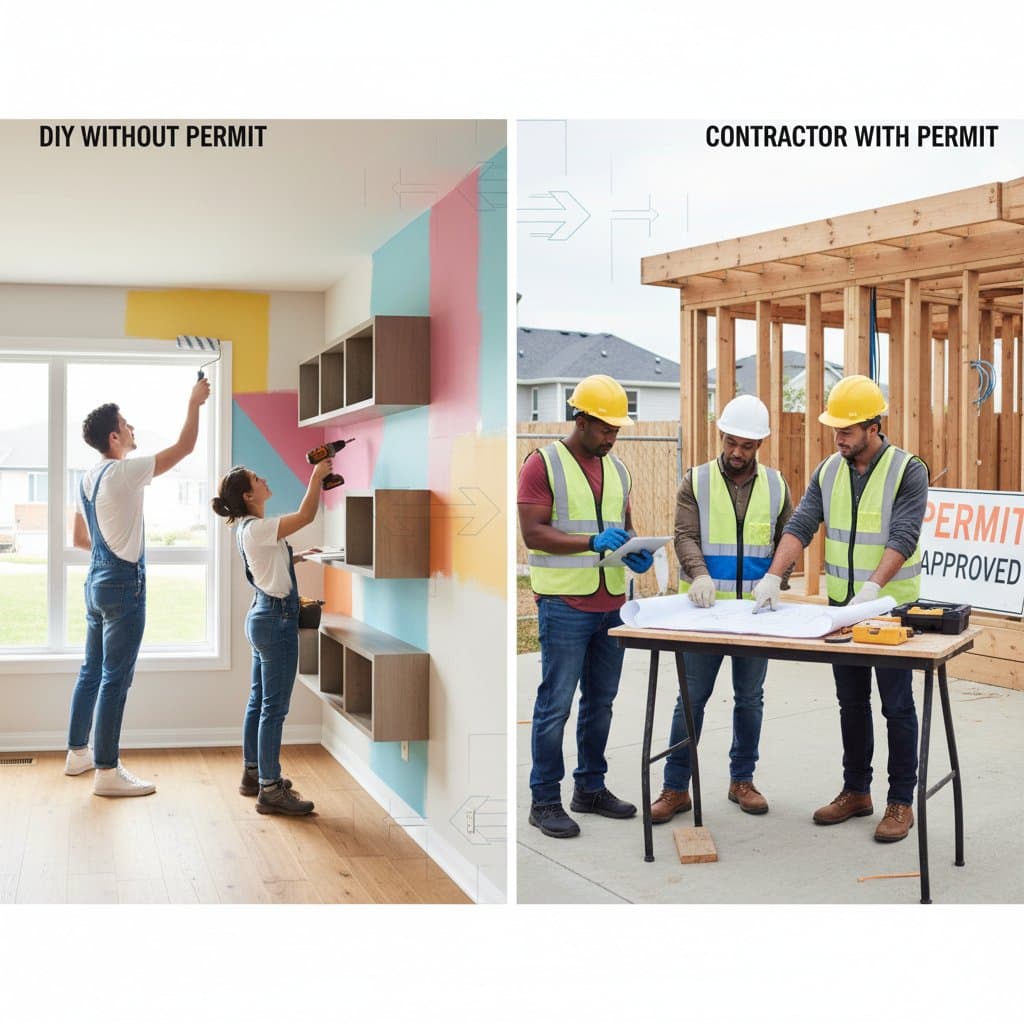
Many homeowners overlook permits for minor renovations, yet projects like plumbing swaps, deck builds, and HVAC upgrades often require them. Understand permit requirements, hire qualified experts, and prevent fines or safety issues to protect your home's value.
Master 2025 permit and contractor regulations to prevent renovation delays and protect your investment. From structural changes to energy upgrades, learn how to verify requirements, budget accurately, and select licensed professionals for a compliant, efficient remodel.
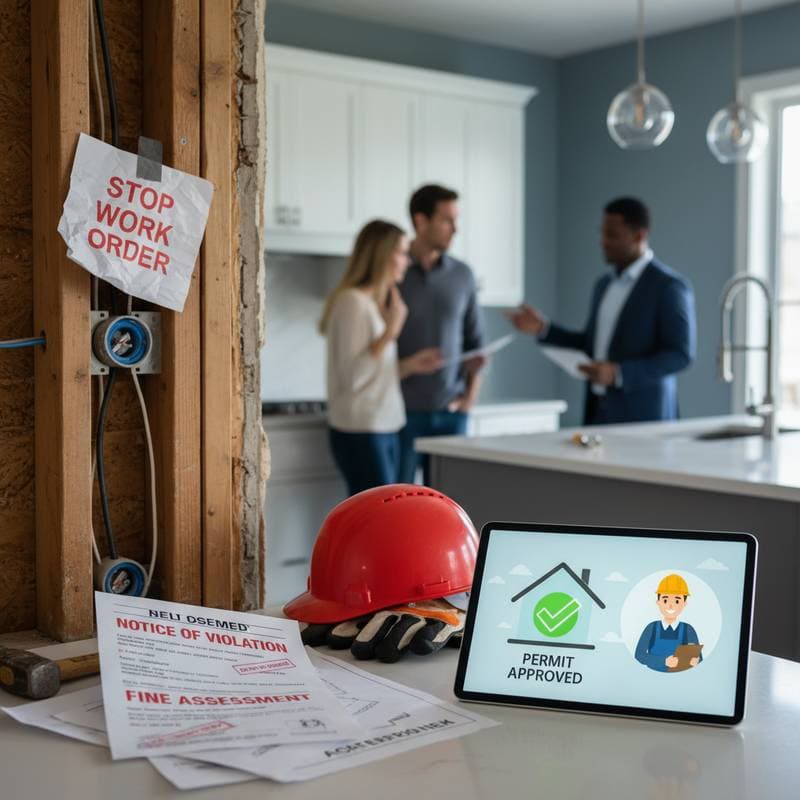
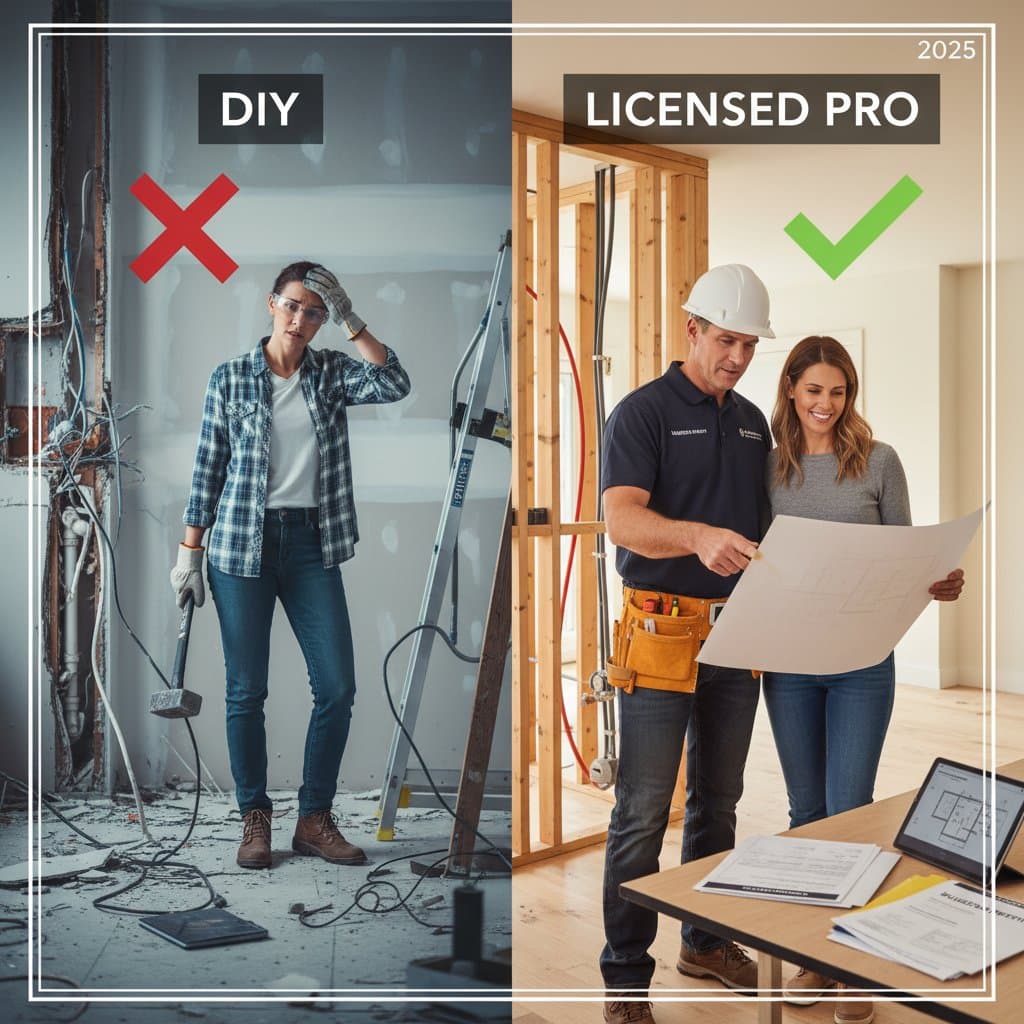
Home improvement projects offer savings through DIY efforts, yet neglecting permits leads to substantial fines, inspection failures, and long-term complications. This guide explains permit necessities, homeowner liabilities, and the advantages of professional involvement to safeguard your budget and property value.
Embark on DIY home projects with confidence by understanding permit requirements. While minor tasks stay permit-free, major structural, electrical, or plumbing work demands contractor approval. This knowledge safeguards safety, finances, and marketability, turning potential pitfalls into seamless successes.
Planning a kitchen renovation? Identify DIY tasks that need permits to stay safe and legal. From electrical updates to plumbing additions, learn to navigate codes and decide on professional help for a seamless project.
Planning a kitchen transformation? Understand permit requirements to balance DIY savings with legal obligations. This guide covers essential rules, common pitfalls, and strategies for successful, code-compliant remodeling that enhances safety and resale potential.
Many DIY home projects, such as deck repairs or water heater installations, require building permits despite appearing simple. This guide identifies key projects needing approval, explains the importance of compliance, and provides steps to navigate the process effectively, preventing fines and ensuring long-term safety.
Certain home projects, such as electrical wiring, plumbing relocations, and deck constructions, legally demand licensed contractors. This resource outlines these requirements, the importance of permits, and strategies to prevent expensive errors, promoting secure and regulation-compliant renovations.
Embark on home upgrades with confidence by identifying the point where DIY efforts must yield to expert intervention. This resource details projects needing permits, the hazards of bypassing regulations, and the advantages of engaging licensed specialists to maintain compliance, insurability, and enhanced property value.
Navigating permits for DIY home projects prevents costly errors and ensures compliance. This guide details permit-free tasks, mandatory professional involvement, and steps to check local regulations, helping you enhance your home safely and efficiently.
Building permits enforce standards that safeguard homes from hazards and ensure lasting quality. Licensed contractors manage compliance, inspections, and risks, turning potential challenges into secure investments that boost property value and buyer confidence.
Certain home improvement projects necessitate permits and professional involvement to maintain safety, comply with codes, and preserve value. This includes electrical rewiring, structural modifications, plumbing updates, HVAC systems, roofing repairs, and significant additions. Proper oversight prevents fines, inspection failures, and hazards while safeguarding your investment.
Every DIY home project carries a layer of legal requirements, from permits to inspections, that protect safety, property value, and compliance. This guide explains when approvals are necessary, the consequences of skipping them, and steps for smooth, legal renovations that enhance your home securely.
Pause before starting your next DIY renovation: determine if a permit is required to protect your project from legal issues. This comprehensive guide covers the reasons for permits, typical projects that demand them, the application steps, and strategies to maintain compliance while maximizing your home's safety and resale potential.
Before beginning any home renovation, determine which projects require building permits. Structural modifications, electrical upgrades, and plumbing changes often necessitate official approval to avoid penalties, insurance complications, and safety risks. This guide outlines essential considerations for balancing creativity with legal requirements.
Planning a DIY home upgrade in 2025? Certain projects, from structural changes to electrical work, demand permits to comply with building codes. This guide outlines key requirements, benefits of adherence, and steps to navigate the process smoothly for secure, valuable improvements.
As of 2025, stricter permit laws transform common DIY home projects into regulated endeavors. Electrical, plumbing, and structural modifications demand licensed professionals and official approvals to enhance safety and maintain property integrity. Homeowners benefit from these measures through reduced risks and increased resale appeal.