
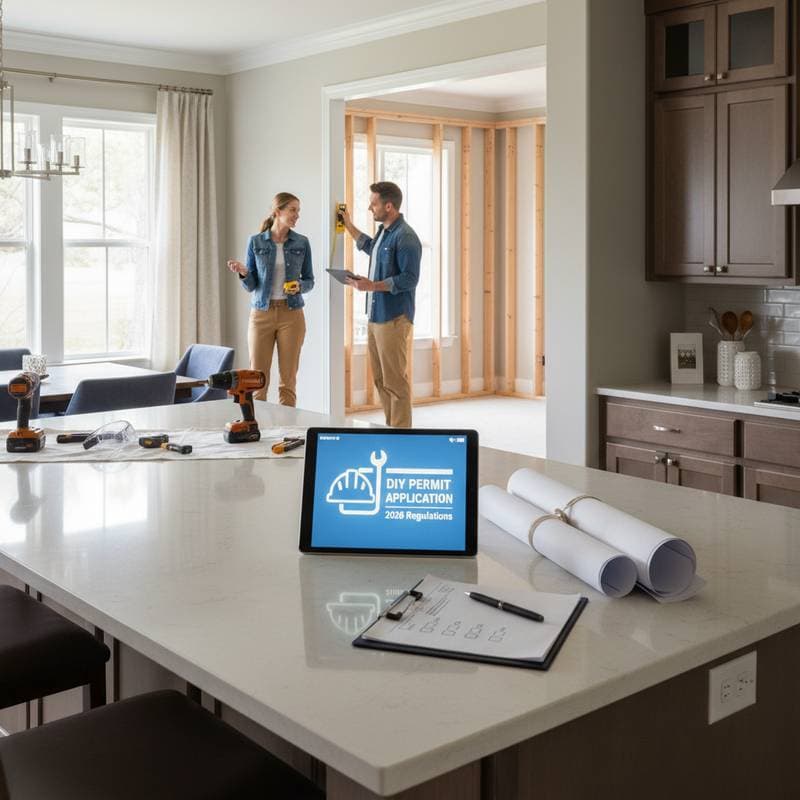
The Emerging DIY Permit Era: What Homeowners Need to Know
You might remember the thrill of a quiet Saturday morning, coffee in hand, tools spread across the garage floor, and a half-finished deck waiting for you outside. That sense of freedom, of taking control of your own home improvement journey, is part of what makes the DIY movement so deeply satisfying. But the landscape of do-it-yourself home projects is shifting. A new wave of permit requirements is reshaping what homeowners can legally tackle on their own.
These evolving regulations are not meant to crush creativity. They aim to bring consistency, safety, and accountability to home renovation practices. Yet for everyday DIYers, they introduce a critical new layer of responsibility that changes how projects are planned and executed.
Why DIY Permits Are Becoming Standard
Across many regions, local governments have been tightening building codes in response to safety concerns and unregulated construction. Home projects once considered minor, like installing electrical outlets, replacing plumbing fixtures, or modifying structural elements, now often require permits.
Officials say the goal is to reduce risks related to fire hazards, water damage, and structural instability. Unpermitted work can create long-term safety concerns, affect insurance coverage, and complicate property valuations. By requiring permits, municipalities ensure that home improvements meet established standards and that inspections verify proper installation.
From a homeowner’s perspective, the rules can feel restrictive. But viewed through the lens of sustainability and long-term investment, they bring value. A permitted and inspected project contributes to the overall safety and durability of a home, protecting both current residents and future buyers.
What Projects Now Require a Permit
The specifics vary by region, but several categories are consistently appearing on new permit requirement lists.
Common projects now likely to need permits include:
- Electrical rewiring or adding new circuits
- Plumbing modifications beyond simple fixture swaps
- Structural changes such as removing load-bearing walls
- Installing or replacing HVAC systems
- Adding decks, patios, or accessory structures
- Roof replacements and significant exterior alterations
Minor aesthetic updates like painting, tiling, or replacing cabinet doors typically remain exempt. Yet even these tasks can cross into permit territory if they involve systems hidden behind walls or under floors.
Average permit costs range from around 50 to several hundred dollars, depending on project scale. Complex upgrades that require multiple inspections can reach into the thousands. Although it may seem like an added expense, skipping the process can cost far more in penalties or future remediation.
The Real Cost of Skipping Permits
It is tempting to think that no one will notice a new deck or that a small electrical update is harmless. But unpermitted work can have lasting financial and legal consequences. If discovered during a home sale, lenders may refuse financing until the issue is resolved. In some jurisdictions, fines can reach several times the original permit fee.
Insurance companies may also deny claims related to unpermitted work. If a fire starts from an unapproved wiring modification, the insurer can argue negligence. The result can be devastating both financially and emotionally.
Beyond the legal implications lies a more personal cost. DIY work carries pride and satisfaction, but those feelings are diminished if the project creates risk for family or neighbors. Permits exist to verify that your hard work contributes safely to your home’s long-term value.
How to Navigate the New Requirements
Adapting to this new environment starts with research and planning. Most local building departments provide online permit guides that outline which projects require approval. A quick consultation can prevent costly missteps later.
Steps to stay compliant:
- Define your project clearly. List the materials, systems, and spaces involved.
- Check your local codes. Contact your city’s building department or browse its website for permit categories.
- Estimate costs and timelines. Include permit fees and inspection scheduling in your project plan.
- Submit detailed applications. Provide sketches, material lists, and sometimes photographs.
- Schedule inspections. Inspectors verify compliance at various stages, ensuring that safety standards are met.
For complex projects, partnering with a licensed contractor may be the best option. Many contractors handle permit applications as part of their service, which can save time and reduce stress.
When to Hire a Professional
The distinction between a DIY-friendly project and one requiring professional oversight is becoming sharper. Installing flooring or painting is typically safe territory. But anything involving electrical, plumbing, or structural changes often benefits from expert help.
Hiring a licensed professional does not diminish your DIY spirit. It expands your resources, ensuring that your creative vision meets safety standards and legal requirements. Look for contractors with current licenses and positive local reviews, and always request proof of insurance.
Building on Your Skills
One of the best outcomes of this regulatory shift is the encouragement for homeowners to deepen their knowledge. Many local community colleges and hardware stores now offer short courses in code-compliant renovations. These workshops teach safe wiring practices, plumbing basics, and structural planning.
Taking part in these programs builds confidence while helping you stay compliant. It also strengthens the sense of craftsmanship that defines successful home improvement.
Pro Tips for Success
- Keep records. Save all permits, receipts, and inspection approvals. They add credibility to your home’s maintenance history.
- Plan ahead. Factor permit approval times into your project timeline to avoid delays.
- Ask questions. Inspectors and code officers are valuable resources. Their insights can help you avoid common pitfalls.
- Think long-term. A compliant project enhances resale value and ensures safety for years to come.
Maintaining Your Investment
Following permit requirements may seem like a bureaucratic hurdle, yet it ultimately protects what matters most: your home’s integrity and your peace of mind. The satisfaction of a completed project remains, only now it carries the assurance that every improvement meets recognized safety and quality standards.
The next time you pick up your tools, think of the permit process as part of the craft itself. Each step, from application to inspection, reinforces the idea that good design and responsible construction belong together.