
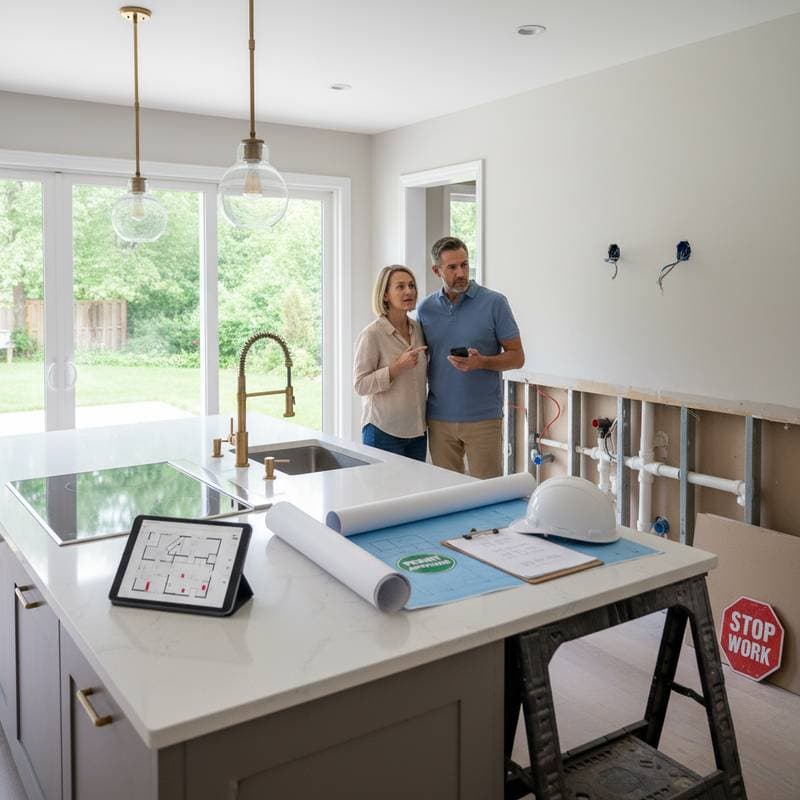
Balancing DIY and Professional Help in Kitchen Remodels
The prospect of updating a kitchen sparks enthusiasm. Visions emerge of fresh cabinets, updated lighting, and a cohesive design achieved through personal effort. However, mentions of permits introduce uncertainty, prompting a review of feasible projects without external assistance.
The core decision involves choosing between independent work and engaging a licensed professional for permits, inspections, and adherence to standards. Factors include project scope, familiarity with regulations, and tolerance for potential complications. Clear knowledge of these elements prevents disruptions and safeguards the overall outcome.
Understanding the Purpose of Kitchen Permits
Consider removing an old countertop and encountering aged electrical components. A decision to update wiring independently appears straightforward, yet such tasks in kitchens typically demand permits. This choice impacts insurance validity, inspection timelines, and property marketability.
Permits guarantee alignment with local safety standards. They extend beyond administrative processes to shield residents, adjacent properties, and prospective owners from hazards or inferior installations. In kitchens, where electrical, plumbing, and gas elements intersect, these approvals hold particular importance.
Local authorities classify remodels based on extent. Surface-level changes, such as painting walls, updating cabinet fronts, or installing new handles, seldom require permits. Structural alterations, including wall relocations, circuit additions, or plumbing rerouting, fall under mandatory oversight.
Identifying Projects That Require Permits
Distinctions between aesthetic and foundational modifications prove subtle. Approvals become essential for any adjustment influencing structural integrity or protective systems. Typical instances encompass:
- Relocating or installing electrical outlets and circuits.
- Adding plumbing fixtures or gas connections.
- Altering walls or reconfiguring kitchen arrangements.
- Incorporating windows, skylights, or exhaust systems.
- Upgrading appliances needing specialized electrical setups.
Jurisdictions vary in definitions, yet the fundamental criterion persists: projects affecting safety, stability, or regulatory adherence necessitate evaluation. Contact the local department early to clarify specific thresholds for the area.
Benefits of Hiring a Licensed Contractor
Engaging a qualified professional streamlines permit processes. These experts possess knowledge of regional codes, inspection protocols, and required submissions. They incorporate fees into estimates and manage interactions with officials.
Key advantages include:
- Guaranteed adherence via professional oversight and credentials.
- Efficient reviews informed by familiarity with examiner expectations.
- Risk coverage through policies addressing errors and guarantees.
- Schedule optimization leveraging connections with authorities.
Professionals provide reliability beyond skills. For property sales, documented work by contractors signals superior execution to appraisers and purchasers. The additional expense ranges from 15 to 25 percent higher, potentially adding $2,000 to $5,000 for comprehensive renovations, covering labor and administrative tasks.
Prioritizing Safety Through Code Compliance
Approvals emphasize protection over formality. Kitchens integrate power, moisture, warmth, and fuel, positioning them as highly scrutinized areas.
Standard mandates cover:
- GFCI safeguards on outlets proximate to sinks or appliances.
- Adequate airflow for exhausts over stoves and fuel-based units.
- Accessible controls for water and gas supplies.
- Flame-retardant barriers adjacent to heat sources.
Noncompliance risks extend to penalties and perils. Faulty circuits may ignite fires, while poor exhausts accumulate toxins. Providers may deny coverage for issues stemming from unauthorized alterations.
Seek advice from the building office or an accredited evaluator prior to starting. Free consultations often assist in assessing designs and permit obligations.
Steering Clear of Frequent Permit Oversights
Misunderstandings about approvals rank among top remodeling challenges. Individuals frequently presume minor adjustments evade scrutiny, facing repercussions during audits or claims.
Avoid these pitfalls:
- Overlooking approvals for basic wiring or pipe changes.
- Accepting spoken assurances over documented permissions.
- Neglecting to display approvals visibly at the site.
- Demolishing supportive walls absent structural assessments.
- Disregarding spatial limits for outdoor additions or openings.
For prior unapproved modifications from former residents, pursue after-the-fact authorization. This entails examinations and possible corrections to achieve legitimacy.
Safeguarding Your Remodel Investment
After successful reviews, organize records meticulously. File approvals, evaluation summaries, and professional invoices in one location. This transparency aids future transactions and verifies quality standards.
Ongoing upkeep preserves value. Test protective outlets periodically, examine plumbing connections for moisture, and service exhaust components quarterly. Diligent care maintains even approved installations over time.
Practical Strategies for Remodel Success
Develop a detailed blueprint initially. Diagram arrangements, highlight utility shifts, and verify approval necessities promptly.
Consult official guides from municipal sources, available digitally for homeowners.
Allocate 10 to 15 percent of funds for unforeseen regulatory adjustments.
Capture images at each phase to monitor advancements and verify standards.
Adhere to review appointments strictly, as delays can extend timelines significantly.