
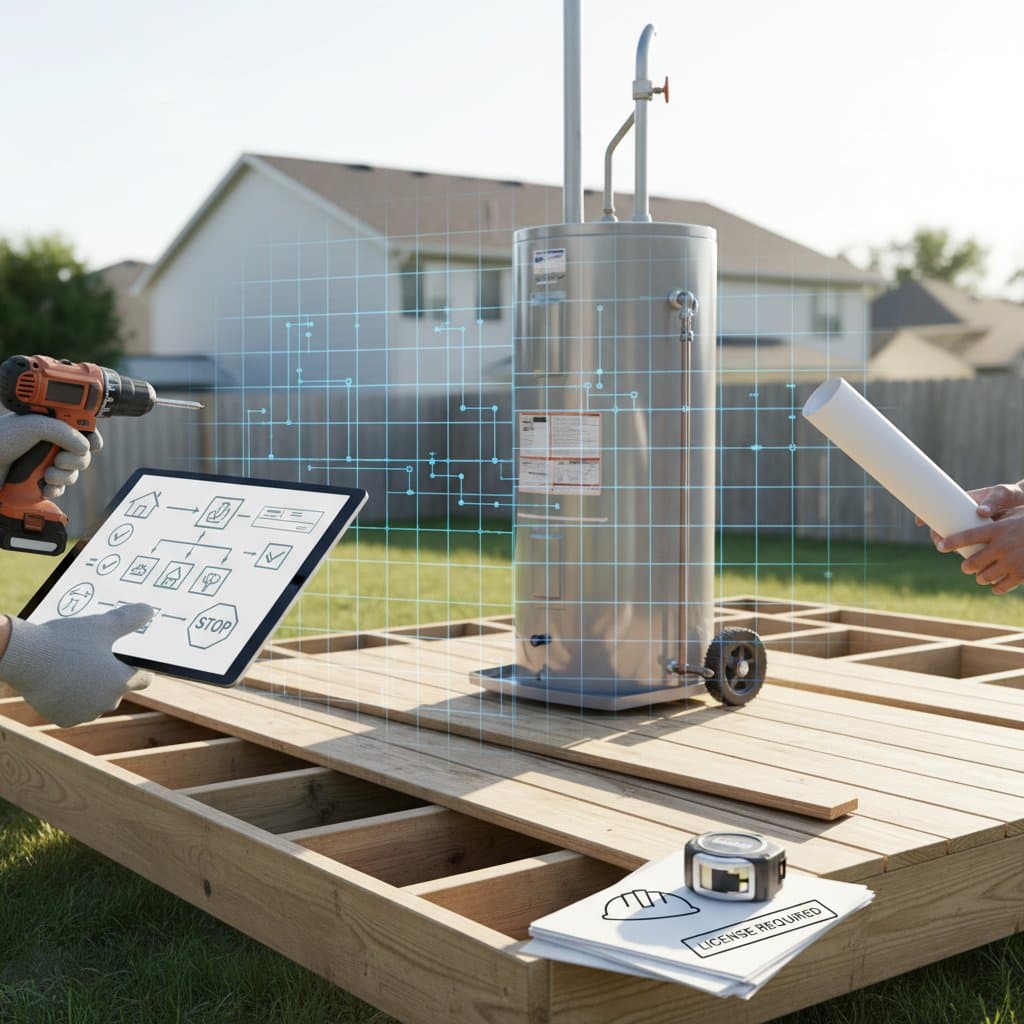
Understanding Permit Requirements for DIY Home Projects
Homeowners often undertake DIY projects to save time and money, yet many such efforts involve regulations that demand building permits. These permits verify that work adheres to safety standards and local codes, preventing hazards like structural failures or electrical fires. Ignoring permit requirements can result in significant fines, forced project halts, or diminished property value upon resale.
Permit rules differ across municipalities, making it essential to consult local authorities early. This article examines common DIY projects that unexpectedly require permits, details the rationale behind these regulations, and offers practical guidance for compliance. By preparing in advance, individuals can complete upgrades confidently and without interruption.
Key DIY Projects Requiring Building Permits
Certain projects, such as major additions, obviously necessitate permits, while others appear routine but still demand oversight. Local building codes classify these based on their impact on safety, structure, or utilities. The following sections highlight projects that frequently surprise DIY enthusiasts.
1. Deck Replacements and Extensions
Simple board replacements on a deck typically avoid permit needs, but alterations to the frame, posts, or footings require approval. Such modifications affect the structure's ability to support weight and resist environmental forces. Expansion of the deck's size further triggers these requirements to maintain overall home stability.
Typical permit cost: $75 to $250, based on deck dimensions.
Inspection focus: Proper joist spacing, railing heights of at least 36 inches, footing depths below frost line, and secure house attachments.
Decks elevated more than 30 inches above ground level face additional scrutiny for stair risers and handrail designs to prevent falls.
2. Water Heater Replacements
Installing or replacing a water heater involves plumbing and sometimes gas lines, which local codes regulate closely. Even swapping a unit in place requires a permit to confirm proper venting, seismic strapping in earthquake-prone areas, and pressure relief valve functionality. These measures safeguard against leaks, explosions, or scalding incidents.
Typical permit cost: $50 to $150.
Inspection focus: Gas line connections, drain pan installation, expansion tank presence, and compliance with energy efficiency standards.
Homeowners should verify if the new unit's capacity or location changes, as these factors often escalate permit involvement.
3. Window and Door Replacements
Exchanging a window for an identical size and type may bypass permits, but enlarging openings or switching styles demands review. These changes influence structural support, thermal performance, and emergency escape paths. Inspectors ensure that modifications do not compromise wall integrity or indoor comfort.
Typical permit cost: $50 to $200.
Inspection focus: Adequate header beams, weatherproof flashing, R-value insulation ratings, and safety glass in low-level or hazardous locations.
Projects affecting load-bearing walls necessitate engineering plans, emphasizing the value of pre-approval consultations.
4. Plumbing Modifications
Basic fixture replacements like faucets often proceed without permits, but rerouting pipes, adding bathrooms, or altering drainage systems requires them. Plumbing permits protect water quality, prevent backups, and ensure seismic resilience where applicable. Unauthorized work risks contamination or system failures.
Typical permit cost: $60 to $180.
Inspection focus: Pipe material standards, vent stack heights, trap placements, and backflow prevention devices.
Even minor additions, such as a new sink, may involve permits if they connect to existing lines in ways that alter flow dynamics.
5. Electrical Upgrades
Swapping a single light fixture generally requires no permit, but extending circuits, adding receptacles, or replacing service panels does. These upgrades must align with national electrical codes to minimize shock and fire dangers. Permits facilitate professional-level verification of installations.
Typical permit cost: $40 to $200.
Inspection focus: Appropriate wire sizes, effective grounding systems, breaker ratings, and GFCI outlets in wet areas.
In many areas, homeowners can obtain permits for their own work, though hiring licensed professionals simplifies the process and ensures code adherence.
6. Roofing Repairs and Replacements
Patching small roof sections might not need permits, but full replacements, adding skylights, or changing roof pitch always do. Roofing permits address wind resistance, fire ratings, and drainage to avoid water intrusion or collapse risks. They also promote material durability against local weather conditions.
Typical permit cost: $100 to $300.
Inspection focus: Underlayment layers, shingle overlaps, flashing around penetrations, and slope compliance for snow load areas.
Historic districts or steep roofs may impose extra requirements, such as specialized contractor certifications.
7. HVAC System Replacements
Updating a furnace or air conditioner unit typically demands a mechanical permit, as do duct modifications or new installations like ductless systems. These regulations focus on efficient operation, pollutant control, and safe refrigerant use. Permits help maintain optimal indoor environments while conserving energy.
Typical permit cost: $75 to $250.
Inspection focus: Correct duct dimensions, proper condensate lines, combustion air supplies, and SEER efficiency ratings.
Systems handling gas or high voltages receive heightened attention to avert carbon monoxide poisoning or efficiency losses.
Framework for Deciding on Professional Help Versus DIY
Assess projects using a structured approach centered on scope, safety, and structural impact before proceeding.
- Scope: Determine if the work alters utility connections, system capacities, or overall functionality, which signals permit necessity.
- Safety: Identify involvement of electricity, gas, plumbing, or heights, as these elements demand certified oversight to mitigate risks.
- Structure: Evaluate changes to foundations, framing, or load distribution, which invariably require engineering review and permits.
Contact the local building department for clarification; most provide online checklists or phone advice at no charge. This step clarifies ambiguities and prevents mid-project disruptions.
Resolving Permit Oversights and Avoiding Pitfalls
Discovering a permit requirement after starting work does not always mean starting over. Apply for an after-the-fact or as-built permit, which may require exposing elements for inspection. Although this incurs fees and delays, it resolves issues more affordably than demolition or litigation.
Frequent errors to sidestep:
- Mistaking surface-level changes for non-structural ones.
- Neglecting setback distances in zoning laws.
- Overlooking permits for accessory buildings like sheds over 120 square feet.
- Disregarding overarching state mandates on accessibility or environmental impact.
Document all materials and methods from the outset to streamline retroactive approvals.
Safeguarding Home Value Through Compliance
Permitted renovations enhance safety and appeal to prospective buyers by demonstrating adherence to current standards. Records of approvals serve as proof during home inspections or sales, boosting marketability. Non-compliant work, conversely, can lead to negotiations or repairs at the seller's expense.
Investing time in permits yields enduring benefits, from insurance discounts to peace of mind. Future projects benefit from established relationships with inspectors, facilitating smoother processes. Prioritize compliance to maximize the return on every home improvement effort.