
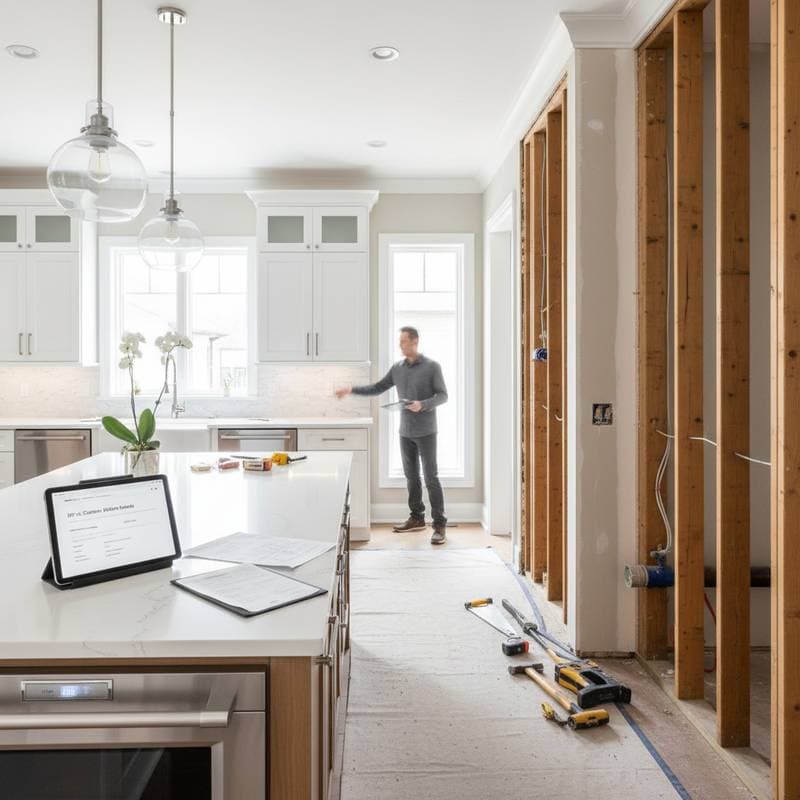
Permits for DIY Kitchen Projects: When to Call a Professional
The appeal of a kitchen remodel starts with a straightforward vision. Homeowners often picture updated cabinets or an expanded layout to invite more natural light. As plans take shape with sketches and material selections, the requirement for permits emerges as a key consideration. Early awareness of these regulations prevents expensive errors and ensures compliance.
Understanding Kitchen Permits
Permits enforce adherence to safety and building codes. These measures safeguard homeowners and subsequent residents from potential risks. In most jurisdictions, modifications to structural elements, electrical setups, or plumbing systems necessitate official review. Cosmetic enhancements, such as painting surfaces or updating cabinet pulls, generally proceed without permits. Difficulties arise when visual upgrades intersect with controlled infrastructure.
Cabinet replacement appears simple at first. However, relocating electrical outlets or adding under-cabinet illumination introduces permit obligations. Similarly, incorporating a sink or gas range into a new island affects structural integrity or airflow, both subject to evaluation.
DIY Projects That Avoid Permits
Several kitchen enhancements suit independent efforts without regulatory hurdles. Homeowners may proceed with:
- Painting walls, ceilings, and cabinets
- Installing countertops while preserving the existing configuration
- Laying new flooring materials
- Updating light fixtures wired to current connections
- Exchanging faucets, handles, and cabinet panels
These tasks qualify as surface-level refreshes. They enhance aesthetics without altering core utilities. Costs range from several hundred to thousands of dollars based on selections, with completion possible over one or two weekends.
Projects Requiring Permits
Structural, electrical, or plumbing alterations demand permits to verify code compliance. Common instances include:
- Relocating or installing electrical outlets and circuits
- Adding or modifying gas lines
- Removing or installing load-bearing walls
- Altering window or door placements
- Integrating a new sink, dishwasher, or exhaust hood
Fees for permits vary from fifty to several hundred dollars according to local guidelines. Inspections, though time-consuming, confirm adherence to standards that avert fires, water damage, or collapses. Electrical and plumbing regulations prioritize hazard prevention.
Situations for Professional Involvement
Engaging certified contractors or specialists proves valuable in complex scenarios. Projects touching gas connections, electrical panels, or framing require expert intervention. Qualified electricians and plumbers navigate local codes and handle permit applications.
Contractors provide liability coverage, shielding homeowners from mishap liabilities. Their expertise minimizes errors with lasting consequences. For instance, inadequate venting in a range hood risks hidden moisture accumulation and wall deterioration. Professionals guarantee operational safety and performance.
Budgeting and Timeline Factors
Independent labor reduces expenses, yet unauthorized modifications pose ongoing liabilities. Properties with unverified updates encounter valuation challenges or sale postponements during transactions. Remediation to satisfy inspections may involve reversal or rework. Allocating funds for permits and oversight from the outset averts such complications.
Permit processing spans days to weeks, influenced by regional workloads. This interval allows design adjustments and procurement planning. The outcome yields an efficient construction phase and a durable kitchen.
Advancing Your Renovation Expertise
Every endeavor reveals insights into home mechanics. Recognizing tasks reserved for specialists fosters assured independent work. This discernment preserves property value and upholds quality standards.
View permits as guides to excellence rather than obstacles. They secure enhancements that elevate safety and worth. Through meticulous preparation, fiscal clarity, and balanced self-reliance with expert aid, kitchen transformations achieve creativity alongside regulatory alignment.