
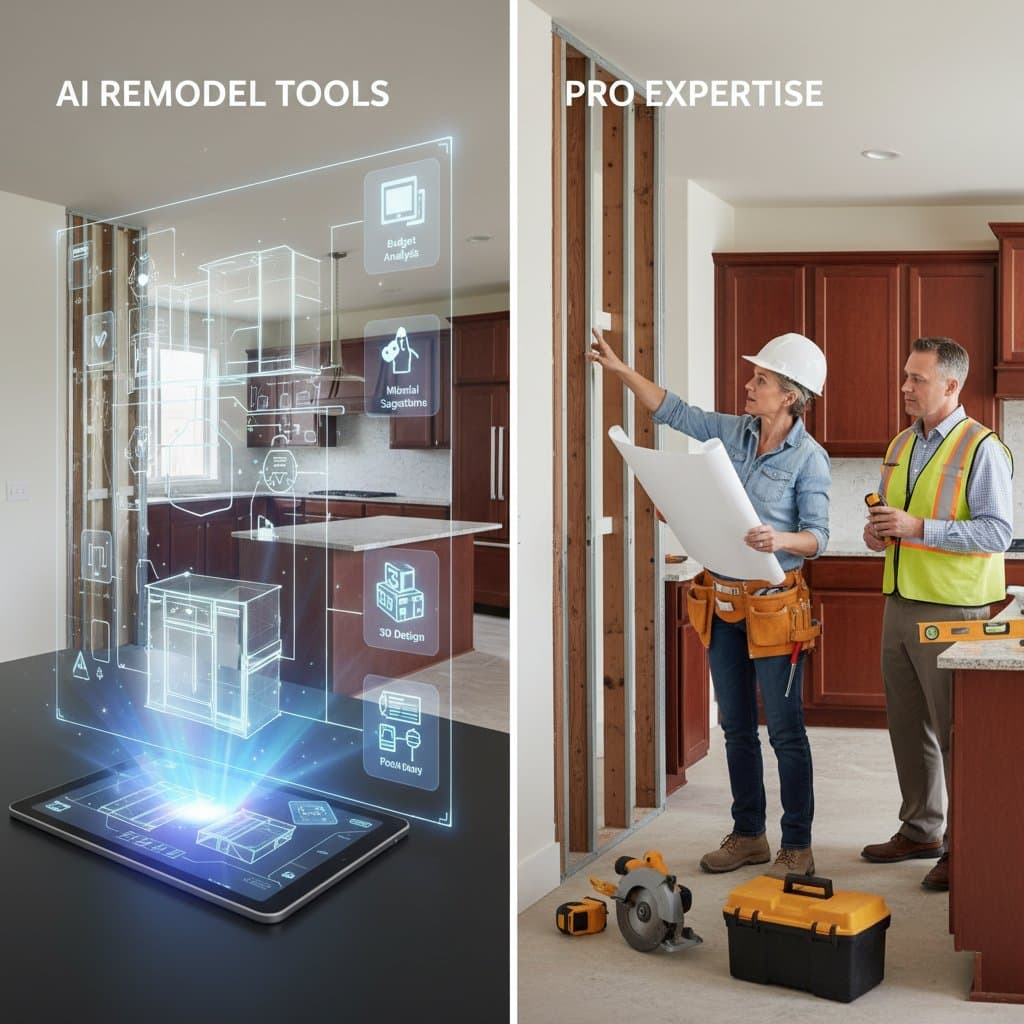
AI Remodeling Tools vs. Professional Expertise: Which Approach Delivers the Best Results?
In the evolving world of home improvement, artificial intelligence tools offer innovative ways to plan renovations. These digital solutions provide instant visualizations, cost estimates, and design suggestions, appealing to homeowners seeking efficiency. Yet, professional contractors bring years of hands-on experience that ensures projects meet building codes and withstand real-world demands.
This article explores the strengths and limitations of both options. Readers gain insights into selecting the right method for specific needs. By understanding these elements, individuals make informed decisions that enhance their living spaces effectively.
Understanding AI Remodeling Tools
AI remodeling tools leverage advanced algorithms to assist with home design and planning. Platforms such as virtual reality apps and software like HomeByMe or RoomSketcher allow users to upload floor plans and generate 3D models. These tools analyze spatial layouts and suggest modifications, from kitchen layouts to exterior facades.
Users benefit from rapid iterations without physical mockups. For instance, an AI system might recommend optimal cabinet placements based on traffic flow data. Such features democratize design, enabling beginners to experiment freely.
However, these tools rely on user-input data and generalized databases. Inaccurate measurements or overlooked site-specific factors can lead to flawed outputs. While convenient, AI lacks the nuanced judgment required for complex structural changes.
The Value of Professional Expertise
Professional remodelers possess deep knowledge of materials, techniques, and regulations. Licensed contractors assess properties in person, identifying issues like foundation weaknesses or plumbing incompatibilities that digital tools might miss. Their expertise ensures compliance with local codes, reducing liability risks.
Experienced pros coordinate multidisciplinary teams, including electricians and plumbers, for seamless execution. They draw from past projects to anticipate challenges, such as adapting to unexpected wiring during a bathroom overhaul. This holistic approach minimizes errors and rework.
Beyond technical skills, professionals offer personalized advice tailored to budgets and lifestyles. A contractor might suggest durable, low-maintenance finishes for high-traffic areas, enhancing long-term satisfaction. Their involvement guarantees projects align with practical realities.
Key Advantages of AI Tools
AI remodeling tools excel in accessibility and speed. Homeowners access them via smartphones or computers, generating ideas at any time. This flexibility suits initial brainstorming phases, where exploring multiple concepts proves valuable.
Cost savings represent another strength. Basic versions often operate for free or low fees, avoiding consultation expenses. Users simulate renovations to refine plans, potentially cutting material waste by 20 percent through precise quantity calculations.
These tools foster creativity by incorporating trend data from global sources. For example, an AI might propose eco-friendly options like energy-efficient windows based on current standards. Such guidance empowers DIY enthusiasts to achieve professional-looking results independently.
Limitations of AI in Remodeling
Despite innovations, AI tools fall short in handling variables like weather impacts or material quality variations. Software predictions assume ideal conditions, yet real renovations encounter surprises such as hidden mold or uneven subfloors. Without physical inspection, these risks persist.
Safety concerns arise with structural elements. AI cannot verify load-bearing capacities or ensure electrical systems meet safety protocols. Attempting complex tasks based solely on digital advice may result in hazardous outcomes, including collapses or fires.
Moreover, AI lacks accountability. If a design flaw leads to issues, users bear full responsibility. This contrasts with pros who provide warranties and insurance, offering peace of mind throughout the process.
When to Choose Professional Help
Opt for professionals when projects involve load-bearing walls, electrical rewiring, or plumbing relocations. These tasks demand certified skills to avoid code violations and ensure durability. For instance, expanding a home addition requires permits and engineering reviews that contractors manage expertly.
Large-scale renovations, such as full kitchen overhauls, benefit from pro oversight. They navigate supply chain delays and labor coordination efficiently. Homeowners save time and reduce stress by delegating these intricacies.
Budget considerations also favor hiring experts for high-value investments. Professionals prevent costly mistakes, like improper insulation leading to energy loss. Their guidance maximizes return on investment through quality craftsmanship.
Scenarios Ideal for AI Tools
AI shines in preliminary planning and minor updates. Refreshing a living room with new paint and furniture arrangements suits digital visualization perfectly. Users test color schemes and layouts virtually before purchasing items.
For budget-conscious DIY projects, like installing backsplashes or landscaping designs, AI provides step-by-step guides. It calculates material needs accurately, helping avoid overbuying. This approach builds confidence for simple enhancements.
Cosmetic changes, such as updating lighting fixtures, allow experimentation without risk. AI tools simulate lighting effects across times of day, aiding decisions on ambiance. Such applications deliver quick wins for motivated homeowners.
Blending AI and Professional Expertise
The most effective strategy combines both worlds for optimal outcomes. Start with AI to develop initial concepts and estimates, then consult a pro for validation. This hybrid method refines ideas while incorporating expert refinements.
Professionals increasingly integrate AI into workflows. Contractors use design software to present options to clients, streamlining communication. Homeowners contribute by preparingmood boards, fostering collaborative planning.
To implement this blend, follow these steps:
-
Use AI tools to sketch ideas and gather inspiration.
-
Share outputs with a licensed contractor for feasibility assessment.
-
Adjust plans based on professional feedback, then proceed with execution.
This integration saves time, reduces costs, and elevates project quality. It leverages technology's efficiency alongside human insight.
Achieving Smarter Renovations Through Informed Choices
Selecting between AI tools and professional expertise depends on project scope, budget, and complexity. For straightforward updates, AI empowers independent action with reliable support. Complex endeavors require pros to safeguard safety and success.
Blending approaches unlocks the full potential of modern home improvement. Homeowners gain tools for creativity and experts for precision, resulting in spaces that function beautifully. Embrace this balanced path to transform visions into enduring realities.