
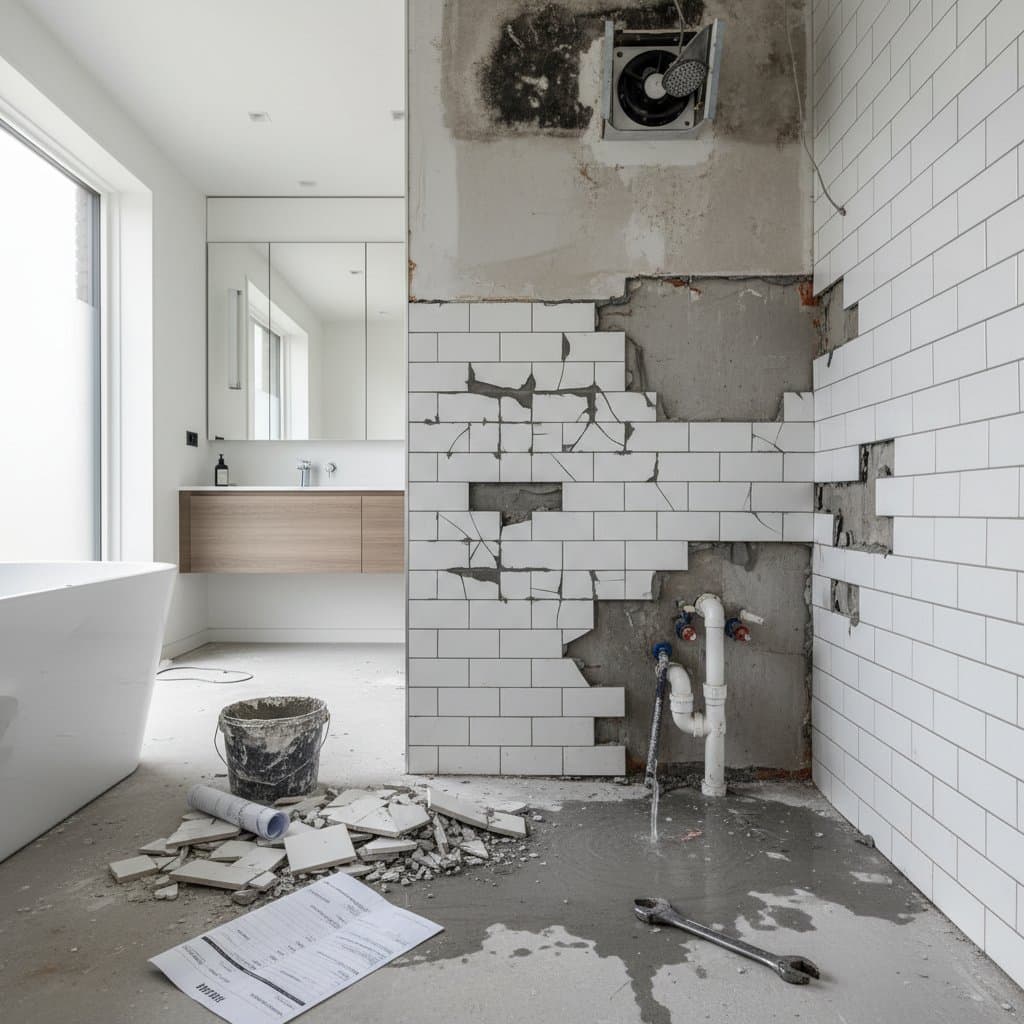
Costly Bathroom Remodel Mistakes DIYers Make
When you decide to remodel your bathroom on your own, the excitement of choosing tile patterns and fixtures often overshadows the more technical details that make or break the project. Many homeowners start with a clear vision and a modest budget, only to face expensive corrections halfway through. Almost every costly mistake can be avoided with careful planning, realistic budgeting, and a solid understanding of what should and should not be done without professional help.
This guide breaks down the most common bathroom remodel mistakes DIYers make, how to avoid them, and when it makes sense to bring in a licensed plumber or contractor.
Underestimating Plumbing Complexity
Replacing a faucet or showerhead might seem simple, but full plumbing relocations require more than confidence and a wrench. Incorrect pipe slope, poor sealant use, or mismatched fittings can lead to leaks hidden behind walls. These mistakes often go unnoticed until mold or structural damage appears.
Call a plumber when moving a toilet, tub, or shower drain. Professional help is also essential when adjusting water pressure, rerouting supply lines, or installing a new shower valve. Hiring a plumber for half a day costs between 200 and 400 dollars, which is far less than repairing water damage later.
Budget Blind Spots
DIY remodelers often underestimate hidden costs. Beyond tile and fixtures, you may need new subflooring, updated electrical outlets, or moisture resistant drywall. Forgetting to budget for these essentials leads to shortcuts that compromise quality.
Allocate your budget as follows. Dedicate 50 percent to base materials such as tile, fixtures, and paint. Assign 25 percent to hidden infrastructure including plumbing, electrical, and subfloor work. Reserve 15 percent for finishing touches like mirrors, lighting, and hardware. Hold back 10 percent as a contingency fund for unexpected issues.
A small bathroom remodel typically ranges from 3000 to 8000 dollars depending on materials and labor. Setting aside contingency funds ensures you can handle surprises without pausing mid project.
Overconfidence with Electrical Work
Lighting upgrades add style and brightness, but working near water with electricity carries serious risk. Incorrect wiring or missing GFCI outlets can create shock hazards. Call a licensed electrician when adding new lighting zones or heated flooring. Professional service is also required when relocating outlets or switches near water or when your home electrical panel has limited capacity.
Electrical updates typically cost between 300 and 600 dollars. These updates ensure your bathroom meets safety codes.
Skipping Permit Requirements
Permits feel like a hassle, yet skipping them can cause issues when selling or insuring your home. Plumbing and electrical changes nearly always require inspection. Local building departments can confirm what your project needs before work begins.
Achieving a Successful Remodel
Plan every inch with detailed sketches and double check measurements before demolition. Prioritize waterproofing by treating every surface as if it will get wet. Invest in quality materials because cheap fixtures and grout fail faster and cost more to replace. Know your limits and hire professionals for plumbing or electrical work to save both money and stress. Test everything for leaks and proper function before sealing walls or flooring.