
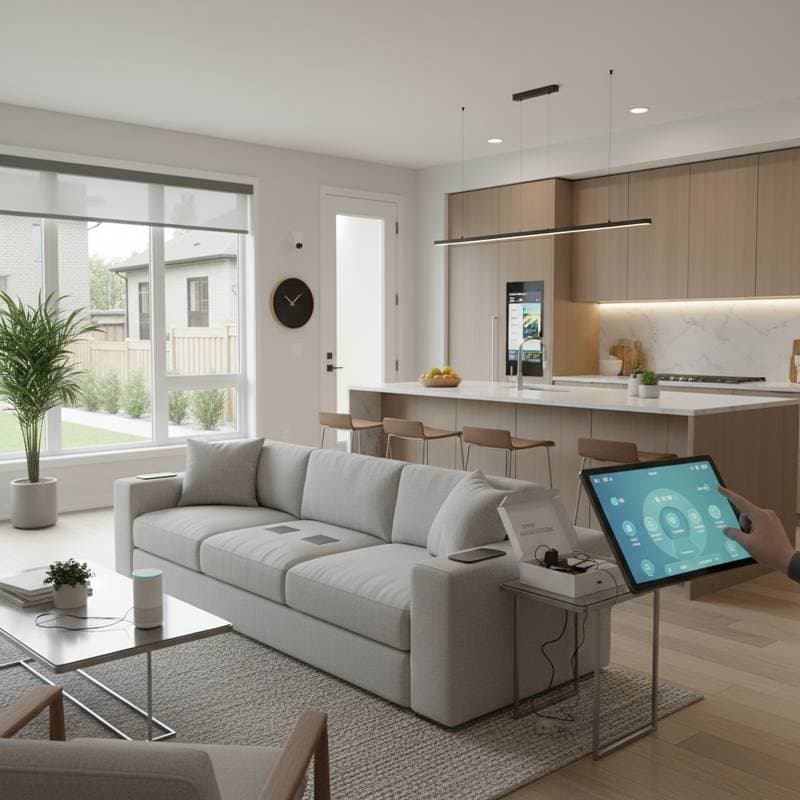
Smart Home Tech Costs in 2025: What You Will Really Pay
Smart home upgrades deliver convenience without requiring excessive expenditure. These technologies transition from luxury options to essential elements of contemporary residences. Individuals beginning with basic devices or pursuing comprehensive automation benefit from clear cost insights to plan effectively and sidestep unexpected outlays.
Essential Expenses for Smart Home Automation
Smart home configurations span a wide price spectrum based on desired connectivity levels. Homeowners typically allocate between $800 and $5,000 for core features such as lighting controls, thermostats, and security measures. Comprehensive systems incorporating a central hub may exceed $10,000, particularly during home renovations or construction projects.
Categorize expenses to gain clarity. The following outlines typical costs for popular components:
- Lighting and switches: $50 to $500 per room
- Smart thermostats: $150 to $400 each
- Security cameras and doorbells: $100 to $1,000 per zone
- Smart locks and sensors: $150 to $700
- Voice assistants and hubs: $100 to $300
- Professional installation: $600 to $2,000 based on project scope
Individuals manage smaller installations independently, yet complex wiring or regulatory compliance demands expert involvement to ensure safety.
Weighing Independent Installation Against Expert Services
Plug-and-play devices encourage self-managed setups. However, projects impacting electrical or heating systems necessitate professional oversight. Delegate single-device installations to personal efforts while engaging specialists for integrated networks to mitigate warranty issues, equipment damage, or safety hazards.
Electricians experienced in low-voltage installations handle hub connections and wiring with precision, facilitating regulatory approval. Professionals charge $75 to $150 per hour, an upfront cost that averts substantial future corrections.
Overlooked Expenses in Smart Home Management
Initial purchases represent only part of the commitment. Monthly subscriptions for cloud storage, updates, and advanced monitoring range from $10 to $40. These elements sustain security and performance, though they accumulate steadily.
Device compatibility influences budgeting. Cross-brand integrations often require adapters or additional hubs, increasing expenditures. Battery replacements for sensors, locks, and cameras add minor but recurring costs across extensive device arrays.
Effective Approaches to Minimize Expenditures
Focus initial investments on high-impact areas like energy conservation or enhanced protection. Thermostats, for example, lower energy bills by up to 10 percent yearly, recouping costs within 12 months. Utility providers frequently provide rebates to offset purchases.
Select devices supporting Matter standards or Wi-Fi 6 protocols for broad interoperability. Such choices avoid ecosystem lock-in and simplify long-term maintenance.
Coordinate installations during existing projects. Electricians installing new fixtures or panels can incorporate smart components or preparatory wiring, reducing overall labor fees.
Sustaining Smart Home Performance
Regular maintenance preserves the benefits of automation, including comfort and efficiency. Conduct quarterly reviews to apply firmware updates and verify device interactions. Maintain camera clarity, validate lock operations, and secure app configurations against update disruptions.
For property sales, compile documentation detailing the system, retained elements, operational instructions, and controlling applications. This transparency appeals to prospective buyers.
Practical Recommendations for Optimal Results
- Organize receipts and warranty information in a dedicated file for quick access.
- Opt for systems offering local control to maintain functionality during internet outages.
- Implement automations incrementally, testing in isolated areas before broader application.
- Confirm that hired professionals hold valid licenses and insurance coverage.
A strategic approach transforms residences into efficient, secure environments. Balanced planning enables adoption of advanced features while controlling costs and complexity.