
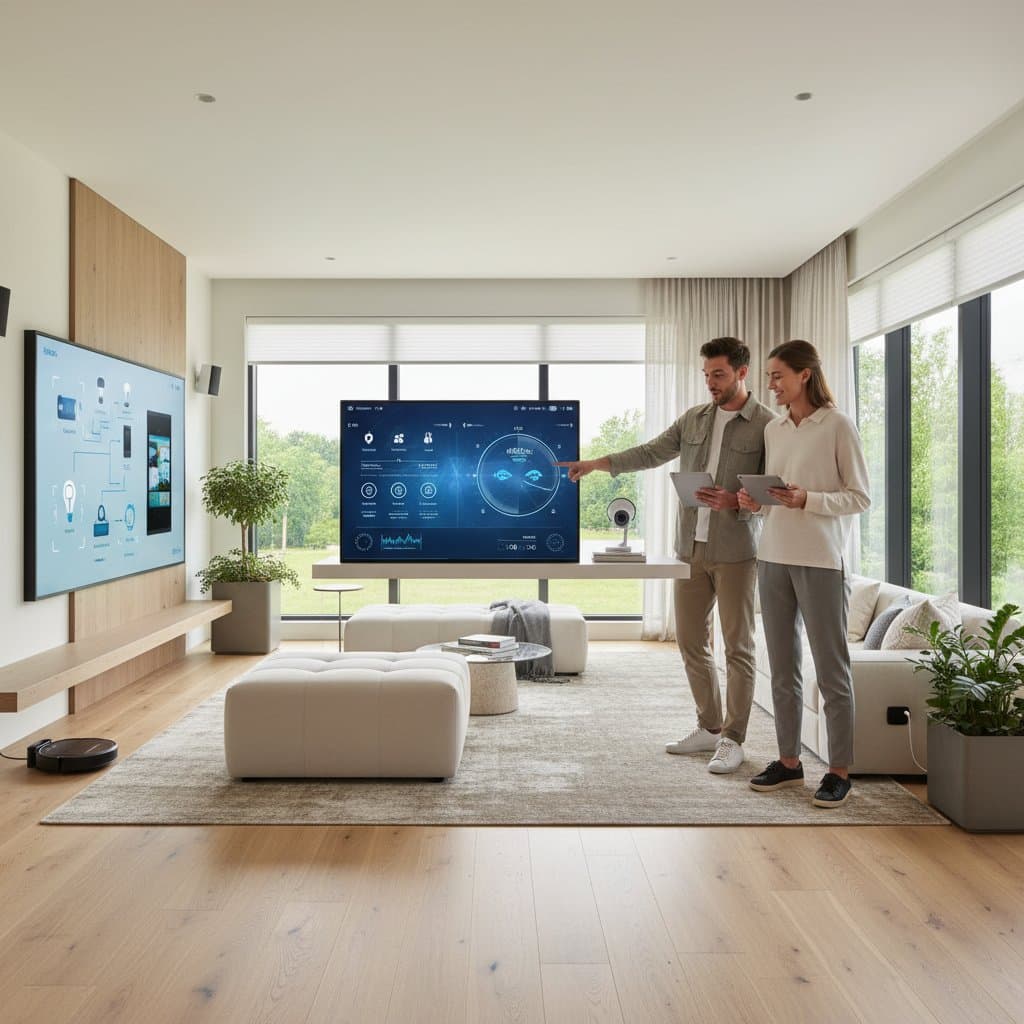
Smart Home Tech Costs Less Than You Think in 2026
Smart home technology in 2026 has evolved into an accessible tool for everyday living, offering tangible benefits like reduced energy use and improved security. Homeowners no longer need substantial funds to achieve these advantages, provided they grasp the components of spending. This guide examines essential costs, integration factors, and strategies to optimize value, enabling informed choices for a seamless connected home.
Defining a Smart Home
A smart home relies on interconnected devices that operate efficiently together, rather than a collection of isolated gadgets. Examples include thermostats that adjust based on occupancy patterns, automated lighting triggered by movement, and appliances responsive to voice commands. The key lies in seamless communication among components to ensure reliability and functionality.
Homeowners should first identify primary objectives, such as enhancing daily convenience, bolstering security measures, or cutting utility expenses. These goals influence budget allocation and the scope of installation required. For instance, security-focused setups prioritize cameras and locks, while efficiency-driven plans emphasize thermostats and lighting controls.
Essential Cost Breakdown
Understanding specific expenses helps in planning a smart home upgrade. Below is a detailed overview of common categories, based on 2026 market averages.
- Smart Lighting Solutions: Individual bulbs range from $15 to $60, varying by lumen output, brand reputation, and multicolor capabilities. A comprehensive room system, including compatible switches and a central hub, typically costs $300 or higher.
- Smart Thermostats: Models with adaptive learning and remote access fall between $100 and $300. Select units that integrate with existing HVAC systems for optimal performance.
- Security Components: Basic kits with cameras, sensors, and locks cost $200 to $1,000, depending on resolution, field of view, and number of entry points covered.
- Connected Appliances: Smart refrigerators, washing machines, and ovens add $500 to $1,000 to standard prices. Prioritize features like inventory tracking or remote cycle monitoring.
- Central Hubs and Voice Assistants: These core devices cost under $200 and serve as the backbone for multi-device control. Choose platforms with broad compatibility to avoid future limitations.
For a standard three-bedroom residence, a full smart home implementation spans $2,000 to $10,000. Factors like device interoperability, premium brands, and professional involvement determine the final figure.
Installation and Setup Considerations
Many smart devices support self-installation, particularly plug-and-play options like lighting and thermostats. Begin by downloading manufacturer apps and following step-by-step guides to pair devices with your home network. Test each component individually before linking them into a unified system.
Integration challenges arise when mixing brands, often necessitating a dedicated hub or expert assistance. Professional services add 10 to 20 percent to the total expense. If structural changes, such as electrical modifications or Wi-Fi enhancements, prove necessary, budget an additional $300 to $800 for licensed electricians or IT specialists to maintain safety and compliance with building codes.
Calculating Energy Savings and Returns
Smart technology promises utility bill reductions, though results depend on usage patterns. A programmable thermostat might lower heating and cooling expenses by 10 to 15 percent through automated adjustments. Similarly, motion-sensing lights could decrease electricity consumption by 5 to 10 percent by eliminating unnecessary operation.
Payback periods often extend two to five years, factoring in initial outlays. Beyond financial gains, these systems elevate property appeal; market data indicates smart features can accelerate sales and attract premium offers. To maximize resale potential, select timeless, standard-protocol devices that resist rapid obsolescence.
Identifying Potential Pitfalls
Overlooked issues can inflate costs or diminish effectiveness. Homeowners frequently encounter the following:
- Interoperability Challenges: Verify device compatibility via shared ecosystems like Zigbee or Z-Wave before purchase. Test connections in a small-scale trial to confirm smooth operation.
- Recurring Charges: Cloud-based services for storage or alerts add $10 to $50 monthly. Review subscription terms and explore free alternatives where available.
- Cybersecurity Risks: Connected setups invite threats; implement strong, unique passwords and enable automatic firmware updates. Consider network segmentation to isolate smart devices from personal data.
- Infrastructure Dependencies: Assess Wi-Fi strength and power stability upfront. Invest in mesh networks or backup batteries if outages are common in your area.
Addressing these proactively prevents disruptions and ensures a robust system.
Deciding on Professional Assistance
Opt for certified experts when projects demand electrical work, intricate wiring, or multi-system synchronization. Search for installers accredited by organizations like CEDIA, and request references from similar residential jobs. Confirm they carry liability insurance and provide detailed contracts outlining warranties, typically one to three years on labor and parts.
For straightforward additions, such as smart plugs or standalone sensors, handle installation personally to control costs. Adhere to safety protocols, like turning off power sources, and consult online tutorials for troubleshooting. After setup, run comprehensive tests to validate performance across scenarios.
Strategies for Optimal Implementation
Approach smart home development incrementally to manage expenses and refine preferences. Initiate with foundational elements like a thermostat for immediate energy benefits or door locks for security gains. As familiarity grows, incorporate complementary devices that enhance the ecosystem.
Maintain documentation of purchases, including serial numbers and support contacts, in a dedicated digital folder. Schedule quarterly reviews to update software and evaluate usage data for further optimizations.
Sustaining a Connected Lifestyle
With installation complete, dedicate time to customizing automations that align with daily routines. Program lights to activate upon entry or adjust temperatures based on occupancy sensors for effortless efficiency. Regularly monitor system logs to identify and resolve minor issues before they escalate.
This thoughtful integration transforms living spaces into intuitive environments that prioritize comfort and conservation. Homeowners who invest wisely enjoy sustained benefits, from streamlined operations to heightened peace of mind, fostering a home that adapts intelligently over time.