
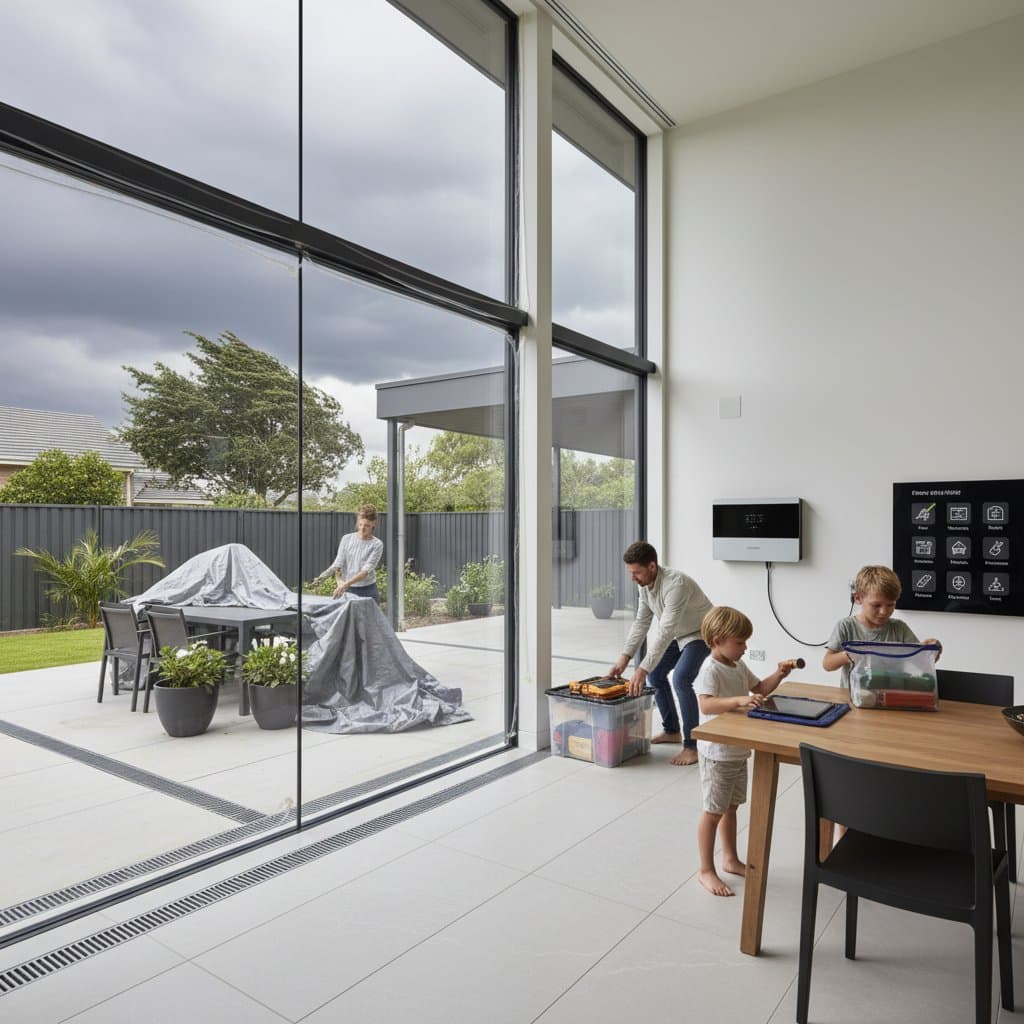
Essential Weekend Preparations to Protect Your Home from Storms
Storms arrive without warning, bringing high winds, heavy rain, and potential flooding that test the strength of any home. Residents in storm-prone areas understand the anxiety of watching dark clouds gather. The solution lies in proactive preparation. Dedicate a weekend to these tasks, using basic tools and materials, to fortify your property against damage. This approach requires no advanced skills, only commitment to safety and maintenance.
Homeowners who complete these steps often report fewer repairs and lower stress levels during severe weather events. Focus on critical areas such as the roof, exterior openings, outdoor features, drainage systems, and electrical setups. By addressing vulnerabilities systematically, you create a more secure living environment. The following sections outline specific actions to take.
Inspect and Reinforce the Roof and Gutters
Begin with the roof, as it serves as the primary defense against rain and wind. Climb a ladder to examine shingles for cracks, missing pieces, or curling edges. Replace damaged shingles immediately; a bundle of asphalt shingles costs around 30 dollars and covers multiple repairs. Secure loose ones with roofing nails and sealant to prevent water intrusion.
Gutters play a vital role in directing water away from the foundation. Clear debris from gutters and downspouts using a garden hose or leaf blower. Inspect for rust or loose sections, and tighten brackets with screws if needed. Install gutter guards if leaves accumulate quickly; these mesh screens, priced at 50 to 100 dollars per 40-foot section, reduce future clogs and overflow risks.
Examine flashing around chimneys, vents, and skylights. Apply fresh sealant to any gaps, ensuring a watertight seal. These reinforcements minimize leaks that could lead to interior damage and mold growth. Schedule professional inspections annually for steeply pitched roofs or those over 20 years old.
Seal Entry Points: Windows, Doors, and Vents
Water and wind enter through unsealed openings, causing drafts and structural issues. Inspect window frames for cracks and apply silicone caulk to fill them. Doors benefit from new weatherstripping; peel-and-stick foam strips, available for under 15 dollars, create an airtight barrier.
In high-wind zones, upgrade to storm-rated shutters or plywood covers. Measure windows in advance and cut plywood to fit, securing it with lag screws during alerts. Impact-resistant glass offers long-term protection, though installation costs 600 to 1,000 dollars per window. These investments often qualify for insurance discounts of 10 to 20 percent.
Vents and outlets require attention too. Cover attic and dryer vents with storm-rated screens to block debris while allowing airflow. Ensure all exterior outlets feature GFCI protection and watertight covers. These measures prevent electrical hazards and maintain indoor air quality during turbulent conditions.
Manage Drainage and Prevent Flooding
Poor drainage turns minor rains into major floods. Check the grading around your foundation; soil should slope away at a rate of one inch per foot for the first six feet. Add topsoil or redirect downspouts if water pools near the house. Extend downspout pipes at least five feet from the base using flexible corrugated tubing, which costs about 20 dollars per 25-foot length.
Clean and inspect French drains or sump pumps if your property has them. Test the sump pump by pouring water into the basin and confirming it activates. Replace the battery in backup sump pumps every six months. For low-lying areas, install splash blocks under downspouts to disperse water evenly.
Consider permeable pavers or rain gardens for persistent flooding. These features absorb excess water, reducing runoff. Local building codes may offer guidance on installation, and DIY kits start at 100 dollars. Effective drainage protects basements and crawl spaces from moisture damage.
Secure Outdoor Elements
Loose items become hazards in gusty winds. Store patio furniture, grills, and decorations in a garage or shed. Anchor heavier objects like trampolines with ground stakes or heavy-duty ties. Sandbags, at 5 dollars each, provide quick weighting for planters and hoses.
Assess trees and landscaping. Prune branches overhanging the roof or utility lines using loppers or a pruning saw, available for 25 to 50 dollars. Remove deadwood that could snap during storms. For large trees, hire an arborist to evaluate stability; costs range from 200 to 500 dollars depending on size.
Fences and decks demand reinforcement. Tighten loose boards with galvanized nails and check posts for rot. Apply wood preservative to treated lumber for added durability. These steps prevent debris from scattering and damaging neighboring properties.
Safeguard Electrical Systems and Power Supply
Power outages accompany most storms, risking spoiled food and device failures. Install whole-home surge protectors at the electrical panel; professional installation runs 300 to 500 dollars but guards against voltage spikes. Add surge strips to individual outlets for appliances.
Prepare for outages with a generator or battery backup. Portable generators, starting at 400 dollars, power essentials like refrigerators and lights. Store fuel safely and test monthly. Uninterruptible power supplies for computers and medical devices cost 50 to 150 dollars and provide short-term bridging.
Locate and label your main breaker box. Turn off unnecessary circuits during storms to avoid overloads. If underground lines serve your area, inspect for erosion around entry points. These precautions ensure safety and functionality when the grid fails.
Review Insurance Coverage and Build an Emergency Plan
Protection extends beyond physical fixes to financial and procedural readiness. Review your homeowners insurance policy for storm-related coverage, including wind, hail, and flood endorsements. Flood insurance through the National Flood Insurance Program covers up to 250,000 dollars for structures; apply well in advance as it has a 30-day waiting period.
Document your home's condition with photos and videos, storing copies off-site or in the cloud. Inventory valuables and update policy limits annually. Contact your agent to discuss deductibles and exclusions specific to your region.
Develop a family emergency plan. Designate a safe room away from windows and stock it with essentials: water, non-perishable food, flashlights, batteries, a first-aid kit, and medications for three days. Assign roles, such as securing the home or monitoring weather alerts. Practice drills quarterly to build confidence.
Practical Tips for Ongoing Maintenance
Maintain momentum with regular habits. Schedule bi-annual inspections of roofs and gutters in spring and fall. After storms, walk the property to identify hidden damage like cracked siding or shifted foundations.
Keep tools organized: a storm prep kit with caulk, screws, tarps, and a flashlight ensures quick access. Educate household members on shutoff locations for water, gas, and electricity. Use labels or diagrams for clarity.
Monitor local weather services for updates. Apps provide real-time alerts, allowing timely actions. These routines transform preparation from a weekend task into a seamless part of homeownership.
Achieve Lasting Security Through Preparation
Investing time in storm readiness strengthens your home and family resilience. Each reinforced element contributes to a safer space, reducing repair needs and emotional strain. Homeowners who prioritize these steps enjoy greater stability amid nature's challenges. Embrace this process as an empowering routine that enhances daily living.