
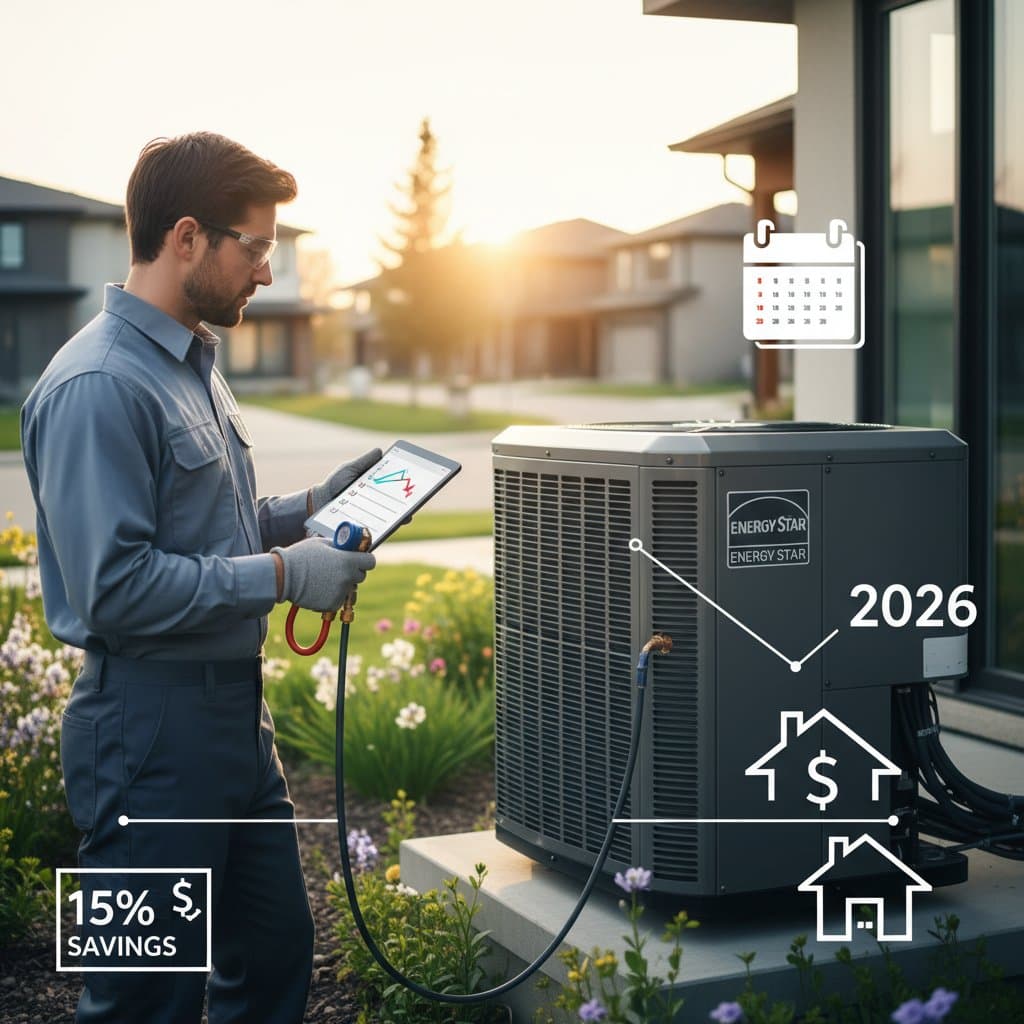
Spring HVAC Tune-Up: Slash Costs Before They Soar
A spring HVAC tune-up addresses efficiency concerns before rising temperatures drive up energy costs. The system experiences reduced activity during cooler months, allowing dust accumulation, belt wear, and component slowdowns to compromise performance. Professional inspection at this stage averts summer disruptions that exceed routine maintenance expenses.
Why Spring Timing Maximizes Benefits
Spring aligns with mild conditions and reduced demand on HVAC services. Technicians maintain greater availability, and supply chains face fewer delays. The system operates under low stress, which facilitates detection of minor faults before they escalate into significant failures. Delaying action until peak heat arrives typically results in elevated fees for urgent repairs.
Standard tune-up fees range from $90 to $200, influenced by system capacity and local labor costs. This expenditure yields up to 15 percent reductions in seasonal energy expenses through enhanced airflow, decreased compressor workload, and precise thermostat adjustments. Savings frequently recoup the initial outlay during one cooling period.
Efficiency Gains and Extended System Life
View the HVAC system as comparable to a vehicle that requires oil changes and tire inspections for reliability. Clogged filters, soiled coils, and loosened electrical links gradually elevate energy demands and accelerate wear. Neglect shortens operational duration.
Properly serviced units endure three to five additional years compared to those with sporadic care. This extension postpones replacements, which cost $5,000 to $12,000 for typical home installations. Routine maintenance upholds warranty terms, as most producers mandate proof of service for claim eligibility.
Essential Elements of Professional Service
Reputable technicians adhere to a thorough protocol for examination and cleaning. Request an itemized overview prior to commencement. Comprehensive tune-ups encompass:
- Filter replacement or cleaning. Obstructed filters impede airflow, compelling the system to operate extended periods under greater effort.
- Refrigerant level verification. Insufficient levels impair cooling capacity, whereas excess strains the compressor.
- Thermostat calibration. This step guarantees precise temperature detection and uniform indoor conditions.
- Electrical component review. Frayed wiring or oxidized contacts pose risks of malfunctions and hazards.
- Condenser and evaporator coil maintenance. Accumulated residues hinder thermal exchange, lowering overall output.
- Fan motor lubrication and belt evaluation. Adequate lubrication curbs friction, and proactive belt swaps prevent operational halts.
- Condensate drain clearing. This action blocks moisture accumulation and microbial proliferation in lines.
- Performance evaluation. Testing confirms proper cycling and consistent ventilation.
Omission of procedures or vague explanations warrant caution. Insist on a documented report detailing findings and suggested fixes.
Accessible DIY Maintenance Steps
Certain tasks suit homeowner execution with basic tools, enhancing professional efforts. Begin by swapping the air filter at intervals of one to three months, adjusted for household activity and air purity. Then, remove obstructions surrounding the outdoor condenser, such as foliage or soil, to preserve ventilation pathways.
Examine interior supply vents for blockages from furnishings or drapery, which disrupt air distribution and burden the unit. Verify thermostat configurations for efficiency. Upgrading to programmable or intelligent models enables automated adjustments during absences, conserving power while upholding livability.
Indicators of Underlying Problems
Observe anomalies during the spring assessment. Warm output from vents, atypical sounds, or damp odors necessitate prompt expert intervention. Such indicators frequently stem from refrigerant escapes, wiring issues, or duct contamination. Overlooking them invites substantial fixes or indoor health risks from subpar ventilation.
Monitor sudden utility bill increases as well. Sharp rises signal excessive system labor, commonly from airflow limitations or degraded parts. Early identification curbs escalation of expenses.
Scenarios Requiring Expert Assistance
Systems covered by warranty demand certified HVAC professionals to preserve protection. Handling electricity, refrigerants, or intricate cleanings calls for credentials and equipment. Self-attempts risk nullifying guarantees or introducing dangers.
Advanced setups, including zoned mini-splits or efficient heat pumps, benefit from specialist tuning for peak function. Verify contractor credentials, including licensing and coverage, and ensure EPA certification for refrigerant tasks.
Habits to Sustain Performance Year-Round
Post-tune-up, implement straightforward routines to support longevity. Inspect filters monthly, maintain clear access to exterior units, and attend to emerging operational sounds. Annual spring servicing preempts deterioration.
For home sales, maintenance logs demonstrate diligence. Prospective owners value evidence of upkeep, and evaluations commend preserved HVAC as indicative of property excellence.
Strategies to Amplify Savings
Enroll in a service agreement from a reliable provider to access reduced fees, expedited appointments, and seasonal alerts. These arrangements optimize long-term value.
Investing in a spring HVAC tune-up secures reliable comfort, mitigates risks, and delivers enduring financial advantages.