
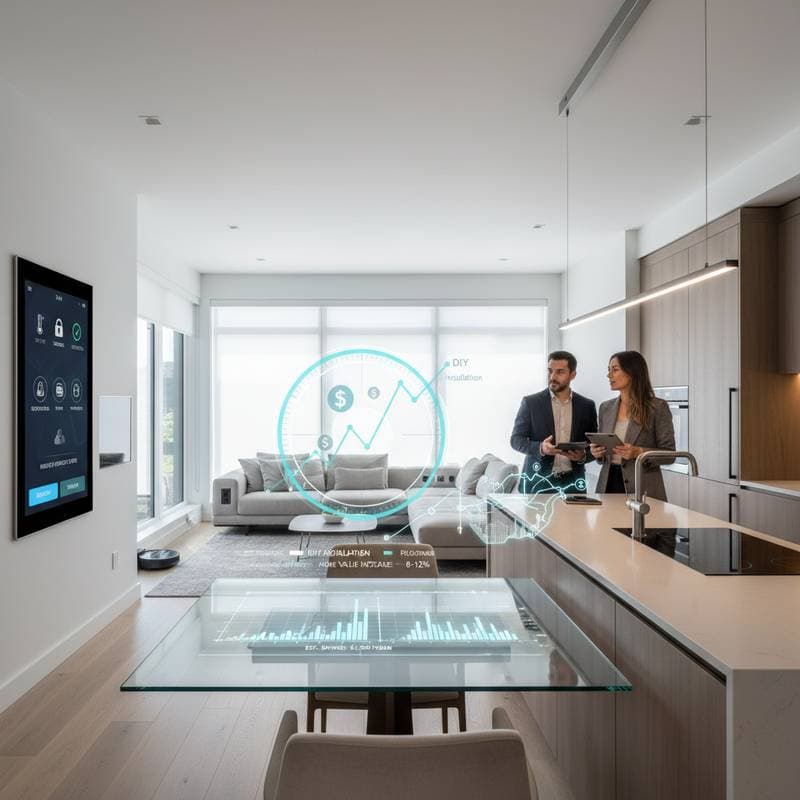
Exploring Smart Home Integration Costs and Benefits
Imagine entering a residence where lights dim to suit the evening ambiance, temperatures adjust for optimal comfort, and security systems monitor every corner without effort. Smart home integration makes such scenarios possible. However, before installing sensors, thermostats, or linked appliances, individuals must grasp the actual expenses and advantages involved. These systems enhance daily life through greater convenience and efficiency, yet they demand thoughtful financial planning. This guide examines expected costs, selection criteria for automation levels, and opportunities for meaningful savings.
Long-Term Financial Benefits of Smart Homes
Initial investments in smart home technology may appear substantial, yet these systems frequently recoup expenses via ongoing efficiencies. The most significant gains arise from reduced energy consumption and proactive maintenance measures.
-
**Energy **
A programmable smart thermostat lowers heating and cooling expenses by 10 to 20 percent through precise temperature control based on occupancy patterns. Similarly, automated lighting solutions minimize electricity usage by dimming bulbs in response to natural light levels and extinguishing them in unoccupied areas. -
Water Conservation:
Intelligent irrigation controllers reduce outdoor water consumption by up to 50 percent. These devices analyze local weather forecasts, soil moisture levels, and plant requirements to deliver water only when necessary, preventing waste during rainy periods. -
Preventive Maintenance:
Devices such as leak sensors, power usage trackers, and connected smoke detectors avert costly repairs. For instance, a modestly priced $50 leak detector can alert homeowners to potential floods, potentially saving thousands in water damage remediation. -
Insurance Incentives:
Certain insurance providers grant premium reductions for properties featuring active security monitoring or environmental sensors. Such discounts generally fall between 5 and 15 percent, depending on the system's comprehensiveness and integration level.
Integrating these elements, a mid-range setup priced at $5,000 might yield annual savings of $500 to $800. These figures account for diminished utility bills and favorable insurance adjustments, accelerating the payback period to three to five years.
Essential Safety and Security Measures
Connectivity forms the backbone of smart homes, offering enhanced protection while also presenting risks. Homeowners must implement robust safeguards to maintain system integrity.
- Network Fortification: Establish complex passwords and activate two-factor authentication across all linked devices to deter unauthorized access.
- Routine Updates: Manufacturers release firmware patches to address vulnerabilities; schedule monthly checks to ensure every component remains protected.
- Wi-Fi Isolation: Designate a separate network segment for Internet of Things devices, shielding personal devices like laptops from potential breaches.
- Access Restrictions: Grant permissions sparingly, allowing each device to process only essential data. Conduct periodic audits of privacy configurations to adapt to evolving needs.
When engaging professional services, request inclusion of cybersecurity protocols during setup. For independent installations, incorporate these steps into the initial configuration process to build a resilient foundation.
Navigating Common Integration Hurdles
Technical obstacles can arise even in meticulously designed projects. Recognizing prevalent challenges equips homeowners with tools for swift resolution.
-
Signal Interruptions: Devices may disconnect due to inadequate Wi-Fi coverage. Install signal boosters or transition to a mesh network system, which distributes coverage evenly across larger spaces for consistent performance.
-
Automation Inconsistencies: Lights or climate controls might fail to activate reliably if schedules overlap or rules conflict. Review and streamline routines in the control app, prioritizing primary triggers to eliminate redundancies.
-
Assistant Overlaps: Managing devices from multiple platforms, such as Alexa and Google Home, can lead to command confusion. Select one ecosystem as the central hub and deactivate redundant features in secondary systems to foster seamless operation.
-
Outage Resilience: Power failures often cause system resets, disrupting routines. Equip key components like central hubs and routers with uninterruptible power supplies to sustain essential alerts and controls during blackouts.
-
Programming Complexity: Layers of intricate automations increase error risks. Opt for straightforward sequences that address core needs, facilitating easier modifications as lifestyles evolve.
Addressing these issues proactively minimizes downtime and enhances user satisfaction throughout the system's lifecycle.
Strategic Timing for Installations and Upgrades
Aligning projects with seasonal patterns optimizes expenses and execution. Consider environmental factors and promotional opportunities when scheduling.
- Spring Initiatives: Focus on exterior enhancements, including smart irrigation setups and perimeter cameras, as milder weather supports outdoor wiring and testing.
- Summer Priorities: Implement HVAC optimizations and shading controls to combat heat, directly lowering air conditioning demands during peak usage months.
- Fall Adjustments: Upgrade interior lighting as days grow shorter, integrating motion sensors that adapt to reduced natural illumination for energy savings.
- Winter Focus: Install indoor-centric solutions like advanced thermostats and humidity monitors to maintain comfort amid colder temperatures and potential pipe freeze risks.
Retailers often discount smart devices during holiday seasons, such as Black Friday or back-to-school promotions. Planning around these events can reduce costs by 20 to 30 percent on compatible hardware.
Expanding Your Smart Home Infrastructure
Smart homes thrive on modularity, allowing gradual enhancements without overhauling existing setups. Begin with foundational elements like a central hub and essential sensors, then layer in advanced features as needs arise.
Start by assessing compatibility: Ensure new devices adhere to standards such as Zigbee or Z-Wave for interoperability across brands. For example, after installing a basic thermostat, add compatible window shades to automate sunlight blocking, further refining energy use.
Budget for scalability by allocating 20 percent of initial funds toward future-proofing, such as wiring for additional outlets or upgrading router capacity. Professional consultations during early phases can map out expansion paths, preventing costly retrofits later.
Track performance metrics through built-in apps to identify high-impact additions. If energy reports reveal excessive lighting costs, prioritize smart bulbs over less efficient alternatives, ensuring each upgrade aligns with observed usage patterns.
Thriving in Your Connected Living Space
Once integrated, a smart home becomes an intuitive extension of daily routines, demanding minimal intervention for maximum reward. Regular maintenance sustains reliability: Dedicate time quarterly to test automations, clean sensors, and review data logs for optimization opportunities.
Homeowners often discover unexpected joys, such as voice-activated playlists syncing with mood lighting or remote checks on elderly relatives via integrated cameras. These features foster not only efficiency but also peace of mind.
To maximize returns, integrate lifestyle habits into the system. For instance, program arrival routines that preheat the oven alongside lighting adjustments, streamlining evening preparations. Over time, these refinements compound savings and convenience, transforming the home into a responsive sanctuary tailored to individual preferences.