
Reduce 2026 Energy Bills Through Eco Insulation Upgrades
Homeowners seek effective ways to manage rising energy expenses. Better insulation provides a straightforward solution. Across the United States, individuals recognize that eco insulation enhancements lower monthly bills while fostering comfortable and environmentally responsible homes. Effective insulation maintains stable indoor temperatures, dampens external noise, and diminishes overall carbon emissions. For those undertaking renovations or bracing for extreme weather variations, such upgrades represent a prudent financial decision ahead of potential energy price increases.
The Financial and Environmental Returns of Eco Insulation
Many residents overlook the extent of energy dissipation in homes with inadequate insulation. Research indicates that as much as 40 percent of household energy escapes via walls, attics, and floors. Quality insulation retains warmth in cold months, repels excess heat in warm periods, and alleviates pressure on heating, ventilation, and air conditioning systems. These benefits yield annual reductions of 15 to 25 percent in heating and cooling expenditures.
Sustainable insulation materials elevate these advantages. Options including recycled cellulose, sheep wool, and cork match the efficacy of conventional fiberglass yet impose a lighter burden on the planet. These resources renew naturally, avoid toxic chemicals, and excel in moisture control. Although initial expenses may exceed those of standard products, energy conservation and available incentives offset the difference rapidly, often within two to four years.
Consider the lifecycle impact. Cellulose, derived from recycled paper, offers high density for superior soundproofing alongside thermal protection. Sheep wool absorbs excess humidity to prevent mold growth, ideal for variable climates. Cork, harvested from renewable bark, resists pests without chemical treatments. Each choice aligns performance with ecological priorities, ensuring long-term value.
Selecting Optimal Insulation for Specific Home Areas
Homes vary in construction and vulnerability to energy loss. Pinpointing problem zones guides material selection and application methods.
Attic and Roof Areas:
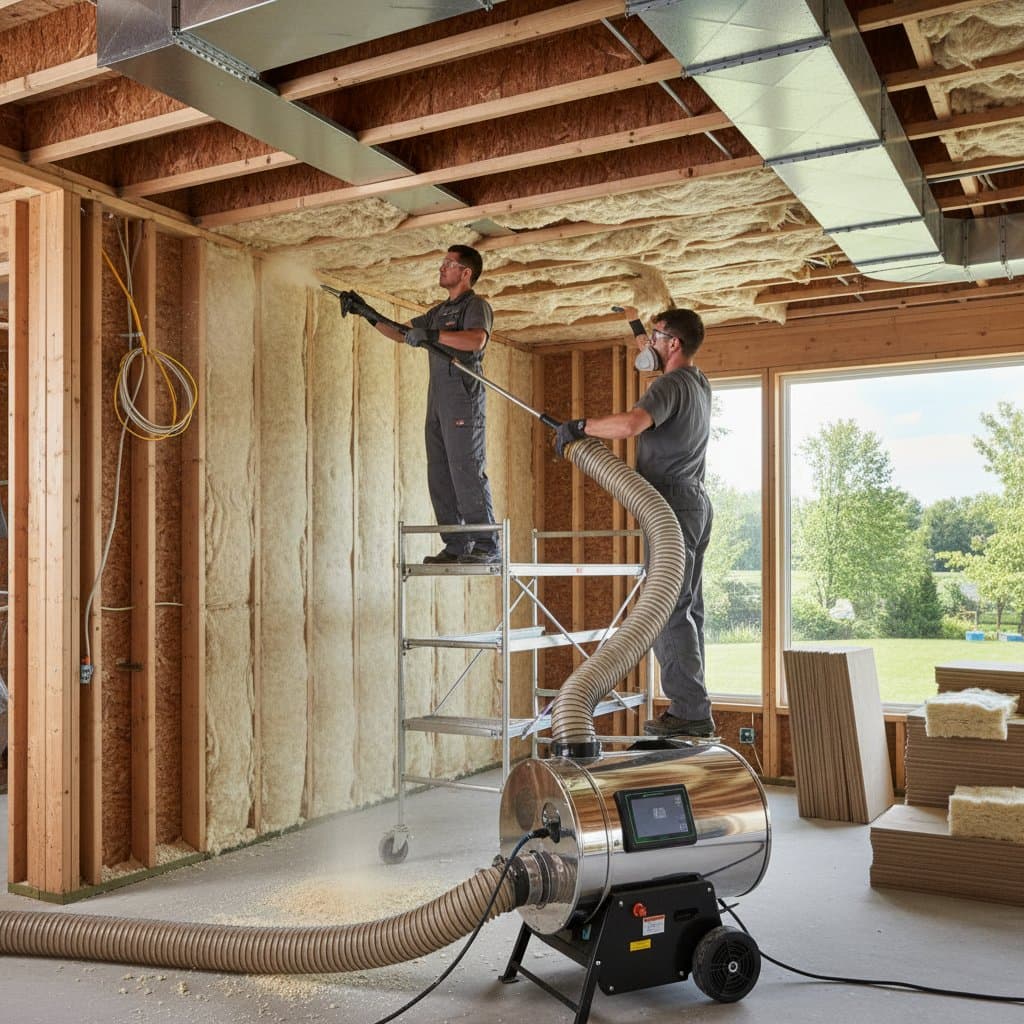
Warm air ascends, making attics primary sites for heat escape. Blown-in cellulose or loose-fill mineral wool fills irregular spaces effectively. Installation costs range from $1.50 to $3.50 per square foot, influenced by material density and local labor charges. These methods improve energy retention without major structural changes.
Wall Cavities:
Retrofitting existing structures demands non-invasive techniques. Injection foam seals gaps precisely, while dense-pack cellulose compresses into voids. Expect expenses of $2 to $4 per square foot, with noticeable enhancements in temperature uniformity and draft reduction immediately following completion.
Floors and Crawl Spaces:
Drafts from below elevate cooling needs and invite moisture problems. Rigid foam panels or spray foam applications beneath flooring combat these issues. Pricing falls between $1.25 and $3 per square foot, and such measures safeguard against wood rot or insulation degradation over time.
Evaluate R-values to gauge effectiveness, as higher ratings signify greater resistance to heat flow. Climate influences requirements; northern regions demand thicker layers than southern ones. Review local building standards or engage an energy auditor to determine precise needs and avoid over- or under-insulation.
Deciding Between DIY Efforts and Professional Services
Individuals with basic handyman skills can tackle certain projects independently. Installing batt insulation in accessible attics or applying sealant to minor gaps suits weekend endeavors. Protective equipment, such as gloves, safety glasses, and respirators, remains essential when working with fibrous or particulate materials to prevent irritation.
Advanced tasks require expert intervention. Wall injections and spray foam deployments involve precise pressure controls and adherence to safety protocols. Professionals possess the tools and knowledge to comply with codes, preventing issues like moisture entrapment or mold development. Poor execution risks warranty invalidation and diminished efficiency. An initial consultation verifies compatibility with existing ventilation and barriers.
Budgeting, Funding Options, and Available Rebates
Comprehensive eco insulation projects for average homes span $2,000 to $8,000, varying by square footage and selected materials. Relief comes through local government rebates, utility company incentives, and low-interest loans targeted at efficiency measures. Pair these with bill reductions to recoup costs in three to six years.
Incorporate air sealing into plans, as insulation performs suboptimally against unchecked leaks. Address penetrations around windows, doors, ducts, and outlets with caulk or weatherstripping prior to insulation. This step maximizes return and extends system longevity.
Indicators That Insulation Requires Attention
Uneven room temperatures signal insulation deficiencies. Persistent drafts at edges or unexpectedly high utility statements warrant investigation. Roof ice dams, wall condensation, or frequent HVAC operation further indicate problems. Thermal imaging scans, available from auditors, pinpoint escape paths accurately and inform targeted fixes.
Essential Strategies for Effective Implementation
- Conduct thorough inspections prior to installation to detect water damage or infestations that could worsen if enclosed.
- Select materials suited to regional conditions; breathable types like cellulose suit humid areas, while closed-cell foams thrive in arid environments.
- Prioritize sealing air pathways, as even premium insulation loses impact without this foundation.
- Maintain detailed records of materials, costs, and workmanship for potential tax credits, home sales, or claims.
Combine these with zoning considerations. Divide homes into thermal zones to apply varying insulation levels, optimizing comfort without excess spending.
Sustaining Insulation Performance Over Time
Sustainable insulation demands little routine care. Schedule biennial checks for compression in loose fills or separations near penetrations. Rising energy use may prompt thickness evaluations or resealing. Professionals can adjust for settling or environmental shifts, preserving initial benefits.
Such upgrades transcend mere repairs. They secure enduring comfort, environmental stewardship, and economic advantages. Future bills reflect not only savings but also the reliability of a well-insulated living environment.