
Unlock the True Costs of 2026 Smart Home Integration
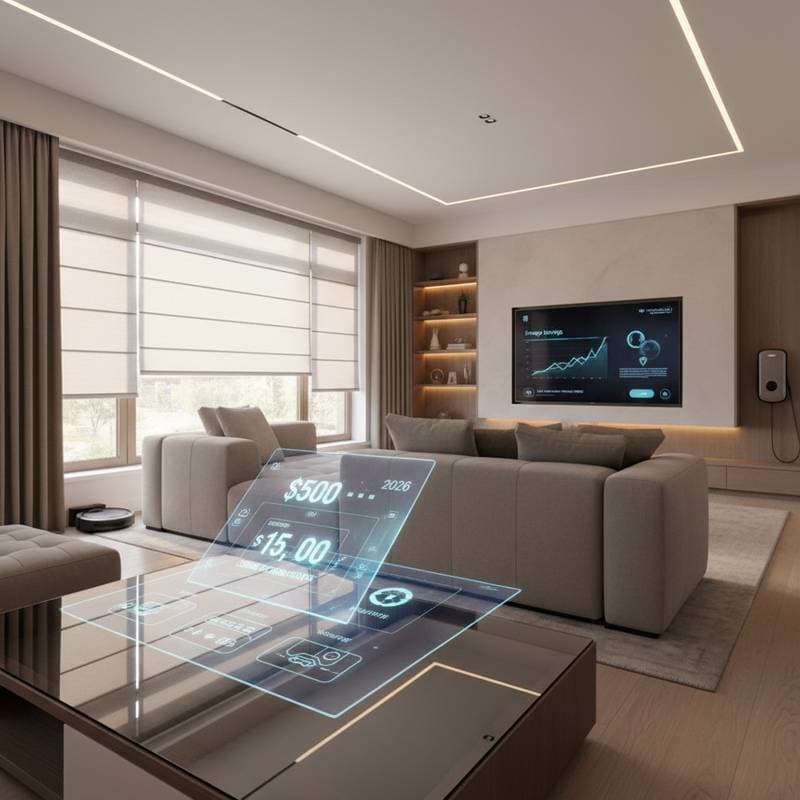
Smart home integration in 2026 delivers more than convenience. It enhances comfort, security, and energy efficiency through connected systems. Costs span from simple DIY installations at $500 to comprehensive professional setups exceeding $15,000. This guide details hardware, installation, subscriptions, potential pitfalls, and return on investment to help homeowners plan effectively.
Before purchasing devices, evaluate expenses across categories. Understanding these elements prevents budget overruns and ensures seamless operation. Homeowners can then select options that align with their needs and long-term goals.
Breaking Down the Main Expense Categories
Hardware and Devices
Smart home hardware prices fluctuate based on brand, features, and scale. Select devices that match your home size and usage patterns for optimal value.
Lighting and Power: Basic smart bulbs cost $10 to $20 each, suitable for small rooms. Advanced systems with motion sensors or color-changing options range from $50 to $250 per unit. Install smart plugs at $15 to $40 to control outlets remotely.
Climate Control: Entry-level thermostats like Nest or Ecobee start at $150 and learn user preferences over time. Multi-zone systems for larger homes add $1,000 to $2,500, including dampers and sensors for precise temperature management in different areas.
Security and Surveillance: Individual cameras cost $200 to $600, with features like night vision and AI motion detection. Complete systems with doorbells, locks, and alarms total $2,500 to $8,000 for whole-home coverage. Opt for wired models in high-traffic zones for reliability.
Appliances and Entertainment: Smart refrigerators or washers increase costs by 15 to 30 percent over traditional units, often $500 to $2,000 extra. Voice-activated speakers and hubs range from $100 for basics to $1,500 for premium setups with built-in displays and multi-room audio.
Networking Infrastructure: A robust mesh Wi-Fi network, essential for device connectivity, costs $300 to $1,000. Choose systems with coverage up to 6,000 square feet to support 50 or more devices without signal drops.
Installation and Integration
Installation costs hinge on project scope and home layout. DIY approaches suit tech-savvy users, while professionals ensure compatibility and code adherence.
Basic setups for 5 to 10 devices run $200 to $500, covering wiring and app configuration. Full integrations involving custom panels or in-wall speakers escalate to $2,000 to $10,000. Professionals test systems post-installation to verify responsiveness and troubleshoot issues.
Hire certified installers familiar with brands like Control4 or Savant for complex jobs. They integrate voice controls and automate routines, such as dimming lights at sunset.
Software and Subscription Costs
Software powers remote access and automation in smart homes. Subscriptions enable advanced features but require ongoing budgeting.
Free apps suffice for single ecosystems, like Philips Hue. Premium platforms charge $10 to $50 monthly for AI-driven scheduling and cross-device control. Security services add $20 to $60 per month, including 24/7 monitoring and emergency response.
Unified hubs like Samsung SmartThings consolidate controls, reducing the need for multiple apps. Evaluate annual costs against benefits, such as automated energy adjustments that lower utility bills by 10 to 20 percent.
Navigating Compatibility Challenges
Incompatible devices lead to unexpected expenses and frustration. Prioritize standards like Matter for future-proofing across brands.
Ecosystems such as Apple HomeKit, Google Assistant, or Amazon Alexa may require separate hubs, adding $100 to $300 each. Thread or Zigbee protocols enable direct communication, minimizing intermediaries. Test compatibility during planning to avoid rework.
Vendor support varies; devices without updates become obsolete within 5 to 7 years. Research longevity before investing in high-end gear, ensuring access to security patches and new features.
Identifying Hidden Costs
Overlooked expenses accumulate during setup and maintenance. Address them early to maintain budget control.
Upgrade outdated routers to handle 50+ devices, costing $150 to $400. Firmware updates keep systems secure; premium services charge $5 to $15 monthly for automation. Replace batteries in sensors and locks annually, at $5 to $20 per unit.
Enhance security with VPNs or firewalls for $100 to $300. Local permits for electrical modifications add $50 to $200, depending on jurisdiction. Include these in initial estimates to prevent project delays.
Prioritizing Safety and Compliance
Safety underpins effective smart home designs. Adhere to standards to mitigate risks and protect investments.
Ensure hardwired installations comply with National Electrical Code via licensed electricians. Secure networks with WPA3 encryption and unique passwords. Add whole-home surge protectors at $300 to $600 to safeguard against outages.
Insurers may discount premiums by 5 to 15 percent for verified smart security. Document installations for claims. Regular audits confirm system integrity and data privacy.
Accounting for Regional Differences
Costs differ by location due to labor, materials, and incentives. Urban centers command higher rates than rural areas.
Installation in cities like New York runs 20 to 40 percent above national averages, often $3,000 to $12,000 for full systems. Rural setups benefit from lower labor at $1,500 to $8,000. States like California offer rebates up to $500 for energy-efficient devices through programs like ENERGY STAR.
Consult local utilities for free energy audits. These identify high-impact areas, such as HVAC upgrades, potentially saving $200 annually on bills.
Maximizing Returns on Your Smart Home Setup
A well-planned system yields savings and convenience over time. Track energy use via apps to adjust habits and reduce consumption by up to 15 percent.
Integrate renewables like solar-compatible inverters for additional rebates. Schedule professional tune-ups yearly at $100 to $300 to optimize performance. These steps extend device life and enhance home value by 3 to 5 percent upon resale.
Focus on scalable additions, starting small and expanding. This approach delivers immediate benefits while building toward a fully automated environment.