
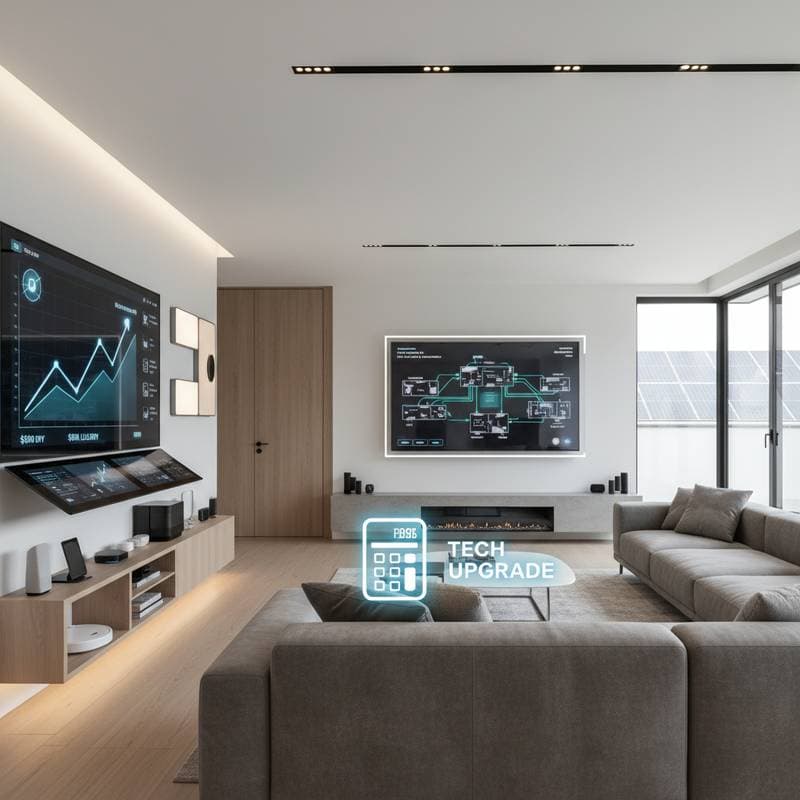
The Real 2026 Cost of Smart Home Integration
Imagine entering a home where lights adjust automatically to your presence, the thermostat optimizes for comfort and efficiency, and security systems monitor every entry point without effort. Such seamless integration transforms daily living, yet the financial commitment varies widely. Smart home setups in 2026 span from modest enhancements under $500 to comprehensive systems exceeding $50,000, influenced by device selection, installation complexity, and long-term maintenance. This guide details the spectrum of options, helping you allocate resources effectively for maximum benefit.
Budget Ranges and What You Get at Each Level
Entry Level: Under $1,000
Beginners often start with essential devices that introduce automation without overwhelming expense. Consider installing smart bulbs in living areas, a programmable thermostat for energy control, and a basic indoor camera for monitoring. These additions provide immediate convenience, such as remote light control or temperature adjustments via a smartphone app.
Cost breakdown:
- Smart bulbs: $10 to $30 each, with packs of four offering bulk savings.
- Smart plugs: $15 to $40 each, enabling control of appliances like lamps or fans.
- Smart thermostat: $100 to $250, featuring learning algorithms that adapt to routines.
- Smart speaker or hub: $50 to $200, serving as the central command interface.
A complete entry-level setup totals around $500 when you handle installation personally. Devices from the same ecosystem integrate better, though some app switching may occur initially. Focus on high-traffic areas to experience quick wins in usability.
Mid-Range: $1,000 to $5,000
At this stage, automation extends across multiple rooms, creating a cohesive environment. Upgrade to smart lighting in bedrooms and kitchens, add door locks for secure access, and incorporate outdoor cameras for perimeter surveillance. Multi-room audio systems allow music to follow you throughout the house.
Typical upgrades include:
- Smart switches and dimmers in primary living spaces, wired for reliable performance.
- Smart locks and garage door openers, with keyless entry via biometrics or codes.
- Video doorbells and motion-activated cameras, providing real-time alerts.
- Smart irrigation controllers, adjusting watering based on weather data.
- Voice assistants in several rooms, enabling hands-free operation.
Professional assistance proves valuable for tasks like electrical wiring or network optimization, adding $500 to $1,000 to the total. This investment yields enhanced security and efficiency, often recouping costs through reduced energy bills within a few years.
High-End Integration: $5,000 to $50,000+
Luxury setups deliver a bespoke experience, with every element synchronized for effortless control. Centralized panels manage climate, lighting, and entertainment from one interface, while automated shades respond to sunlight patterns. Integrated home theaters and advanced surveillance blend technology with aesthetics.
Key cost factors:
- Custom software programming to unify disparate systems.
- Concealed wiring and professional mounting for a clean installation.
- High-fidelity audio distribution throughout the property.
- Comprehensive security with AI-driven threat detection and 24/7 monitoring.
Labor dominates expenses here, comprising 30 to 40 percent of the budget due to specialized expertise required. Such systems not only elevate daily comfort but also boost property value by up to 5 percent, appealing to discerning buyers in competitive markets.
Hidden Costs Beyond Initial Purchase
Initial device prices represent only part of the equation; ongoing expenses ensure sustained performance. Security cameras often demand cloud storage subscriptions at $10 to $30 monthly for video archiving and remote access. Similarly, premium monitoring services provide professional response to alerts.
Robust Wi-Fi underpins all operations, necessitating mesh networks or upgraded routers costing $200 to $600 to eliminate dead zones. Annual maintenance, including device replacements for wear or obsolescence, averages $100 to $200. While smart tech generally reduces energy consumption through scheduling, standby power draw adds a negligible but cumulative cost to utility statements.
Safeguarding Your Connected Home
Each smart device connects to your network, amplifying the need for vigilant security measures. Implement unique, complex passwords for every component to prevent unauthorized access. Regular firmware updates address emerging vulnerabilities, maintaining system integrity.
Enable two-factor authentication on hubs and apps for an additional layer of protection. Isolate smart devices on a separate Wi-Fi network to shield personal devices from potential breaches. Modern protocols incorporate end-to-end encryption, minimizing hacking risks when configured properly. Approach setup methodically, prioritizing privacy settings from the outset.
Strategies for Effective Implementation
- Establish a solid foundation. Secure a high-performance router or mesh system capable of supporting dozens of devices before expanding your setup.
- Select a unified ecosystem. Commit to one platform, such as Google Assistant, Amazon Alexa, or Apple HomeKit, to ensure seamless interoperability and simplify control.
- Plan by functional zones. Assess room-specific needs, like automated lighting in entertainment areas or sensors in entryways, to avoid redundant purchases.
- Organize device management. Assign descriptive names in your control app, such as "Living Room Overhead Lights," for intuitive navigation.
- Refine interactions upfront. Experiment with voice commands during initial setup to customize responses and eliminate misinterpretations.
Sustaining Long-Term Performance
Reliability demands routine care to prevent disruptions. Schedule quarterly checks for software updates, which enhance features and security. Dust sensors and lenses on cameras to maintain accuracy, and swap batteries in battery-powered units like locks every six months.
Address connectivity issues promptly by restarting the router and verifying signal strength. Document your configuration details in a secure note for troubleshooting. Consistent upkeep preserves the system's efficiency, ensuring it evolves with your needs over time.
Realizing the Value of Your Smart Home
A well-integrated smart home delivers tangible returns through energy savings of up to 20 percent, heightened security, and streamlined routines. Strategic choices align technology with lifestyle, turning a house into an intuitive sanctuary. By weighing options against your priorities, you secure not just convenience but enduring enhancement to home life.