
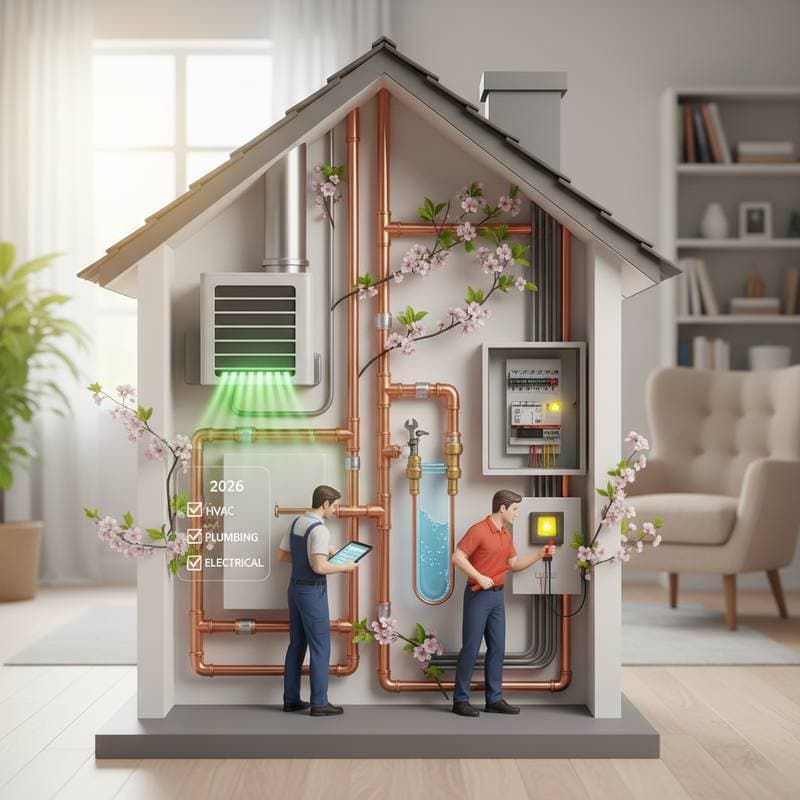
Introduction to Spring Home Maintenance
As warmer weather approaches, homeowners often focus on outdoor tasks, yet the interior systems that keep living spaces comfortable deserve equal attention. HVAC units, plumbing lines, and electrical wiring endure heavy use during summer months, making spring an ideal time for preventive checks. Addressing potential issues now prevents disruptions later, ensures energy efficiency, and extends the lifespan of these critical components.
Regular maintenance not only reduces the risk of sudden failures but also aligns with best practices for home care. Professionals recommend scheduling inspections annually, with spring providing a natural transition period before peak seasonal demands. By investing time and effort early, you safeguard your home against common summer pitfalls.
Understanding Key Home Systems
Home systems operate interdependently, each contributing to daily comfort and safety. The HVAC system regulates temperature and air quality, plumbing delivers essential water services, and electrical infrastructure powers appliances and lighting. Neglecting any one area can lead to cascading problems, such as a malfunctioning AC straining the electrical grid or clogged drains overwhelming the HVAC drain pan.
Foundational knowledge of these systems empowers homeowners to perform basic assessments. For instance, HVAC encompasses heating, ventilation, and air conditioning components, while plumbing includes pipes, fixtures, and drainage. Electrical systems involve wiring, outlets, and circuit breakers. Recognizing signs of wear in these areas allows for timely intervention.
HVAC System Inspections and Maintenance
The HVAC system faces intense summer workloads, circulating cool air through homes under high temperatures. Begin inspections by examining the outdoor condenser unit for debris accumulation, such as leaves or dirt, which can obstruct airflow and reduce efficiency. Clear the area around the unit to maintain at least two feet of clearance on all sides.
Inside, check air filters monthly during spring preparation; dirty filters restrict airflow and force the system to work harder, increasing energy use. Replace standard filters every one to three months, opting for higher-efficiency models if allergies are a concern. Inspect ductwork for visible damage or dust buildup, as leaks can cause uneven cooling and higher bills.
Test the thermostat functionality by adjusting settings and ensuring the system responds promptly. For comprehensive care, schedule a professional tune-up, which includes refrigerant level checks and coil cleaning. These steps can improve efficiency by up to 20 percent, according to industry standards.
Addressing Common HVAC Issues
Uneven cooling often stems from blocked vents or soiled filters. Remove furniture or rugs from vent areas and vacuum registers to restore proper air distribution. If the issue persists, a professional may need to balance the duct system.
A musty odor from vents signals potential mold growth in ducts or the evaporator drain pan. Clean accessible areas with a mild solution and consider professional duct sanitization to eliminate contaminants. These actions enhance indoor air quality and prevent health risks.
Plumbing System Checks and Repairs
Plumbing systems handle water supply and waste removal, both of which see increased usage in summer for irrigation and cooling. Start by inspecting visible pipes for leaks, corrosion, or insulation wear, particularly in basements or crawl spaces. Tighten connections and replace deteriorated seals to prevent water loss.
Examine faucets and fixtures for drips, which indicate worn washers or cartridges. For a standard compression faucet, disassemble the handle, replace the rubber washer, and reassemble carefully to stop leaks. In showerheads or aerators, mineral buildup from hard water can reduce flow; soak in vinegar overnight to dissolve deposits.
Flush the water heater annually to remove sediment that accumulates at the bottom, which insulates the tank and reduces heating efficiency. Drain a few gallons from the valve and refill to clear debris. For whole-home systems, test the sump pump if your area experiences heavy rains, ensuring it activates without delay.
Tackling Typical Plumbing Problems
Slow drains may result from grease or hair accumulation. Use a plunger for minor clogs, or apply a drain snake for deeper blockages, turning it clockwise to break up material. Avoid chemical cleaners that can damage pipes; natural alternatives like baking soda and vinegar often suffice.
Low water pressure could indicate partially closed shut-off valves or pipe corrosion. Open valves fully and inspect for kinks in supply lines. Persistent issues warrant a plumber's assessment for hidden restrictions.
Electrical System Evaluations and Safety Measures
Electrical systems power modern living, but overloads during summer from air conditioners and fans heighten risks. Conduct a visual inspection of outlets, switches, and cords for fraying or scorch marks, which signal potential fire hazards. Replace any damaged components immediately.
Check the circuit breaker panel for tripped breakers or signs of overheating, such as warm panels. Reset breakers firmly if needed, but if they trip repeatedly, an electrician should investigate underlying causes like faulty wiring. Install or test ground fault circuit interrupter (GFCI) outlets in wet areas, such as kitchens and bathrooms, by pressing the test and reset buttons.
Assess lighting fixtures for flickering, often caused by loose bulbs or connections. Tighten bulbs securely and, if the problem continues, turn off power and inspect wiring for security. Consider upgrading to LED bulbs for energy savings and reduced heat output.
Resolving Frequent Electrical Concerns
Flickering lights may arise from loose connections or circuit overloads. Unplug non-essential devices to balance the load, and tighten terminal screws in fixtures if comfortable doing so. For safety, consult an electrician for any internal wiring adjustments.
Outlets that feel warm or spark indicate overload or poor connections. Cease use immediately and have a professional evaluate the circuit. Installing arc-fault circuit interrupters (AFCIs) in bedrooms and living areas provides additional protection against electrical fires.
Integrating Checks with a Seasonal Schedule
To streamline maintenance, create a spring checklist that covers all systems in sequence. Week one focuses on HVAC: clean filters, clear outdoor units, and test thermostats. Week two addresses plumbing: inspect pipes, fix leaks, and flush the water heater. Dedicate week three to electrical: check breakers, test outlets, and secure wiring.
Incorporate the following troubleshooting table for quick reference during inspections:
| Problem | Possible Cause | Recommended Action |
|---|---|---|
| Uneven cooling in rooms | Blocked vents or dirty filters | Clean vents and replace filters |
| Dripping faucet | Worn washer or cartridge | Replace internal parts or hire plumber |
| Flickering lights | Loose connection or overloaded circuit | Inspect for tightness or call electrician |
| Musty smell from vents | Mold in ducts or drain pan | Clean ducts and treat with antimicrobial solution |
This structured approach ensures nothing is overlooked, turning preparation into a manageable routine.
Long-Term Benefits of Proactive Maintenance
Investing in spring checks yields substantial returns beyond immediate repairs. Efficient systems lower utility costs, with optimized HVAC alone potentially saving hundreds annually on cooling bills. Enhanced safety reduces the likelihood of emergencies, providing reassurance during family gatherings or vacations.
Well-maintained homes retain higher property values, as buyers prioritize updated infrastructure. Over time, these habits foster a culture of care, minimizing wear and extending system longevity. By prioritizing prevention, you build a resilient home equipped for seasonal changes and unexpected challenges.